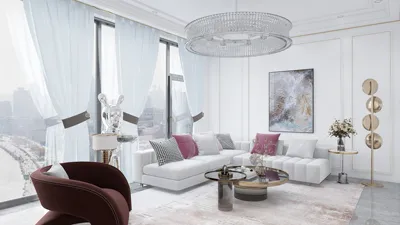


Purple hues—spanning from delicate lilac to rich aubergine—infuse a setting with either understated elegance or striking drama, particularly when harmonized with lighting, texture, and proportion. In my designs, I utilize purple to enhance focal walls, soften edges with fabrics, and elevate spaces with serenity or inventiveness, depending on the selected shade and finish. Incorporating tools like Homestyler helps visualize these effects perfectly.
Start with Intention and Proven Results
Color selection should enhance behavior and well-being beyond mere aesthetics. Studies reveal the tangible impacts of well-curated palettes: Steelcase's workplace investigations indicate that thoughtfully designed environments can minimize distractions and boost productivity by balancing visual complexity with soothing color choices. The WELL v2 framework further underscores the importance of visual comfort and glare management as part of its Light concept, suggesting that appropriate light intensity and color integrity can significantly affect occupants' experiences. In residential settings, these concepts translate into multi-layer lighting and glare-free surfaces, allowing purple tones to appear rich rather than overwhelming.
Utilize Data for Lighting and Contrast Adjustments
While deep purples tend to absorb light, lighter lilacs reflect it. To achieve visual comfort in purple-themed rooms, it's crucial to correspond the depth of color with lighting intensity. The Illuminating Engineering Society recommends approximately 300–500 lux for living rooms and similar spaces; opting for higher levels with darker shades helps prevent fatigue. For optimal color rendering according to WELL v2 recommendations, selecting high CRI lamps (90+) is vital to showcase the nuanced variations within purple shades. I often pair matte aubergine walls with a variety of lighting options—ambient ceiling washes, adjustable floor lamps, and warm 2700–3000K table lamps—to cultivate a cozy atmosphere while maintaining color clarity.
Selecting Your Perfect Purple: Hue, Chroma, and Finish
- Pale lilac: Light and reflective, perfect for compact spaces or rooms with limited sunlight. It pairs beautifully with warm wood tones and sandy shades to avoid a chill effect.
- Lavender gray: A sophisticated choice for bedrooms and home offices, particularly when accented with brushed nickel or matte black decor.
- Orchid and amethyst: Vibrant accents suitable for creative spaces or dining areas. Use sparingly on textiles or an accent wall for a striking effect.
- Aubergine and plum: Luxurious and moody options ideal for libraries and lounges. These colors should be counterbalanced with lighter ceilings, off-white trim, and soft-gloss finishes to avoid visual heaviness.
Layer Materials for Richness and Warmth
The various shades of purple come alive through texture. I blend velvet furniture, cozy bouclé throws, and airy linen curtains to interact with light in interesting ways throughout the day. Using materials like walnut, oak, and rift-cut ash can infuse warmth that stabilizes cooler purple tones. Brass and antique gold elements add a touch of shimmer against matte plum walls, while powder-coated black accents provide a crisp contrast with lilac-gray. It's essential to focus on sustainability; therefore, I opt for low-VOC paints and FSC-certified timber to ensure quality air indoors and durability of finishes.
Achieve Proportional Harmony: Walls, Ceilings, and Trim
When employing vivid purple shades, it's crucial to keep ceilings light (warm white or pale greige) to create an uplifting feeling in the space. Regularly, I extend a mid-tone violet up to the picture rail and finish the upper portion in a lighter neutral to ease the visual weight. Using soft white or bone-colored trim helps define spaces clearly, preventing the purple from visually spilling into door frames. In environments with limited natural light, it's advisable to restrict deeper purples to accent walls or paneling, using artwork and cushions to echo the hue and create visual continuity without being overpowering.
Lighting Approach: Managing Color Temperature and Glare
Warm white lamps (2700–3000K) are ideal for enhancing most purple hues, allowing them to appear rich. For multi-functional rooms, incorporating a layer around 3500K on dimmers can provide illumination for tasks without washing out colors. Utilizing diffusers, fabric lampshades, or wall-mounted washers can effectively minimize glare; high-gloss purple paints may create hotspots, hence I prefer eggshell or matte finishes in high-impact areas. It's important to achieve the desired lighting level—about 300–500 lux for living zones—while ensuring contrast: darker walls, lighter ceilings, and mid-tone floors for visual equilibrium.
Furniture and Ergonomics: Merging Comfort and Color
Color choices should not come at the cost of ergonomic comfort. The research from Steelcase links supportive setups with enhanced focus; therefore, I prioritize seating with lumbar support and use purple as an accent—through cushions, piping, or poufs—while keeping primary furniture in neutral tones for longevity. In bedrooms, it's vital to ensure accessible reach ranges and unobstructed pathways; a violet bed frame can make a bold statement, but attention must be given to mattress height and bedside lighting placement (like switches at seated shoulder height and glare-free, dimmable task lights).
Textiles and Patterns: Use Tone-on-Tone and Contrast
Creating a gentle gradient with small variations in saturation is essential for adding depth—think lavender sheers, lilac area rugs, and a plum accent chair. Introduce contrast with patterned textiles that incorporate warm neutrals and subtle designs (such as herringbone or mini-checks) to avoid overwhelming visual clutter. Pairing purple with complementary greens like sage, olive, or eucalyptus can inject freshness into dining areas. In smaller spaces, utilize stripes or vertical patterns subtly to enhance the perception of height.
Artwork, Accessories, and Styling Choices
Art can bridge the gap between purple and the remaining color scheme. Abstract pieces that blend lilac, sienna, and charcoal can anchor a plum wall beautifully. Keeping metallic finishes consistent helps prevent a chaotic appearance—it's best to limit to two different finishes. Incorporating natural elements such as branches, ceramics, and stone can soften vibrant pieces. I generally follow a 60/30/10 rule for styling shelves: 60% neutral books and objects, 30% purple-toned items, and 10% metallic highlights for harmony.
Kitchen and Bath: Manage Saturation Effectively
In kitchens, using violet islands or aubergine cabinetry against oak floors and cream-colored upper units adds a touch of sophistication. It's essential to maintain task lighting—under-cabinet lights should achieve approximately 300–500 lux—to ensure prep areas are safe and color-accurate. In bathrooms, lilac tiles couple nicely with matte black fixtures; make certain that CRI is adequate and color temperature transitions from warm to neutral to avoid distorting skin tones. Glazed tiles reflect light well; pairing with matte-finish walls can help mitigate glare.
Living Room Arrangements: Flow and Focus
Establish the space's focal point with a singular purple feature—such as an accent wall behind the sofa or a plum-colored sectional—while lightly sprinkling the hue around the room for cohesion. Ensure clear pathways of 900–1000 mm and maintain sightlines to windows. To plan alternative seating arrangements and visual anchor points, utilizing a room layout tool can effectively simulate how various purple accents influence overall balance and spatial flow.
room layout tool
Creating a Peaceful Bedroom Atmosphere
Soft lilac, violet-gray, and warm whites form a restorative environment. Using blackout curtains paired with layered sheers can help modulate morning light effectively. Dim-to-warm lamps are excellent for facilitating relaxing routines; keeping intense purple shades off the ceiling helps maintain tranquility. Integrate aubergine through cushioned headboards or benches, complemented by textured bedding to add interest without appearing flat.
Home Office: Enhance Focus with Subtle Energy
Choose lavender-gray walls alongside a walnut desk to promote focus without inducing dullness. High-CRI task lighting helps prevent any color distortion on screens or writing surfaces. Use purple sparingly on desk accessories or select an accent chair to invigorate the area without creating distractions. Prioritize ergonomic design—keeping monitors at eye level and wrists in a neutral position—while managing reflectivity to avoid glare on glossy purple surfaces.
Entryways and Hallways: Meaningful Transitions
These transitional spaces benefit immensely from confident use of color. A plum console table against light-colored walls sets an inviting tone without being overly bold. Ensure adequate light levels for safety and use muted lilac runner rugs to create visual connections between areas. If your ceilings are low, it's advisable to restrict the intensity of color to the lower third of the walls while painting the upper sections in lighter shades for an airy effect.
Combining Color Palettes with Purple
- Neutrals: Warm whites, greige, oatmeal, and stone gray create understated elegance.
- Woods: Utilize walnut, oak, ash, and smoked eucalyptus to provide grounding warmth.
- Metals: Soft gold, antique brass, and matte black serve as effective contrasts.
- Accents: Incorporate sage, deep green, sienna, terracotta, and indigo for added depth without clashing.
Maintaining Longevity and Ease of Care
Opt for washable matte or eggshell finishes in high-traffic areas. Protect upholstery with fiber-guard applications and rotate cushions regularly to ensure even wear. Purples with gray undertones tend to show less dust compared to brighter shades. Always keep a labeled touch-up jar of paint handy for maintaining color consistency.
Referential Resources for Visual Comfort and Well-Being
For in-depth insights regarding lighting and well-being, look into established guidelines and cutting-edge research:
IES lighting recommendations
Frequently Asked Questions
Are pale lilac or lavender-gray better for reflecting light compared to darker plum? Pairing them with warm whites and high-CRI lamps can help to avoid dull visuals.
How do I limit the overpowering impact of saturated purple? Designate it for a feature wall or lower sections, keep ceiling and trim light, and employ layered lighting strategies aiming for 400–500 lux.
What color temperature is optimal for living spaces? Use 2700–3000K for inviting areas; consider adding a 3500K light layer using dimmers for task visibility without dulling the hues.
Can subtle lavender-gray help reduce visual clutter while infusing gentle energy? Yes, while also maintaining an ergonomic setup along with high-CRI task lighting.
What materials add warmth to cooler purple shades? Choices like walnut and oak wood, along with textured fabrics such as velvet and bouclé, enhance depth.
What finishes are preferable for durability and glare control? Select matte or eggshell options; utilize diffused lighting such as fabric shades or wall washers to create an inviting atmosphere.
Can I effectively use purple in kitchens or bathrooms? Yes, utilizing controlled saturations, especially on islands or vanities, balances well with neutral cabinetry while ensuring adequate task lighting of 300–500 lux is in place.
Which colors match well with purple? Sage, olive, terracotta, sienna, and indigo work harmoniously. Limit metal accents to two finishes for better cohesion.
What are the best methods to incorporate purple tones? Consider textiles—curtains, rugs, cushions—and removable wallpaper or art pieces featuring purple elements.
What finishes offer both durability and glare management? Opt for washable matte or eggshell for resilience, with semi-gloss reserved for trim to prevent scuffing.

Modern Purple Velvet Metal Frame Chaise Lounge 3D Model

Modern Burgundy Fabric Upholstered 4 Seat Sofa with Decorative Throw Pillows 3D Model

Modern Purple Fabric Boucle Loveseat Sofa 3D Model
Discover your inner designer with Homestyler! This user-friendly online platform offers a dynamic design tool, stunning 3D renderings, and a treasure trove of design projects and DIY video tutorials. Whether you’re a novice or a pro, bringing your home design dreams to life has never been easier!
Diseño ahora GRATIS
































