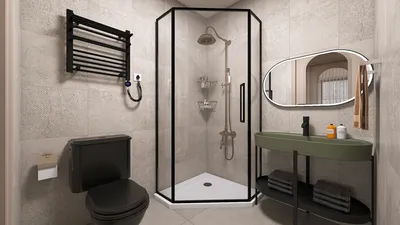


Green exhibits a unique flexibility in interior design; it can evoke feelings of tranquility, rejuvenation, or elegance, influenced by its shade, texture, and illumination. In my design endeavors, I often find green acts as a harmonious connection between biophilic tranquility and modern sophistication, particularly when tailored to both natural light and specific tasks.
Understanding the Foundation: Insights from Research
Colors impact our emotions and actions. According to Verywell Mind's overview of color psychology, green is frequently linked to calmness, equilibrium, and growth, which corresponds to how individuals report feeling in environments inspired by nature. The WELL v2 framework underscores the importance of biophilic techniques and visual comfort; areas that incorporate natural tones alongside adequate lighting are known to enhance wellbeing. Typically, I recommend using softer green walls combined with 3000–3500K ambient lighting to maintain the warmth of the color while avoiding a cold ambiance, and supplementing with 4000K focused lighting for clarity.
Control of daylight and brightness is crucial. The Illuminating Engineering Society (IES) advocates for standard ambient lighting levels in residential living spaces to be around 100–300 lux, with greater levels required for activities such as reading. Green surfaces can appear dull under insufficient lighting; therefore, a well-thought-out strategy incorporating layered ambient, task, and accent lighting is essential to maintain color integrity while ensuring visual comfort. For precise tasks, I typically strive for a light intensity of 300–500 lux at the work plane and utilize glare-reducing fixtures to minimize reflections on semi-matte green finishes.
Selecting the Optimal Shade of Green: Tone, Temperature, and Context
• Soft sage and eucalyptus: ideal for bedrooms and living rooms; these hues soften visual distractions and create harmony in transitional areas.
• Medium olive and moss: contribute sophistication in dining rooms or studies; they complement materials such as brass, walnut, and linen exceptionally well.
• Bright mint and pistachio: invigorate smaller kitchens and bathrooms, especially when paired with white tile or terrazzo; they add a playful clarity without overwhelming the space.
• Deep forest and bottle green: establish a striking contrast in libraries or accent walls; ensure to balance them with lighter ceilings and sufficient task lighting to prevent excessive absorption of light.
The warmth of lighting also shapes how green appears. Warm light (2700–3000K) enhances earthy green tones, while neutral to cool lighting (3500–4000K) sharpens mint and emerald colors. In north-facing rooms receiving cool daylight, I prefer to use warmer greens; conversely, in south-facing areas, slightly muted greens can help avoid visual over-saturation.
Human Considerations: Comfort, Task Clarity, and Visual Harmony
Green aids in calming visual distractions, thereby lessening cognitive overload. This aspect is particularly significant in multifunctional spaces where individuals transition between relaxation and concentration. I maintain a consistent mid-tone palette at eye level and introduce contrast through various textures (such as ribbed upholstery, woven rugs, and matte-metal fixtures). Creating a visual rhythm by alternating solid colors and natural materials helps define different zones, easing navigation within the space.
Light Management: Lux Levels, Glare Mitigation, and Layering
• Ambient: 150–300 lux in lounge areas ensures greens remain soft and welcoming.
• Task: 300–500 lux on desks and counters; employing shielded optics and high CRI (>90) preserves the authenticity of the color.
• Accent: 200–400 lux with narrow beams to add dimension to plants, artwork, or textured walls while avoiding color washout.
Glare can distort both color perception and comfort. Opt for matte or eggshell finishes on expansive green walls, adjust beam angles to circumvent reflective hotspots, and consider utilizing indirect lighting methods where ceilings can gently bounce light back into the space.
Material Combinations: Texture Feeds the Hue
• Woods: walnut pairs excellently with olive or forest green; white oak complements sage or mint.
• Metals: aged brass adds warmth to darker greens; brushed nickel enhances lighter shades.
• Stones: honed marble or terrazzo offer a cool contrast; it's advisable to avoid highly reflective stones if glare is a concern.
• Fabrics: materials like bouclé and wool contribute tactile richness; linen and cotton help to soften visual density.
Strategic Layout: Anchoring, Sightlines, and Equilibrium
Begin with an anchor, such as an accent wall, cabinetry band, or substantial area rug, then align sightlines so that green fields draw the eye towards openings or artistic elements instead of into corners. This approach prevents visual weight from accumulating. When arranging furniture, balance green selections with neutral elements (such as ceilings and large sofas) to maintain a comfortable proportion. If you're exploring room designs, utilizing a layout simulation tool like the room layout tool can help visualize color distribution and flow before making final decisions.
Behavioral Trends: Focus versus Restoration
Mid-tone greens in studies minimize visual clutter around monitors and books, fostering prolonged focus. In living spaces, combining green with layered warm lighting assists in winding down during the evening. Kitchens will benefit from lighter greens that reflect light effectively, avoiding the harshness associated with high-gloss whites. In children's play areas, mint paired with natural wood and soft acoustics sustains energetic yet manageable atmospheres.
Acoustic Harmony: Shaping the Atmosphere
While color influences mood, acoustics complete the experience. Incorporating soft furnishings, wall panels, and rugs in green fabrics can reduce sound reverberation, enhancing conversation clarity—especially vital in open living spaces. I aim for a reverberation time of around 0.4–0.6 seconds for living areas; this precise value is contingent on volume and surface types. Utilizing matte paint, textured textiles, and deep green bookshelves adds both visual and auditory warmth.
Sustainability: Low-VOC, Durable Finishes, and Longevity
Opt for low-VOC paints to foster healthier indoor air quality. Durable, easy-to-clean finishes (such as eggshell or matte scrubbable) enhance longevity and reduce upkeep. When selecting fabrics, prefer natural fibers and recycled polyester; green palettes seamlessly pair with these materials and mature gracefully over time.
Compact Living Strategies
• Opt for light greens on principal surfaces; employ darker greens as limited accents.
• Keep ceilings bright; utilize vertical textures to elevate sightlines.
• Position mirrors opposite windows to amplify natural light and preserve color vibrancy.
• Thin-profile lighting and wall-mounted storage solutions help to avert cluttering.
Kitchen and Bath: Fresh, Inviting, and Functional
Using mint and eucalyptus tiles instills a sense of freshness without the sterility often associated with pure white spaces. Pair these with warm metallics and high-CRI lighting over counters. In bathrooms, balance cooler greens with wooden or stony elements to avoid an overly clinical atmosphere, ensuring ample task lighting around mirrors with vertical sconces to minimize shadows.
Living Rooms: Layered Serenity
Sage-hued walls, walnut furniture, and brass accents create a relaxed, timeless ambiance. Incorporate a singular deep-green piece—either an armchair or cabinet—for added depth. Ensure that ambient lighting is adjustable; variations from 150 to 300 lux allow the room to switch between tranquil evenings and lively gatherings.
Bedrooms: Restorative by Nature
Lighter greens on headboard walls soften visual impressions. Choose blackout shades paired with warm bedside lamps (2700–3000K) to support circadian rhythms. Textured throws and matte finishes lessen visual stimulation before bedtime.
Home Offices: Crisp and Balanced Environment
Olive or soft fern hues behind a monitor reduce glare and provide a non-distracting backdrop for video meetings. Aim for neutral-white task lighting (3500–4000K), high CRI, and efficient diffusion. Maintain shelving and pinboards in neutral tones, allowing green to emerge as the primary organizing color.
Common Pitfalls to Avoid
• Excessive dark green saturation without introducing light elements.
• Combinations of greens with inconsistent color temperatures of lighting.
• High-gloss finishes on large expanses resulting in reflections and color distortion.
• Overlooking layout and sightlines, leading to visual congestion at key circulation points.
FAQs
Soft, warm greens, such as sage or eucalyptus, remain vibrant in lower ambient light conditions. Pair them with 3000–3500K lighting and maintain ambient levels around 150–250 lux to ensure the color doesn't appear dull or lifeless.
Utilize matte or eggshell finishes, indirect lighting solutions, and shields on fixtures. Keep beam angles angled away from glossy surfaces and choose high-CRI bulbs to maintain color accuracy.
Mid-tone greens diminish visual clutter and provide a neutral background for screens. Combined with 3500–4000K task lighting at 300–500 lux, they create a comfortable environment for reading and typing.
Materials like walnut, aged brass, linen, and off-white enhance warmth, while charcoal or black can introduce sleek contrast. Lighter ceilings help in avoiding a constricted feeling within the space.
This is possible, as long as you balance it with warm metallics and layered light sources. Warm under-cabinet lighting along with wood accents can bring mint to life without sacrificing its freshness.
Absolutely—incorporate lighter greens with matte or honed textures to reduce glare. Vertical sconces around mirrors enhance facial visibility while keeping the overall palette serene.
Initiate the design with one dominant green surface, then repeat the tone in smaller accents. Mix green with organic materials to create a dynamic rhythm instead of a monotone layout.
Scrubbable matte or low-sheen eggshell preserves color integrity and resists wear. Avoid using high gloss on expansive planes due to potential reflections.
Indeed. Warmer greens under dimmable 2700–3000K lighting foster evening routines while diminishing visual stimulation in comparison to stark whites.
Choose greens with a subtle warmth (like olive or sage) and balance them with 3000K ambient lighting. In cases of cooler daylight, colors can desaturate; warm lighting can revitalize color vibrancy.
Paint large samples and evaluate their appearance throughout the day under varied lighting conditions. If you’re also re-evaluating furniture arrangements, employing an interior layout planner like the Homestyler can show how colors interact with the flow of the space.
While the paint itself isn't a factor, green textiles and wall panels have the potential to reduce sound reverberations, thereby improving comfort in open-plan areas.
What began as an Autodesk innovation has evolved into a design platform used by more than 18 million people around the globe. Homestyler combines powerful rendering, an intuitive editor, and a vast furniture library to help you turn inspiration into photorealistic designs — whether you're redesigning a single room or planning an entire home.

Modern Emerald Green Velvet Sofa with Gold Legs and Throw Pillows 3D Model


Minimalist Dark Green Velvet Fabric Extra Large Sofa 3D Model

Modern Dark Green Velvet Tufted L-shaped Sectional Sofa 3D Model
Homestyler is an exceptional online home design platform that makes interior decorating effortless. With its user-friendly design tool, stunning 3D renderings, and a wealth of DIY video tutorials, you'll find inspiration and creativity at your fingertips—perfect for any home design project!
Дизайн сейчас бесплатно
































