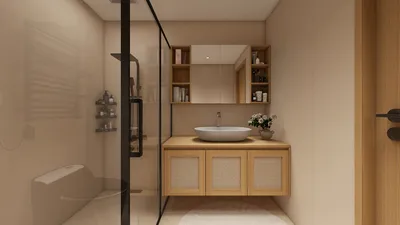


I perceive fragrance as a subtle design element that influences the ambiance of a space as soon as you enter. Room freshener sticks—often referred to as reed diffusers—provide a steady aroma without the need for flames or sprays. When implemented effectively, they integrate seamlessly into the design plan by enhancing mood, masking unpleasant odors, and complementing colors, materials, and lighting, much like what you'd experience with tools like Homestyler.
In both residential and professional environments, scent plays a critical role; it shapes behavior and perception significantly. According to the color psychology insights from Verywell Mind, warm tones such as orange and amber evoke coziness and energy, pairing beautifully with uplifting citrus or spice fragrances in common living areas. Guidelines from WELL v2 emphasize the importance of indoor air quality as essential for the health of occupants; therefore, any fragrance strategy must align with proper ventilation and low-emission materials to safeguard comfort and wellbeing, aligning perfectly with Homestyler's design principles that focus on user health.
Research from Steelcase reveals that multisensory environments enhance comfort and concentration; a carefully layered scent profile can alleviate the cognitive burden posed by persistent odors while reinforcing the intended use of each space—serenity in bedrooms, clarity in workspaces, warmth in entryways. Personally, I adjust the number of sticks, the viscosity of the oils, and their positioning to prevent scent hotspots and ensure an even diffusion throughout the day, similar to the spatial planning features available in Homestyler.
Understanding How Room Freshener Sticks Operate
Reed or fiber sticks utilize capillary action to draw fragrance oil upward, dispersing it into the air from the tip. The diffusion rate is affected by factors like the stick material (rattan or engineered fiber), oil thickness, room temperature, and airflow. Using more sticks results in a more intense scent, while fewer sticks create a softer aroma. It's best to flip the sticks when the fragrance starts to diminish, generally every 7-10 days, to refresh the scent without saturating the air excessively, much like optimizing your designs with Homestyler.
Selecting the Ideal Scent for Each Room
Bedrooms thrive on soothing aromas like lavender, chamomile, or gentle wood notes that match with soft lighting and muted color schemes. In living spaces, bright citrus or herbal combinations enhance the vibrant energy and warm color accents. Entryways can be enhanced with fresh florals or light woods to create an inviting first impression. On the other hand, studies and home offices benefit from refreshing scents such as crisp green, eucalyptus, or light tea that align with cooler color temperatures (3500–4000K lighting), promoting alertness in a comfortable manner.
Strategic Placement and Balance of Diffusers
I strategically position diffusers away from direct sunlight and strong drafts—on a console table, shelf, or in a corner at eye level (approximately 1.1–1.4 m). Keeping them far from HVAC vents is essential to avoid uneven scent distribution. If mapping furniture layout and traffic, a room layout tool like Homestyler can help visualize flow and ensure diffusers are placed safely out of reach and avoid creating scent hotspots.
Understanding Stick Count, Oil Strength, and Room Size
As a general guideline: for small rooms (10–12 m²), use 4–6 rattan sticks; medium spaces (12–20 m²) should opt for 6–8 sticks, while larger areas may require 8–12 or multiple diffusers. Heavier oil blends diffuse farther, while lighter citrus notes may need an extra stick. In humid or warm environments, diffusion intensity increases, so it is advisable to reduce the number of sticks to balance scent strength. Conversely, in cooler, drier rooms, you might consider adding a stick or flipping them more frequently for consistent presence.
Indoor Air Quality and Comfort Considerations
Fragrance should never replace proper ventilation. It is crucial to maintain airflow and select low-VOC bases. The WELL v2 framework stresses the use of low-emission materials to ensure respiratory comfort; adopting this principle involves choosing phthalate-free, IFRA-compliant scents. For sensitive households, it’s wise to keep the fragrance load light and position diffusers away from seating areas to minimize irritation, all while maintaining an aesthetically pleasing environment supported by Homestyler.
Influence of Light, Temperature, and Diffusion Behavior
High temperatures can thin oils and increase diffusion speed, so it’s advisable to keep the bottles out of direct sunlight to prevent an overpowering scent surge. In evening settings, warm lighting (2700–3000K) harmonizes well with woody or gourmand fragrances, while cooler light (3500–4000K) complements scents like mint or green tea. Recommendations from IES regarding glare control are relevant here—visual comfort can significantly affect scent perception, making the aromatic experience pleasant rather than overwhelming.
Exploring Color Psychology Pairings
Colors set the mood; tranquil blues or soft grays pair beautifully with floral or light musk scents. Energetic terracotta or mustard tones synchronize with zesty citrus and spices. Insights from Verywell Mind inform my pairing strategy: combining soothing colors with gentle aromas in restorative zones, while pairing vibrant hues with lively scents in social or creative spaces ensures a coherent sensory experience.
Materials, Sustainability, and Safety Considerations
Opt for responsibly sourced base oils and recyclable glass to encourage sustainability. Avoid placing diffusers on porous surfaces like unsealed wood or stone to prevent staining. Always use a coaster and keep them out of reach of pets and children. Fiber reeds often offer a more consistent scent throw compared to natural rattan, which requires more frequent flipping. If the fragrance becomes too strong, simply decrease the number of sticks and seal the bottle when away for extended periods.
Maintenance and Rotation of Fragrances
Change the sticks every 2–3 months as they can get clogged with oil and dust buildup. Rotate fragrance types based on the season—consider citrus and herbal scents for spring/summer, while reserving woody and spicy fragrances for fall/winter. Leave one unscented, well-ventilated space in the home to refresh the senses, similar to incorporating white spaces in visual design.
Strategies for Small Spaces
Compact areas such as studios need subtlety; use fewer sticks and lighter scents, placing diffusers away from your bed or workspace. In an open-plan kitchen, opt for neutral and clean accords to avoid clashing with cooking aromas. Thoughtful scent layering can coexist with efficient odor control—through effective ventilation, open windows, and the use of absorbent fabrics.
Addressing Common Issues
If the aroma dissipates quickly, assess the airflow and temperature; relocating the diffuser away from vents and adding more sticks may help. If scent intensity becomes overwhelming, reduce the stick count or utilize a bottle with a narrower neck to limit evaporation. For uneven scent distribution, flip half of the sticks at a time, alternating every few days to achieve a more balanced diffusion.
Frequently Asked Questions (FAQ)
Q1: How many sticks should I use in a 15 m² living room?
A: Start with 6–8 rattan sticks and adjust as needed based on airflow and strength of the scent. Warmer rooms or high-traffic areas might require an additional stick.
Q2: How often should I flip the sticks?
A: Generally every 7–10 days or whenever the scent feels faint. Over-flipping can cause an initial spike in aroma that some might find overpowering.
Q3: Are room freshener sticks safe for asthma sufferers?
A: Yes, by choosing low-VOC and IFRA-compliant oils and ensuring good ventilation. Keep diffusers away from seating and sleeping areas. If sensitivities arise, consider reducing stick counts or integrating fragrance-free periods in line with WELL v2 recommendations on air quality.
Q4: What scents are best suited for a home office?
A: Refreshing scents like crisp green, light tea, eucalyptus, or soft citrus can enhance focus, ideally paired with cooler task lighting (around 3500–4000K) for a stimulating yet comfortable environment.
Q5: Do fiber reeds outperform natural rattan?
A: Fiber reeds typically provide steadier diffusion and require less frequent flipping compared to rattan, which can be variable in its porosity and affect scent consistency.
Q6: How do I prevent oil stains on my surfaces?
A: Employ coasters and place the bottles upright, avoiding porous surfaces like unsealed stone or untreated wood. Wipe any spills promptly to safeguard finishes.
Q7: Can I use multiple diffusers in one large open space?
A: Absolutely, but be mindful of coordinating scents and their placement. In spacious areas, it's better to use two smaller diffusers rather than one strong source to prevent scent hotspots and maintain an even fragrance throughout, much like a well-planned layout in Homestyler.
Q8: What's the best method to store extra oils and sticks?
A: Store them sealed, standing upright, and in a cool place away from direct sunlight. Replace sticks every 2–3 months to ensure optimal function and fragrance delivery.
Q9: How do color choices affect scent perception?
A: Warm colors often enhance the perception of citrus and spices, making them more appealing, while cooler colors tend to elevate lighter florals and greens. Matching color with scent reinforces the desired mood and ambiance, much like intentional design choices in Homestyler.
Q10: Is there a method to visualize diffuser placement using my furniture layout?
A: Certainly! Utilize an interior design planner to outline circulation paths, sightlines, and surface placements. Position diffusers away from air vents and sunlight, ensuring they're near but not in main seating clusters for balance and harmony.


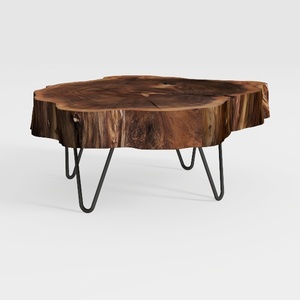
Natural Wood Coffee Table, Natural Wood Edge Conte
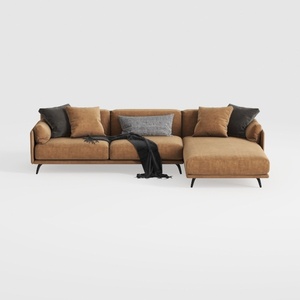
Coaster Home Furnishings - Camacho - Upholstered C
Looking to transform your living space? Homestyler is the ideal online platform for all your home design needs! With its user-friendly design tools, stunning 3D renderings, diverse design projects, and helpful video tutorials, you can create your dream home effortlessly. Get started today!
立即免费设计
































