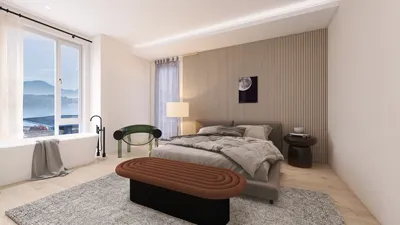


Hosting extraordinary events may appear spontaneous, yet they are the result of careful spatial arrangement. At OS Palace Function Hall, the transition from a satisfactory evening to an unforgettable one relies on the integration of seating arrangements, flow, lighting, sound, and materials. With over ten years in designing versatile venues, I have discovered that the key to a successful hall is aligning spatial design with the natural behaviors of attendees—how they arrive, orient themselves, socialize, dine, and celebrate.
Research consistently highlights how design influences guest satisfaction. According to Gensler’s workplace studies, environments featuring clear wayfinding and balanced spaces enhance perceived productivity and satisfaction—principles that are equally applicable to event flow and comfort (gensler.com/research). In terms of lighting, the Illuminating Engineering Society provides recommended brightness levels—for dining and social activities, ambient light generally falls between 100–300 lux, while accent lighting can elevate focal points to 300–500 lux for centerpieces or stages (ies.org/standards). WELL v2 also underscores the importance of glare management, color accuracy, and circadian support as factors contributing to guest comfort and well-being (wellcertified.com). These standards guide my approach to adjusting light levels, choosing optics, and programming dimming settings for OS Palace.
Defining Event Intent and Capacity
Every planning decision begins with intent. The spatial needs of a gala can significantly differ from those of a conference or wedding. Mapping guest pathways—arrival, registration, seating, sightlines to the stage, and the circulation of food and drink—becomes essential. Capacity isn’t just a number; it’s about ensuring a comfortable and safe environment. Banquet-style seating usually accommodates about 10–12 square feet per person, while theater seating often uses 6–8 square feet per person, and reception layouts typically need 12–15 square feet to prevent congestion. These ratios guide the configuration of tables, aisles, and service stations without compromising accessibility or efficiency. To visualize multiple scenarios, I utilize an interior layout planner, akin to a room design visualization tool, to accurately represent seating arrangements and aisle dimensions.
Core Layout Strategies for OS Palace
I organize the space into distinct zones, including a welcoming entry, main seating area, central performance space, service corridors, and adaptable social areas. Aisles must be clear and evenly spaced; I aim for primary aisles measuring 1.8–2.0 meters and secondary aisles at 1.2–1.5 meters, allowing for smooth two-way movement and service. Sightlines depend on stage height, typically 450–750 mm for medium-sized halls, along with the vertical space of decorative elements. For weddings, I often shift the aisle position to create a ceremonial rhythm; for conferences, seating is aligned towards the stage centerline, ensuring no seat is positioned beyond a 30–35° viewing angle from the center. Buffer areas near bars and buffets help alleviate crowding and noise issues.
Lighting that Serves Mood and Function
Lighting plays a crucial role in setting the atmosphere. Ambient light layers create comfort, task lighting facilitates activities (such as reading menus or speeches), and accent lighting adds drama. I establish ambient lighting at 100–200 lux prior to dinner, increase it to 200–300 lux during dining for optimal visibility, and then dim it to 70–120 lux for dancing, ensuring circulation paths are maintained above 50 lux for safety. Warmer tones (2700–3000K) enhance skin tones for social events, while cooler tones (3500–4000K) promote clarity during presentations. High CRI (90+) ensures accurate color representation for flowers, food, and branding elements. Managing glare is essential—using shielded optics, appropriate beam spreads, and tailored dimming scenes ensures guest comfort. WELL v2’s focus on visual comfort helps define glare limits and flicker control, which I apply in my fixture specifications and DMX programming.
Acoustic Comfort and Speech Intelligibility
Event spaces can quickly become noisy. The objective is to balance reverberation for musical richness while ensuring clarity for speech. I aim for a mid-frequency reverberation time (RT60) of 0.9–1.2 seconds for mixed-use events. Utilizing absorptive panels on side walls, upholstered seating, area rugs in social zones, and strategic draping can drastically alter the sound dynamics. Diffusion behind the stage helps eliminate acoustic hotspots and dead zones. Positioning subwoofers away from corners minimizes booming bass, and ensuring direct sightlines for DJ or AV setups allows for quick adjustments to feedback or sound levels. Effective HVAC systems with low noise criteria ratings help maintain an appropriate sound environment.
Human Factors: Circulation, Comfort, and Behavior
Individuals naturally prefer clear pathways and semi-private spaces. Entrances must be designed for easy navigation: where to check-in, hang coats, and access the main floor. I ensure circulation patterns are straightforward—avoiding backtracking to refreshment areas or restrooms. Comfortable seating arrangements are vital: maintaining 500–550 mm of clearance per chair, 900–1000 mm between table edges, and allowing for ample room for service staff to maneuver. Bar counters that stand at 1050–1100 mm with appropriate foot rails enhance social interactions without causing crowding. Locating gathering spaces along the venue's perimeter prevents congestion in central areas while preserving sightlines.
Color Psychology and Atmosphere
The psychology of color influences behavior. Warm, muted tones encourage conversation and lingering; cooler shades promote focus and clarity during presentations. Accent colors should align with event branding, but I keep saturation levels in check to prevent visual fatigue. Research illustrates that blues can induce calmness, reds can boost energy, and greens can promote rejuvenation; using well-balanced color schemes ensures guests remain attentive without feeling overstimulated (verywellmind.com/color-psychology). Practically, I coordinate lighting temperatures with color palettes to keep skin tones complementary while enhancing tablescapes.
Stagecraft, Visual Focal Points, and Brand Moments
The stage serves as a narrative centerpiece. It should be aligned with primary sightlines, free from column obstructions, and elevated for visibility from the back rows. Layered backdrops—textured curtains, branded panels, and dynamic lighting—add depth. Projection surfaces need a matte finish to minimize glare, with dimensions based on the furthest viewer distance (typically the viewing distance divided by six for minimum height). For weddings or galas, artistic centerpieces and focused lighting transform tables into engaging focal points; for conferences, minimize clutter on lecterns and ensure confidence monitors are visible for presenters.
Service Logistics and Back-of-House Planning
Exceptional service is contingent upon thoughtful design. I create clear service pathways behind seating areas, discreet prep zones for catering, and designated spots for glassware and trays near bars. Electrical and data cabling for audio-visual equipment must be strategically placed to avoid interference with pathways. Adequate storage for additional chairs, linens, and decor ensures swift transitions between event phases. For OS Palace, when quick transformations are necessary, utilizing a layout visualization tool simplifies the setup process to ensure efficiency in critical moments.
Material Selection and Sustainability
Selecting durable materials with an elegant touch is crucial for heavy usage. High-durability fabrics for seating, stain-resistant tabletops, and robust flooring minimize upkeep. Whenever possible, I opt for low-VOC materials and LED lighting to reduce ecological footprints. Authentic wood or high-quality laminates lend warmth, while acoustic panels can also enhance the venue’s aesthetic. Thoughtfully chosen materials contribute to a premium feel while remaining functional under the demands of event turnover.
Safety, Accessibility, and Codes
A commitment to accessibility enhances hospitality. Ensure compliance with slope gradients for ramps, maintain clear evacuation paths, and implement tactile guidance under low light conditions. Emergency lighting should operate independently of scene adjustments, and clearly marked signage aids swift evacuations. Balancing code compliance and human-centered design, I prioritize safe transitions, eliminating tripping hazards at entry points, and ensuring aisle markers are legible even in dim lighting.
Planning Tools and Iteration
Effective layouts are the result of continuous refinement. I conduct numerous simulations for seating arrangements and circulation patterns, evaluating bar and buffet placements while developing lighting scenes that correspond to event timelines. For collaborative teams, sharing designs through an interior layout planner streamlines approvals and facilitates coordination on the event day using a layout simulation tool.
FAQ
Utilize 10–12 square feet per person as a foundational measure. When incorporating a significant stage, dance area, or extensive buffets, account for an additional 10–15% of space to maintain circulation flow.
Target ambient lighting at 100–300 lux, accent lighting at 300–500 lux for highlighted areas, and ensure circulation paths remain above 50 lux. These levels align with IES recommendations for comfort and visibility.
For weddings, aim for 2700–3000K lighting to create warmth and enhance skin tones; during conferences, utilize 3500–4000K for clarity in presentations. Ensure CRI levels of 90+ for faithful color representation.
Aiming for RT60 of around 0.9–1.2 seconds is ideal. Combine absorption (e.g., panels, upholstery, drapes) with diffusion strategies near the stage. Avoid overusing carpets if musical brightness is a goal.
Design primary aisles to be 1.8–2.0 meters and secondary aisles to be 1.2–1.5 meters. Incorporate turning spots near bar areas and buffet stations to help prevent bottlenecks.
Recommended stage heights for medium venues are between 450–750 mm. For screens, ensure the minimum height corresponds to the maximum viewing distance divided by six. Sightline angles should remain within a 30–35° range from the center.
Incorporate compliant ramp gradients, clear pathways, tactile indicators, and unobtrusive signage. Utilize consistent, glare-controlled lighting to maintain ease of navigation during transition periods.
Select LED lighting with prolonged lifecycles, low-VOC finishes, and resilient fabrics to minimize maintenance and environmental impact. Choose acoustic panels that also serve a decorative purpose.
Position service stations along the perimeter while ensuring accessible queuing paths and short service routes. Provide landing spaces for glassware and stagger access points to distribute demand efficiently.
Employ a room layout tool to experiment with seating arrangements, aisle widths, and stage placements. Iterating in an interior layout planner enhances approval processes and streamlines day-of adjustments.
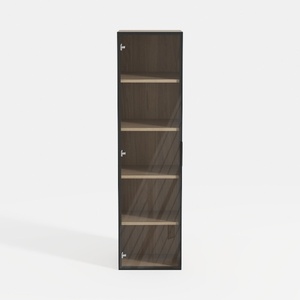
Modern Black Frame Solid Wood Open Shelf Tall Cabinet 3D Model
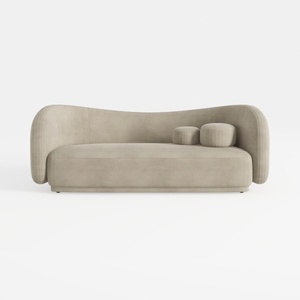
Minimalist Velvet Curved Living Room Sofa 3D Model
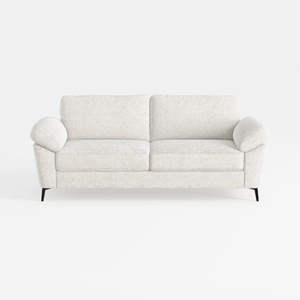
Minimalist Fabric Loveseat Sofa with Black Metal Legs 3D Model
Homestyler is your go-to online home design tool, perfect for transforming your ideas into reality. With stunning 3D rendering, a wealth of design projects, and informative DIY video tutorials, you'll find everything you need to create your dream space, regardless of your experience level.
Concevez maintenant gratuitement
































