


Extraordinary events are crafted with intention; they stem from exceptional space design, strategic lighting, and a focus on human-centric principles. At RK Palace Function Hall, I view each event—whether a personal celebration or a corporate meeting—as a meticulously designed atmosphere where guests can move effortlessly, interact organically, and feel comfortable from the moment they arrive until the last toast. The mission is straightforward: enhance comfort and visual appeal while maintaining practicality and seamlessness.
The relationship between comfort and performance is quantifiable. Research from Steelcase highlights that well-architected environments can enhance concentration and participation, leading to improved satisfaction and outcomes during events. Additionally, the WELL v2 standard emphasizes the importance of balanced lighting and control of glare to promote visual clarity and overall mood. At RK Palace, I strategically design different zones to align with these findings: functional lighting at check-in, warm ambient layers in dining spaces, and controlled glare lighting on stages to accentuate significant moments.
Clarity in layout influences attendee behavior. Studies by Herman Miller reveal that intuitively designed circulation paths and sightlines can alleviate cognitive stress, allowing guests to navigate easily and connect with one another. For intricate seating or diverse formats, I utilize an interior design visualization tool like Homestyler to simulate various layouts, testing factors like aisle widths, stage visibility, and service pathways. This ensures efficient guest flow, smooth service interactions, and allows hosts to focus on enhancing overall experiences rather than logistical concerns.
Effective Event Zoning
Successful events rely on well-defined zones: entry, orientation, activities, dining, social interactions, and behind-the-scenes operations. I determine the spatial allocation according to expected attendance and event purpose—approximately 20-25% for circulation, 40-50% dedicated to the main program, with the remainder designated for service and social areas. For weddings, this translates to a welcoming entrance featuring prominent signage, a clearly defined ceremony area with excellent sightlines, and dining arrangements conducive to conversation and photographs. For conferences, I prioritize space designed for stage visibility, sound management, and the comfort of presenters, while ensuring accessible networking and sponsor areas that don’t obstruct pathways.
Lighting: Creating Atmosphere and Memories
Lighting plays a crucial role in shaping the atmosphere of an event. According to IES guidelines, ambient light should remain stable with minimal glare, while accent lighting should direct focus to key areas. I combine 2700-3000K warm hues for dining and social spaces while employing cooler, brighter lighting (3500-4000K) for presentations to enhance readability. Dimming features create a smooth transition from cocktail settings to the evening program. Utilizing a layered lighting approach—comprising ambient, task, and accent—enables a seamless shift between ceremonies, speeches, and celebrations without abrupt changes.
Ensuring Acoustic Comfort for Speeches and Ceremonies
Auditory experiences are just as memorable as visual ones. Reflective surfaces can transform speeches into muddled sounds. I implement soft textiles, designed drapery, and tailored ceiling treatments to manage sound reverberation while retaining energy on the floor. Live performances are supported with isolated sound setups and monitored volume levels; speeches benefit from directional microphones and line-array setups calibrated to eliminate audio hotspots. Thoughtful acoustic planning helps mitigate fatigue and keeps discussions comfortable, particularly in larger gatherings.
Seating Arrangements and Human Interaction
Seating configurations significantly influence social dynamics. Round tables foster inclusive discussions, banquet setups cater to structured programs, while cocktail arrangements promote mobility and spontaneous networking. I maintain aisle widths of 1.5-2.0 meters to facilitate service and ensure exit routes are clear, expanding seating near the stage with gentle gradients while guaranteeing wheelchair accessibility exceeds standard widths and leads to prime viewing points. Table allocation allows for both standing and seated positions, optimizing service flows and minimizing collisions.
The Psychology of Color and Visual Harmony
Color extends beyond aesthetics; it affects behavior and emotions. Studies on color psychology indicate that warm shades encourage closeness and festivity, while cooler colors support clarity and concentration. For weddings, I utilize warm neutrals punctuated with vibrant accents; for corporate events, I prefer subdued, brand-consistent color palettes. Creating a visual rhythm—through consistent floral themes, lighting patterns, or table decorations—anchors memories and enhances coherence within the space, while contrasts ensure that vital program moments are visually distinguished.
Understanding Staging, Backstage Operations, and Traffic Flow
Effective back-of-house arrangements are critical yet often overlooked. Catering routes are planned to minimize guest intersections; equipment staging is strategically placed away from key photo lines for clarity. Greenrooms or preparation areas are conveniently situated near stage access points. AV setups are placed with clear visibility of the stage and direct access for quick adjustments. The objective is to create a smooth flow—when moments unfold effortlessly, it’s a testament to thorough preparation behind the scenes.
Selecting Materials with Sustainability in Mind
Choosing the right materials combines durability with elegance. High-traffic flooring must include slip-resistant finishes to ensure safety, while table linens with sound-absorbing properties help lessen noise. I advocate for reusable decorative components, energy-efficient LED lighting, and low-VOC materials to maintain air quality during extended events. Choosing furniture that can be easily reconfigured enhances longevity and minimizes waste, aligning with ethical hosting principles without sacrificing aesthetics.
Integrating Technology into Events
From registration to content sharing, technology can enhance or hinder an event's smoothness. My emphasis is on streamlined interactions: effective digital signage, well-distributed charging stations, and robust Wi-Fi with segmented networks for audio-visual teams. For hybrid events, I carefully map camera angles to audience areas, adjust lighting for optimal sensor performance, and ensure audio pickup is clear for both on-site and virtual participants.
Iterative Planning and Design Processes
No plan remains untouched when faced with reality. I initiate the process with a detailed program overview, develop a zoning schematic, and then stress-test the layout using a tool like Homestyler. We traverse entry points, assess sightlines, and model timing for seating, service, and stage transitions. This meticulous approach—supported by data from workplace and lighting research—ensures that RK Palace Function Hall remains adaptable for various events such as weddings, galas, product launches, and annual meetings.
Frequently Asked Questions
I design the main hall to accommodate various arrangements. Banquet seating works best for 200–450 guests, theater arrangements can accommodate more, dependent on stage size and aisle planning, while cocktail receptions can handle larger crowds thanks to standing zones.
Weddings benefit from warmer ambient lighting (2700–3000K) paired with accent layers for floral displays and focal tables; conferences require brighter, cooler hues (3500–4000K) to enhance readability and controlled glare on stages, ensuring clear visibility of screens.
I combine soft acoustic elements with focused speaker arrangements and segmented audio zones. Live music setups have defined limits and placements away from reflective materials; speeches utilize directional microphones with tuned equalizers to ensure clarity without excessive volume.
I certainly do. I conduct multiple layout simulations—rounds for receptions, theater-style configurations for keynote addresses, and cocktail layouts for networking opportunities—and harmonize zones with sufficient aisle space. Homestyler aids in verifying capacity, service routes, and visibility.
I ensure there's abundance in aisle space; routes to key areas are wheelchair-accessible; wheelchair seating is prioritized for optimal views; and restrooms are positioned close to central program areas. Signage is high-contrast with lighting that minimizes glare along pathways.
Vendors are given pre-arranged pathways with scheduled time slots to prevent crowd congestion. Staging is positioned off the main visual path, and back-of-house storage is planned to facilitate quick décor changes and AV adjustments without interrupting the program.
To maintain focus, I integrate brand colors through lighting accents, backdrop designs, and wayfinding elements without overwhelming the entire color scheme. This approach preserves visual comfort while ensuring the brand identity is clearly conveyed.
I employ LED lighting with dimming capabilities, multipurpose furniture that increases lifecycle value, and minimal single-use décor. We assess lighting loads and balance ambient and accent illumination to diminish energy consumption without compromising the overall atmosphere.
Absolutely. Camera setups and audience seating are coordinated to prevent obstructions, stage lighting is adjusted for sensor needs, and sound pickup is optimized for both live and remote participants. Network segmentation is utilized to maintain AV stability.
I conduct comprehensive rehearsals starting from guest entry to exit, checking table arrangements and sightlines, testing lighting scenes, and performing audio checks. Adjustments are made on the fly, ensuring the transition from setup to event launch is smooth and effortless.


Kodiak Stylish Daybed – Modern Twin Daybed for Ver
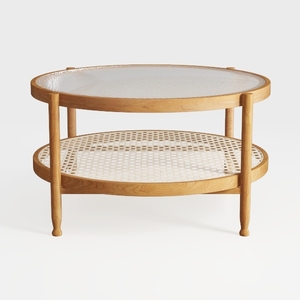
Best Choice Products 2-Tier 35.5in Round Industrial Coffee Table
Homestyler is an outstanding online home design platform perfect for anyone looking to redesign their space. With an easy-to-use design tool, stunning 3D renderings, a wealth of design projects, and informative DIY video tutorials, you can effortlessly create and visualize your dream home!
Design Now for FREE
































