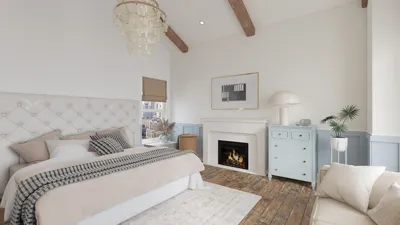


Distemper remains a relevant choice in contemporary interior design, offering a breathable, matte finish that elegantly softens edges, conceals minor surface flaws, and provides a gentle glow under natural lighting. I have integrated distemper into both heritage homes and new constructions, where it serves as a velvety, adaptable backdrop that allows furniture, artwork, and textures to shine. The selection of appropriate colors, combined with effective lighting and a well-considered layout, can drastically transform rooms from flat to richly textured settings.
When it comes to choosing colors, it's essential to consider human perception and the standards of visual comfort. Research from Verywell Mind highlights that blues can slow the heart rate and generate a peaceful atmosphere, while warm colors can invigorate and enhance sociability—these are beneficial characteristics for living areas and workspaces. I aim for a light level of 300–500 lux in living spaces and up to 500–750 lux in areas designated for tasks, adhering to typical IES recommendations for ambient and task lighting. Distemper's matte finish is particularly effective in minimizing glare compared to shinier paint options. My approach incorporates the WELL v2 guidelines on visual comfort and light management, emphasizing layers that support circadian rhythms and control glare effectively.
Soft Neutrals for Everyday Serenity
Colors such as warm greige, oat, and bone-white distemper create tranquil and timeless rooms. These shades reflect gently in morning light and keep evening shadows soft. I lean towards a slightly warmer color temperature (about 3000–3500K) to avoid the clinical feel of overly bright daylight during the night. Incorporating textured linens, pale timber, and low-sheen limewash for accent niches adds layers of depth. It’s advisable to paint ceilings a half-tint of your wall color to visually enhance the height without the harshness of pure white.
Muted Blues and Sea-Greens
In spaces like bedrooms and reading nooks, muted blue-grey or sea-glass green distemper fosters a calming effect and promotes focus. According to color psychology, blues tend to elicit a tranquil response, whereas greens promote balanced restoration. Employing a two-tone approach, a deeper shade behind the headboard (L* 35–45) paired with lighter walls elsewhere (L* 65–75) can create a pleasing spatial rhythm. Managing cooler lighting at 4000K alongside warm accent lamps ensures restful evenings.
Clay, Terracotta, and Honey
Earth-hued distempers offer a grounded ambiance that is perfect for dining and sunlit areas. Clay and terracotta tones enhance warm skin tones and encourage a welcoming atmosphere, making them ideal for hospitality-oriented designs. To achieve balance, pair these colors with slate or basalt floor tiles and natural fiber rugs. In high-traffic zones, it's wise to opt for a durable variant of distemper or apply a thin protective mineral glaze to the lower third of walls to retain the matte appearance.
Smoky Charcoal for Intimate Contrast
Deep shades of distemper can create stunning effects when used thoughtfully. A smoky charcoal feature wall behind a sofa can lend a dramatic touch, provided ambient light remains around 300–400 lux and glare is mitigated with soft shades. Choosing mid-tone trims and doors instead of stark white can soften the contrast, ensuring visual harmony. Adding elements like brushed brass or smoked bronze can provide subtle highlights against the dark matte finishes.
Pastel Accents in Small Spaces
Soft hues such as powder pink, pale lavender, and misty aqua work wonderfully in smaller entries or powder rooms. Pastels have a high reflectance, making them seem brighter and more spacious in compact areas. Framing mirrors with matching colors aids in visually expanding the space. If your layout feels cramped, consider using a room layout tool, such as Homestyler, to prototype traffic lines and clearances prior to committing to color blocking or built-in furniture.
Distemper in Heritage and Contemporary Settings
In pre-war apartments characterized by plaster cornices, distemper’s breathability and textured finish are a perfect match, as it prevents moisture from being trapped in aged substrates. In modern lofts, the soft-matte quality of distemper provides a counterbalance to the sharpness of steel and concrete, calming both sound reflections and glare. I often use a feature wall in a deeper hue to anchor open-concept designs, then incorporate the same color in smaller accents throughout cabinetry or art pieces to ensure a harmonious flow.
Light, Glare, and Colour Temperature
The matte finish of distemper performs well under varying daylight conditions, though lamping is crucial. I recommend a layered lighting strategy: ambient light (300–500 lux), task illumination (500–750 lux), and accent lighting (150–300 lux). Warmer bulbs (2700–3000K) enhance skin tones and textiles, while neutral-white (3500–4000K) is ideal for workspaces. To minimize distracting reflections, employ diffusers and indirect uplighting. In areas with ample windows, opt for sheer curtains and micro-prism diffusers to ensure comfortable light levels, particularly near dark accent walls.
Material Pairings and Sustainability
The breathable nature of distemper pairs seamlessly with lime-based plasters and untreated timber, allowing for natural off-gassing. Incorporating recycled cotton or jute rugs, FSC-certified wood, and low-VOC finishes promotes healthier interiors. When selecting pigments, opt for natural earth tones which yield richer, more authentic hues compared to synthetic tints. In bathrooms, limit distemper to dry areas or ceilings while utilizing mineral paint or tiles in wetter zones to ensure durability.
Composing the Palette: Ratios and Flow
A straightforward 60/30/10 ratio helps maintain balance in a room: 60% as the primary wall color, 30% for secondary tones expressed through textiles or cabinetry, and 10% as accents via artwork and metallic finishes. In spaces with unconventional layouts, repeat your secondary color at transitions—such as door trims or niche backs—to unify the different areas. Always test swatches on at least two walls, since distemper can noticeably shift with varying light angles and orientations.
Room Image Ideas by Function
Imagine oat distemper complemented by honey oak flooring, a charcoal media wall, and linen sofas. Add terracotta pots and bronzed sconces for visual depth. Maintain ambient lighting around 350 lux, supplementing with floor lamps for reading zones at 500 lux.
Picture a sea-green headboard wall with lighter sage shades surrounding it; natural fiber blinds can help diffuse morning glare. A warm 2700K bedside lamp promotes relaxing circadian cues at night.
Envision muted blue-grey distemper set against matte black shelves and a birch desk. Neutral-white task lighting at 500–750 lux encourages concentration. Treat your background wall to reduce glare during video calls, enhancing overall functionality.
Clay distemper paired with a smoked walnut table and textured linen drapes creates a warm and inviting space. A pendant light set at 3000K over the table can be dimmed to create an intimate atmosphere for conversation.
Consider a pastel lavender upper wall with durable mineral paint on the lower third for scuff resistance. A round mirror can echo the lavender tone to create visual expansion.
Application Tips for a Flawless Matte
Preparation is key: distemper highlights substrate imperfections, so it's essential to skim and sand surfaces uniformly. Wide rollers should be used to prevent banding, and maintaining a wet edge during application is important. Working in natural daylight helps to identify any patchiness. Allow for a complete curing period before hanging any art, as matte textures may develop marks if pressed too soon.
Design Logic: Human Factors and Acoustic Comfort
Matte surfaces scatter light, thereby diminishing visual fatigue, which is particularly helpful for those sensitive to glare. Pairing distemper finishes with soft furnishings can help absorb noise in hard-floored spaces. Warm color schemes tend to encourage social interactions and prolonged stays, while cooler tones foster concentration. I create serene areas—like reading nooks and niches—by deepening colors and guiding light to maintain a low, calming atmosphere.
Common Mistakes to Avoid
Using overly white ceilings against saturated walls can lead to a stark contrast; consider slightly tinting ceilings instead. Avoid pairing very cool light sources with warm earthy distemper, as this can produce an unappealing muddy look at night. In high-traffic zones, protect lower wall areas to avoid scuffs; implementing wainscoting or a more durable finish below chair-rail height can be effective.
Maintaining Distemper Finishes
Gently dust walls and use a barely damp sponge for spot cleaning, as scrubbing can damage matte textures. When performing touch-ups, feather the edges widely to prevent sheen discrepancies. In sunlit rooms, be vigilant for subtle fading and regularly rotate artwork to avoid witness marks.
FAQ
Distemper provides a breathable, matte finish that minimizes surface irregularities, resulting in a luxurious, velvet-like appearance. This makes it particularly well-suited for older plaster surfaces.
Colors such as high-reflectance pastels—powder pink, misty aqua, and pale lavender—can visually enlarge small spaces. It's beneficial to keep trims closely matching the wall tone to minimize contrasting lines.
Layer ambient lighting at approximately 300–500 lux, complemented by task lighting reaching 500–750 lux. Warmer bulbs (2700–3000K) enhance the warmth of matte finishes, while diffusers can mitigate glare.
Absolutely—emphasize one wall in smoky charcoal, balance with mid-tone trims, and achieve proper luminosity through indirect lighting. Incorporate metallic accents for a touch of elegance and warmth.
Limit the use of distemper to dry areas or ceilings in bathrooms. Employ mineral or tile finishes in splash zones while ensuring adequate ventilation to control moisture levels effectively.
Muted blues and greens are associated with tranquility and focus; on the other hand, warm earth tones are known to encourage social interactions. Such insights are supported by color psychology research referenced by Verywell Mind.
Utilize an interior layout planner like Homestyler to prototype circulation paths and furniture arrangements, ensuring that the placement of color blocks aligns with functional areas and sightlines.
Dust should be removed gently; avoid aggressive cleaning methods, and extend touch-ups widely to maintain uniformity. In high-traffic areas, protect lower walls with more durable surfaces.
Nurturing a tactile and breathable palette involves using lime plasters, FSC wood, linen, and natural fibers. Subtle contrast without reflective glare can be achieved by incorporating brushed metals.
Applying a half-tint of your wall color to the ceiling can reduce contrasting effects, help raise visual perception of height, and maintain a cohesive atmosphere throughout the space.
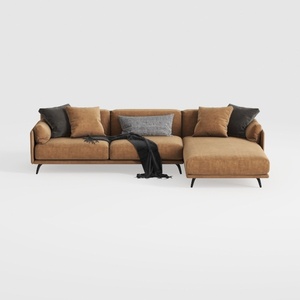

Coaster Home Furnishings - Camacho - Upholstered C

Minimalist Solid Oak Coffee Table Simple Modern Design 3D Model
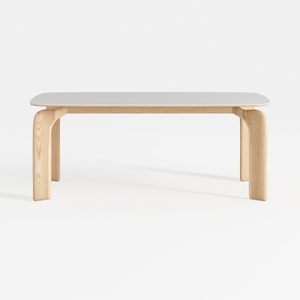
Minimalist Solid Oak Light Gray Top Coffee Table 3D Model
Looking to design your dream home? Homestyler is your go-to online platform! With an intuitive design tool, stunning 3D renderings, and a treasure trove of DIY video tutorials, you can easily transform your ideas into reality. Unleash your creativity today!
Design Now for FREE
































