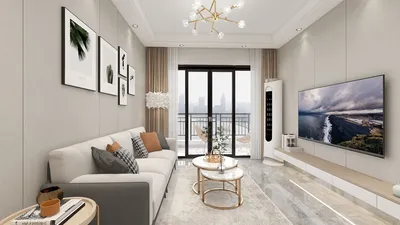


Contemporary dining rooms excel with carefully layered, human-centric lighting that transitions effortlessly from casual weeknight meals to festive weekend celebrations. I create dining environments that expertly combine ambient, task, and accent lighting, ensuring the table invites us in, the food appears true to its colors, and faces are pleasantly illuminated without unflattering shadows. Following WELL v2 guidelines, I aim to reduce glare and promote circadian health by utilizing balanced lighting paired with adjustable scenes, while advice from IES recommends maintaining a comfortable ambient range of about 200–300 lux, increasing task lighting directly above the table to a range of 300–500 lux for clarity that avoids glare. These foundational principles guide my design approach to both functionality and ambiance.
The influence of lighting extends beyond mere aesthetics; it can significantly impact behavior. Research conducted by Steelcase highlights that environments offering choices and control enhance engagement and wellbeing; dimmable lighting schemes and tunable fixtures empower diners to tailor their comfort and visual atmosphere. Color perception plays a crucial role in this dynamic: as indicated by color psychology studies gathered by Verywell Mind, warm tones can stimulate social interaction and enhance appetite, whereas cooler shades evoke tranquility. To implement this, I combine warm accent lighting (2700–3000K) with neutral ambient light (3000–3500K) to keep food appealing and skin tones flattering without appearing excessively warm.
Establish the Base: Ambient Light that Flows
Ambient light serves as the soft foundation upon which all other elements rest. My preference leans towards ceiling-integrated solutions, such as recessed downlights with wide beam distributions and effective glare control, or gentle, diffused ceiling fixtures that provide uniform light with no hotspots. I recommend maintaining a moderate average ambient level (around 200–300 lux) to allow the focal lighting over the table to shine. To prevent harsh contrasts and scalloping effects on walls, I position downlights strategically away from the table’s edge and incorporate wall washers to enhance the vertical surfaces; this approach subtly expands the space and highlights art or texture.
Highlight the Table: Pendant and Chandelier Strategy
A statement dining pendant or chandelier clearly defines the room's spatial intention. I select fixtures that are roughly 50–75% the width of the table to ensure a strong presence without overwhelming the design, suspending them approximately 30–36 inches above the tabletop to maintain open sight lines. To mitigate glare, I favor light fixtures with diffusers or lenses and a high color rendering index (CRI 90+) to ensure the food retains its vibrant appeal rather than appearing dull. Aim for 300–500 lux directly on the table surface, utilizing dimmers to adjust brightness after meals when conversation takes center stage. Using multiple smaller pendants over a long table establishes rhythm, while a singular sculptural piece grounds round tables and maintains a calm visual effect.
Accent Layering: Illuminating Walls, Art, and Cabinetry
Accent lighting injects personality into the space. I incorporate adjustable spotlights or track heads to accentuate textured walls, highlight artwork, or softly illuminate the edges of sideboards. A good heuristic is to maintain an accent-to-ambient light contrast of around 3:1 to create emphasis without visual fatigue. Integrated LED strips positioned beneath shelves or inside glass cabinets provide a gentle aura; these should be controlled via a dimmer and specified at 2700–3000K with opal diffusers to eliminate the appearance of diode dots. If the dining area shares space with a kitchen, accents can effectively delineate spaces without constructing physical barriers.
Color Temperature and CRI: The Key to Apetite
The color temperature sets the overall tone, while CRI ensures accurate color representation. In residential dining, I find that warm-to-neutral (2700–3500K) lighting strikes the perfect balance. I pair 2700K accent lighting with 3000–3500K ambient light to keep the room lively without turning cold. A high CRI (90+) is essential for the dining pendant to ensure that greens appear fresh and skin tones remain healthy. If candlelight is your preference, consider a dim-to-warm pendant that transitions from 3000K down to 2200K as it dims, replicating the warm glow of evening light.
Managing Glare, Shadows, and Sightlines
Visual comfort greatly depends on ergonomic lighting design. Glare can disrupt social interactions, as people instinctively shy away from bright light sources. I address this by utilizing diffusers, shielding angles, and broader beam spreads. Shadows also play a pivotal role; a pendant light that's too high can cast unflattering shadows, while one that's too low obstructs sightlines. The reliable height of 30–36 inches above the table coupled with fixtures featuring layered diffusers mitigates harsh multi-shadow effects on plates and faces.
Smart Dimming and Scene Control
Providing choice is a powerful design strategy. I organize pendants, ambient ceiling lights, and accent fixtures onto separate dimmers or smart scene controls labeled ‘Dinner,’ ‘Conversation,’ and ‘Cleanup.’ Workplace studies from Steelcase emphasize how control enhances user satisfaction; this principle also applies at home. A cleanup scene boosts task lighting, a conversation scene softens accent illumination, and a dinner scene balances table brightness with a cozy background glow. If you incorporate tunable white lighting, set presets around 3000K for dining and lower to 2700K for relaxing evenings.
Harmonizing Acoustics and Materials
Lighting feels more inviting in a serene environment. I combine soft illumination with acoustic textures—like upholstered chairs, draperies, and rugs—to ensure clear conversations. Matte finishes on tables and sideboards help reduce specular reflections and glare. For a sustainable approach, seek luminaires with replaceable LED components and robust dimming capabilities; consider specifying FSC-certified wood fixtures or recycled metal shades when possible, and keep color stability in mind to prevent mismatched tones over time.
Navigating Small Rooms vs. Open Concepts
In compact dining spaces, maximizing height can be accomplished with a disc pendant that uplights and diffuses light downwards, keeping the area bright. For open concepts, establish a hierarchy: a central table pendant as a focal point, softer ambient light throughout the living space, and gentle accentuating light on the kitchen wall. To experiment with potential furniture arrangements or sightline adjustments before finalizing fixture placements, utilizing a room layout tool can effectively simulate distances and movement paths.
Exploring Color Psychology for Dining
Color works in conjunction with light. Warm undertones—like terracotta, ochre, and muted coral—enhance the welcoming atmosphere under 2700–3000K accents. Conversely, cooler neutral tones—such as stone gray and sage—benefit from ambient light at 3000–3500K for enhanced clarity. According to insights from Verywell Mind on color psychology, warm shades promote interaction; I implement this by creating warm highlight zones around the table and décor, complemented by neutral ambient light to prevent visual fatigue.
Choosing Fixtures: My Criteria for Selection
My fixture selection is guided by three key criteria: optical quality (shielding, beam control, diffusion), fidelity (CRI 90+, with good R9 values), and adaptability (dimming capacity, tunable white options). For chandeliers, I prefer options with layered diffusers and the ability to dim to warm for enchanting social gatherings. When it comes to recessed downlights, I prioritize low UGR optics and additional accessories like louvers. Adjustable accent heads should have versatile beam angles (15–30°) and compatibility with dimming systems. Don’t neglect the specifications for the driver—quiet, flicker-free dimming at low settings is vital for creating a relaxed dining atmosphere.
Installation Heights and Spacing Considerations
Getting the measurements right is crucial to avoid costly rework. For pendant lights, I recommend a drop of 30–36 inches above the tabletop. For spaced recessed lights, begin at approximately 4–6 feet center-to-center, utilizing wide beams for ambient lighting and angling them away from diners' faces. Accent lights should be positioned or aimed to graze walls about 12–18 inches from the surface to enhance texture without creating hotspots. Ensure dimmer controls are easily accessible from the dining entrance for seamless scene setting.
Incorporating Daylight
Natural light can harmonize beautifully with artificial elements. Sheer window coverings can diffuse harsh sunlight and keep vertical surfaces bright; as evening approaches, layered artificial lighting can take over. For dining areas facing west, higher dimming capacity is advisable to counteract the intense late-day sun; tunable white fixtures can cool down to 3500K earlier in the day, transitioning to warmer tones for dinner. The objective is to ensure consistent comfort throughout the 24-hour cycle without abrupt visual changes.
Prioritizing Maintenance and Longevity
Ensuring enduring lighting quality is essential. Choose fixtures with accessible diffusers and finishes designed to resist smudges. Plan for periodic cleaning of lenses and shades to maintain optimal output and freshness in the room. Regularly check the driver lifespan and warranty; consistency in performance at low dim levels is the true test for dining rooms that prioritize inviting lighting.
Frequently Asked Questions
Aim for around 300–500 lux on the tabletop to ensure visibility without glare, while ambient lighting should hover around 200–300 lux. Dimming options help customize comfort for various settings, from meals to conversations.
A warm-to-neutral temperature works best: 2700–3000K for accent and pendant lights, and 3000–3500K for ambient sources. Dimming capabilities in pendants can create that rich, golden ambiance as light levels decrease.
The bottom of the fixture should ideally be positioned 30–36 inches above the table surface. This ensures clear sight lines and minimizes shadowing on faces.
Indeed—opt for a CRI of 90+ to keep food colors vibrant and skin tones looking natural. Pay attention to R9 values in specifications to ensure deep reds stay saturated.
Incorporate diffusers, lenses, and fixtures with effective shielding angles. Avoid using clear bulbs where they can be directly seen, and choose low UGR optics for downlights.
Layering light is crucial: utilize ambient light for overall illumination, a pendant or chandelier for direct task lighting, and accents for artistic walls and cabinetry. Ensure each layer is controlled independently with dimmers.
Well-balanced, adjustable lighting contributes to both comfort and engagement levels. Research from Steelcase indicates that providing users with choices fosters wellbeing; similar advantages can be experienced at home with scene management.
Establish a visual hierarchy: emphatic lighting directly above the table, softer ambient light in adjacent areas, and subtle accents to define spaces. Utilizing a layout simulation tool can aid in planning fixture placements and sightlines effectively.
If you often host gatherings, the answer is yes. The ability to use tunable white lighting allows you to set clear day-like conditions around 3000–3500K, transitioning to warm 2700K for dinners to enhance mood and comfort.
For rectangular tables, I recommend fixtures that are 50–75% of the table's width. For round tables, a singular sculptural piece should have a diameter proportionate to the table size to maintain balance without excessive bulk.
Homestyler's roots trace back to Autodesk, the global leader in design and engineering software. That heritage lives on in every feature we build. Today, with a community of more than 18 million users worldwide, Homestyler continues to make professional-quality interior design accessible to everyone — from first-time decorators to seasoned architects.


Modern Minimalist Black Metal Linear Ceiling Lamp 3D Model
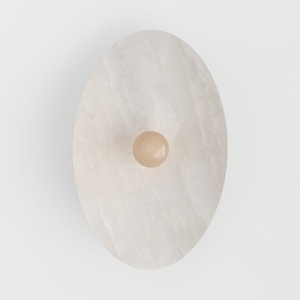
Minimalist Marble Oval Wall Lamp 3D Model
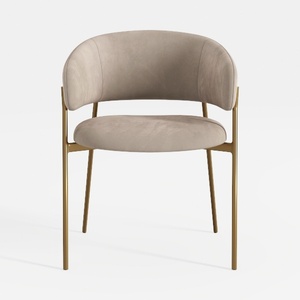
Modern Velvet Fabric Gold Metal Frame Dining Chair 3D Model
Homestyler is a fantastic online platform for home design enthusiasts, offering an easy-to-use design tool and stunning 3D renderings. Explore a vast array of design projects and follow DIY video tutorials to transform your home effortlessly. Unleash your creativity with Homestyler today!
Progetta ora GRATIS
































