


The impact of color is remarkable, transforming a hallway in mere moments. Choosing the appropriate color scheme can enhance movement, influence mood, and create a warm atmosphere that resonates throughout the home. For me, decisions regarding color are as crucial as those related to lighting, ergonomics, and materials. The way we perceive our environment changes significantly based on the type of lighting used and the finish of surfaces. According to Steelcase, environments designed with intention can elevate our sense of wellbeing and productivity—something easily felt upon entering a carefully curated hallway. Herman Miller's studies reinforce that the quality of our surroundings is closely tied to comfort and engagement, highlighting how effective a well-planned color palette can be in conjunction with proper lighting and sound management.
Before finalizing paint selections, I first assess light conditions. The Illuminating Engineering Society (IES) recommends illumination levels of 100 to 300 lux in public corridors, emphasizing uniformity and glare reduction. In hallways with lighting below 150 lux, selecting lighter colors with a high Light Reflectance Value (LRV) helps bounce light effectively and minimizes shadows. Conversely, corridors illuminated over 250 lux can accommodate richer tones without the space appearing dark. The WELL v2 standards also stress the importance of glare reduction and visual comfort; incorporating soft, matte finishes along with wall washers or indirect lighting enhances color accuracy and the spacious feel. To create a specific atmosphere—be it a tranquil passage or an art gallery experience—I align hue, saturation, and light levels for a cohesive look in the hallway, ensuring it does not feel like an afterthought.
Always Effective Warm Neutrals
Warm neutral tones are my preferred choice for smaller or dimly lit halls, as they create an illusion of space without appearing too sterile. Consider soft greige, almond, or warm limestone; aim for an LRV between 60 to 75 in areas lacking natural light to maintain brightness without causing glare. Using a slightly darker shade for baseboards or door casings can add visual interest. In halls that connect different rooms, these warm neutrals help to minimize ‘visual fragmentation,’ ensuring transitions feel fluid. Complementing these hues with matte or eggshell finishes softens the reflections from ceiling lights.
Timeless Off-Whites That Avoid the Clinical Look
Off-whites can be stunning when they lean creamy instead of bluish. Shades like ivory, soft oat, or chalk with a hint of yellow-red undertone can prevent a sterile ambiance. Opt for low-sheen finishes to guard against hotspot glare; glossy surfaces tend to increase reflections. For hallways flooded with daylight, slightly cooler off-whites help to balance out the warmth during afternoon sun. Pair these colors with natural wood elements—such as walnut handrails or white oak thresholds—to achieve a pleasing tactile contrast.
Soothing Blues for Indicating Direction
Shades of blue can help direct traffic flow. Muted slate, powder blue, or blue-gray serve as gentle ‘wayfinding’ signals, giving purpose to long corridors and making them feel less daunting. According to insights from Verywell Mind regarding color psychology, blue often evokes feelings of calmness and trustworthiness—ideal for transitional areas. Be mindful of saturation: mid-light values (LRV 45-60) work well for darker walls paired with lighter ceilings, alleviating a sense of confinement. In hallways showcasing art, blue-gray backdrops allow frames and matting to stand out without overwhelming the space.
Refreshing Earthy Greens
Soft sage and eucalyptus shades offer a refreshing touch that connects interior spaces with nature. These colors harmonize beautifully with stone or terrazzo flooring and help reduce eye fatigue in areas with heavy foot traffic. Keep greens slightly muted for an elegant look; vibrant green can appear juvenile when lit by warm LED lights. When incorporating plants, ensure that the leaf tones complement the wall hues to maintain a cohesive biophilic design that avoids conflicting undertones. Using diffuse wall washing techniques can enhance the greens without creating unsightly shadows.
Chic Charcoal and Striking Accents
In spacious, well-illuminated halls, deeper tones like charcoal, midnight blue, or espresso can be visually striking. The key is finding balance: pair darker walls with a lighter ceiling and accentuate with pale art mats or brass hardware. I like to apply the darkest tones to feature walls—especially those facing the entry—to enhance perspective and spotlight artwork. When lighting fixtures provide even illumination of 250 lux or more, dark walls won’t feel heavy; accent lighting, such as sconces placed at 66 to 72 inches high, also helps to delineate spaces.
Warm Terracotta and Sun-Kissed Neutrals
Terracotta, clay rose, and sandstone colors imbue warmth and personality, which is particularly effective in older homes or areas featuring textured plaster. These shades thrive under lighting between 2700K and 3000K, which highlights their warmer red and yellow undertones. Avoid cool LED lighting, as it may distort colors and give terracotta a muddy appearance. A soft, buttery trim can enhance warmth without appearing dated.
Monochromatic Schemes with Textured Layers
A monochromatic palette does not have to be flat. Stick to a single hue family—such as mushroom to taupe—while varying value and texture (think paint, veneer, and boucle runner). This methodology keeps hallways tranquil while introducing sensory complexity. For added acoustic comfort, employ a runner alongside fabric-upholstered wall panels in noisy areas to lessen sound echo. The color palette remains tonal, creating a rich and inviting experience.
Light and Color: Matching Temperature and Tone
Colors appear differently under various lighting conditions; for instance, 2700K against 4000K bulbs will yield different results. Warmer temperatures (2700-3000K) work well with warm neutrals and terracotta, while 3500-4000K complements cool whites, grays, and blues. Strive for a Color Rendering Index (CRI) of 90 or higher for the best hue accuracy. In elongated hallways, maintaining consistency matters more than sheer output—uneven lighting can exaggerate patchiness, making even well-chosen colors look off. Consider using indirect cove lighting or wall washers to lessen glare.
The Impact of Psychology and Behavior in Transitional Areas
Hallways can influence our pace. Warm color schemes subtly slow us down, which is beneficial near stairs or tight corners, whereas cooler palettes provide a brisk feel, suitable for direct routes. If the hallway serves as an exhibition space, mid-tone backgrounds allow faces and artwork to emerge as focal points. In compact halls, using lighter walls with slightly darker flooring creates a sense of ‘visual buoyancy’ that alleviates claustrophobia and facilitates an airy feel.
Perfecting Details: Trim, Doors, and Ceilings
Trim and door colors establish rhythm in a hallway. Opt for a trim that is a half-step darker than the walls to add structure without strong contrasts. When matching ceilings with walls, using a shade lighter can create the illusion of height. In exceptionally low-ceilinged spaces, keep ceilings bright (LRV 80+) and avoid crown molding that cuts into the vertical line.
Flow and Layout: Utilizing Color for Navigation
The strategic use of color can guide movement; subtle accents at junctions (like intersections and stairways) can subtly encourage turns. If you're considering a hallway renovation that includes new storage solutions or alcoves, evaluate your color schemes against your planned layout using an interior design and planning tool. As I adjust door orientations or add niches, I simulate both light and reflectance before settling on paint. Using tools to visualize layout can help you understand how changes in value might affect perceived width and flow while allowing you to fine-tune the palette with furniture and art placement. Consider using a tool like Homestyler for layout simulations.
Choosing the Right Room Layout Tool
Selecting Sustainable and Durable Finishes
Opt for low-VOC paints and durable, scrubbable matte or eggshell finishes in areas experiencing heavy foot traffic. Combine color with sturdy materials—consider porcelain bases, hardwood thresholds, and washable wall coverings for tight corners. Sustainable selections support indoor air quality and maintain the fresh look of your palette despite frequent wear.
Quick Color Pairings to Experiment With
- Warm greige walls paired with an ivory ceiling and walnut handrail
- Sage-colored walls combined with brushed nickel hardware and a pale stone floor
- Powder blue walls with white trim complemented by black-and-white framed photos
- Charcoal accent wall with brass sconces and a linen runner
- Terracotta walls adjacent to cream trim and a rattan mirror
Frequently Asked Questions
For high-LRV neutrals (60-75), walls painted in conjunction with a slightly lighter ceiling can give an impression of greater width. Darker floors act as an anchor, reducing the tunnel effect.
Warm 2700-3000K lighting enhances reds and yellows (like terracotta and cream), while 3500-4000K lighting supports whites, grays, and blues. Maintain a CRI of 90 or better for true color rendering.
Yes, if the hallway enjoys consistent lighting levels around 250 lux. Deep colors can be used effectively on short focal walls or in wider corridors, as long as they are balanced with lighter ceilings and trim.
Warm greige or almond tones in matte or eggshell finishes work well, reflecting limited light without causing glare. Aim for an LRV above 60 if your hallway is below approximately 150 lux.
Subtle accents at turns and similar trim tones provide orientation for movement. A contrasting niche or end wall can gently signal direction without the need for signage.
Employing mid-tone backgrounds (like blue-gray or taupe) keeps high contrasts from competing with artwork. Adding wall washers can enhance color fidelity while minimizing shadows.
Choose low-VOC, scrubbable matte or eggshell finishes to facilitate maintenance in high-traffic areas. Use durable base materials like porcelain to help maintain cleanliness along edges.
No, not necessarily. Balancing cooler walls with warm textures—like wood rails, linen runners, and brass accents—while setting lighting at 3000 to 3500K can soften the overall appearance.
Lighter ceilings (LRV 80+) can visually elevate the height of a hallway. Avoid bulky moldings in low spaces; a streamlined junction line can extend verticality.
Indeed. Blue-gray shades promote tranquility and clarity. Studies in color psychology indicate that blue often communicates reliability and steadiness, making it ideal for pass-through areas.
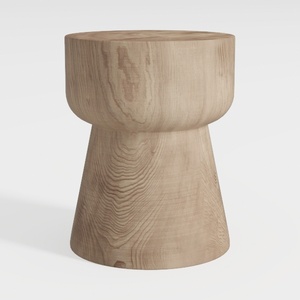
Minimalist Solid Wood Round End Side Table 3D Model


Minimalist Solid Wood Desktop Bookshelf Storage Organizer 3D Model

Homestyler is the ultimate online home design platform for anyone looking to elevate their space. With its user-friendly design tool, stunning 3D renderings, and a wealth of DIY video tutorials, transforming your home has never been easier. Unleash your creativity today!
立即免费设计
































