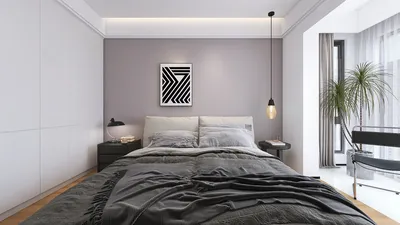


A jhumar, commonly referred to as a chandelier, offers more than just illumination for a living room; it establishes the ambiance, scale, and harmony of the entire area. In my design endeavors, an aptly selected jhumar serves as a striking visual focal point, enhancing everything from seating arrangements to the selection of materials. The crucial aspect is to achieve a balance among proportions, light quality, and a design that fits the architecture of your space, with the help of tools like Homestyler.
The aspects of light output and color are quantifiable and hold significant importance. Based on IES standards, a typical living room should have approximately 10–20 foot-candles (about 100–200 lux) of ambient lighting, in addition to task lighting layered for 300–500 lux near reading or work areas. Personally, I aim for a warm white color temperature of around 2700–3000K to create a cozy environment. Guidelines from WELL v2 also stress the importance of controlling glare and ensuring visual comfort by promoting even illumination and minimizing direct glare—choosing jhumars equipped with diffusers, prismatic shades or indirect uplighting helps achieve this balance. For more insights into layered design principles, check out ies.org/standards and wellcertified.com.
Establishing Intent: Purpose of Your Jhumar
I begin the process by clarifying the spatial intention. Will the room serve for tranquil family evenings, engaging gatherings, or a blend of work and relaxation? A living room centered around conversation greatly benefits from softer, diffuse lighting and larger fixtures that visually unify seating areas. For spaces dedicated to reading or hobbies, while additional lamps are necessary, the jhumar can still provide a warm ambient glow. In multifunctional designs, a dimmable jhumar with a high Color Rendering Index (CRI of 90+) ensures colors appear true and flattering, particularly crucial in the evening when natural light diminishes.
Proportions, Height, and Visual Harmony
Scale is a vital factor. A good guideline I follow is to select a jhumar with a diameter, in inches, approximately equal to the sum of the room’s width and length in feet (intelligently adjusted to prevent excessive bulk)—then fine-tune by reducing 10–20% for minimalist designs or increasing for classical aesthetics. In spaces featuring 9–10 ft ceilings, I suggest positioning the jhumar so that its lowest point is about 78–84 inches from the floor. When installed above a coffee table, allow a clearance of 30–36 inches to maintain clear sightlines. In extended or irregular rooms, consider utilizing clustered multi-pendants to distribute light evenly without overwhelming any single area.
Light Quality: Emphasizing Color Temperature, CRI, and Glare
For the majority of living rooms, light temperatures within the range of 2700–3000K instill warmth; opting for 3000K might provide a slightly sharper feel if your color palette is on the cooler side. A high CRI (90+) enriches the vibrancy of textiles and finishes, ensuring colors of your rug and sofa remain true. Dim-to-warm lighting options are excellent for evening ambiance adjustments. Shielded light sources—such as fabric shades, frosted glass, alabaster, or indirect bowls—mitigate glare and align with comfort standards as specified in WELL v2. Avoid using unshielded bulbs at eye level unless your design deliberately embraces a dramatic flair and you’ve confirmed the efficacy of your dimming methods.
Materials and Style: Harmony with Architecture
The selection of materials should reflect the essence of the room. In contemporary environments, I lean towards refined silhouettes like linear glass bars, sculptural rings, or brass with a matte finish. In traditional interiors, multi-arm crystal or tiered glass should be selected, provided the trim work and ceiling height support its opulence. Opting for sustainable selections such as FSC-certified wood elements, recycled glass, and interchangeable LED modules can enhance durability and minimize waste. Don't underestimate the power of texture; handwoven shades can soften both acoustics and ambient light, while finely crafted crystal can create sparkling reflections that enhance evening settings.
The Psychology of Color and Its Atmosphere
Warm lighting cultivates a soothing atmosphere; conversely, cooler light can invigorate a space. In rooms accentuated with blues or greens, 3000K keeps the colors feeling fresh, avoiding a cold ambiance. In warmer, earth-toned areas, 2700K deepens the feeling of comfort. The quality of the light source significantly impacts color perception; high-CRI LEDs help maintain the vibrancy of reds, which is particularly advantageous if your decor relies heavily on warm pigments. The jhumar acts as a mood setting device—setting the stage for lively discussions, movie nights, or reading, while making dimming features easily accessible.
Various Ceiling Types and Mounting Approaches
In vaulted and double-height areas, utilizing tiered jhumars or cascading clusters ensures that light evenly reaches seating zones. For coffered ceilings, center the jhumar in relation to a prominent bay; if there’s an imbalance in symmetry, align it with the primary seating area rather than the geometric center of the room. For lower ceilings (8 ft), selecting semi-flush or shallow drum styles with generous diameters yet reduced drop can preserve the desired presence without cluttering sightlines.
Layout Integration and Visual Cohesion
I strategically position jhumars to enhance movement and conversation within the space. Placing the fixture above the main seating arrangement effectively anchors the flow; in asymmetrically arranged living rooms, the jhumar can be positioned slightly off-center as long as it corresponds with the coffee table and the sofa’s main axis. When considering adjustments to seating and fixture placement, utilizing a room layout tool like Homestyler can streamline the planning process before finalizing wiring or ceiling reinforcement.
Acoustics and Material Selections
Living rooms characterized by hard surfaces can often feel overly bright and echoey. Introducing fabric-shaded jhumars, felted diffusers, and timber elements can subtly enhance acoustics by providing micro-absorption. It’s wise to avoid excessive crystal in overly reflective spaces, unless balanced by rugs, upholstered furnishings, and curtains that mitigate reflectivity. If your area features a significant volume, enhance ambient illumination with wall washers and floor lamps to soften contrasts and diminish harsh reflections.
Energy Efficiency, Maintenance, and Sustainability
Opt for LED modules offering tunable options within the 2700–3000K range, along with L70 lifetimes of 50,000 hours or more, matching them with dimmers compatible with leading or trailing edges. Simple-to-clean finishes and modular components simplify upkeep. Sustainability extends beyond energy alone: choose resilient finishes, steer clear of mixed materials that are difficult to recycle, and utilize repairable elements. If the jhumar includes delicate features, confirm that ceiling anchors and swag points carry the appropriate load ratings.
2024–2025 Living Room Design Trends
Current trends are highlighting the use of natural brass and aged bronze paired with soft linen diffusers, sculptural glass rings equipped with low-glare lenses, and compact multi-tier lighting solutions suitable for smaller urban living spaces. The increasing preference for hybrid setups—such as movie nights, cozy reading nooks, or small work sessions—has made dim-to-warm LEDs and discreet beam spreads quite popular. Organic shapes including branching arms, pebble clusters, and alabaster discs introduce a sophisticated yet understated luxury befitting both minimalistic and transitional décors.
Practical Selection Guide
- Take accurate measurements of the space, including its dimensions and ceiling height; establish the ideal diameter and drop for the jhumar.
- Determine the optimal ambient lux target (100–200) and select an appropriate color temperature (2700–3000K).
- Ensure the chosen jhumar has a CRI of 90 or higher, compatibility with dimming features, and adequate glare control.
- Align the styling and materials with the architectural design and color palette of the space.
- Assess circulation patterns and clear sightlines; adjust the jhumar’s position to harmonize with the seating area.
- Verify the weight, mounting mechanisms, and accessibility for maintenance of the jhumar.
- Incorporate additional task lighting for reading or crafting zones to enhance functionality.
Common Questions and Answers
I usually opt for a jhumar diameter that actively connects with the primary seating area—frequently within the 24–32 inch range for medium-sized rooms with 8–9 ft ceilings, with adjustments made depending on furniture scale and sightlines.
A color temperature of 2700K is consistently warm and soothing. If your color palette tends towards cooler tones or if you're seeking a slightly sharper appearance, 3000K can still provide a welcoming effect while maintaining a fresh look.
In spaces with 9–10 ft ceilings, aim for a minimum of 78–84 inches from floor to the lowest point of the jhumar. Maintain approximately 30–36 inches clearance above a coffee table to ensure unobstructed views across the seating area.
Absolutely, a CRI rating of 90 or above preserves the accuracy of textiles, wood finishes, and artworks, significantly enhancing perceived quality—most noticeable with reds and warm neutral shades.
Utilize diffusers made from fabric, frosted glass, or alabaster; consider indirect uplighting or shielded optics. Pair these features with dimming controls and layer the ambient lighting with wall lights or floor lamps to create a smoother contrast for comfort.
For lower ceilings, select a semi-flush or shallow drum jhumar with a wider diameter but minimal drop. This approach maintains the desired presence without overwhelming the space.
Yes, it is feasible to incorporate sparkling elements, provided they are carefully scaled and simplified. Consider restrained tiers, tinted or matte crystal, and warm LED lighting options to avoid an overly formal or reflective appearance.
Targeting ambient lighting around 100–200 lux is suitable for general living spaces, with increased levels of 300–500 lux near reading areas through strategically layered lamps. Dimming options allow flexible scene-setting as needed.
It may help to a degree. Fabric shades, along with felted components and wooden features, contribute minor absorption; pairing these with rugs, curtains, and upholstered seating enhances the overall acoustic experience significantly.
Select LED modules rated for L70 lifetimes of 50,000 hours or greater, and ensure compatibility with your dimmers. Make sure components are easily reachable for cleaning and replacement, and consider avoiding delicate finishes in high-traffic households.
Optimize alignment to the primary seating area and the coffee table layout, rather than centering on geometrical symmetry. This approach reinforces the social dynamics within the room.
Employ an interior layout planner like Homestyler to visualize positioning for fixtures and furniture flow. A quick visual assessment can help avert costly rewiring decisions down the line.


Homestyler is your go-to online platform for all things home design! With its user-friendly design tool, stunning 3D renderings, a wealth of design projects, and engaging video tutorials, you'll effortlessly transform your ideas into reality. Create your dream space today!
Progetta ora GRATIS
































