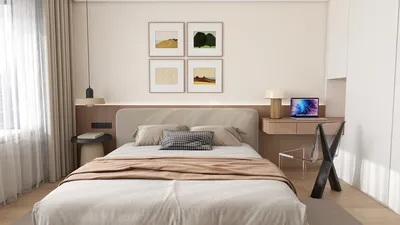


Beige has evolved considerably, shedding its old reputation for being dull. In a living room setting, it serves as a versatile base for natural light, diverse textures, and subtle color gradients that soothe the mind while enhancing daily comfort. In my designs, I approach beige as a range of tones rather than a singular shade—incorporating warm sandy hues for a cozy feel, gray-beiges for a touch of elegance, and pink-beiges for a gentle softness. This allows the room to effortlessly transition from the soft morning light to the more intimate evening glow. Studies indicate that our surroundings greatly influence our emotions and behavior: according to WELL v2, a balanced lighting environment contributes to overall wellness, emphasizing ways to minimize glare and support our body’s natural rhythms (WELL v2, Light Concept). Similarly, findings from Gensler’s U.S. Workplace Survey reveal that having access to quality lighting and comfortable settings markedly enhances satisfaction and productivity, a principle that equally applies at home—where we relax, entertain, and rejuvenate.
Color plays a vital role in shaping mood, attention levels, and the perception of warmth. The understated nature of beige aids in minimizing visual clutter, allowing spaces to feel more expansive, tranquil, and restorative. An overview of color psychology by Verywell Mind suggests that softer, muted tones lead to a more calming atmosphere and diminish overstimulation—precisely what a living area needs to facilitate transitions between different activities. When combined with lighting that aligns with human perception—like 2700-3000K in the evening and 3500K during busy daytime periods—you create a space that harmonizes with your natural rhythms. For ambient lighting, adhere to IES recommendations for layered illumination: generally aim for 100-150 lux in casual living rooms, higher task lighting in reading areas, and accent lighting to enhance artwork while controlling glare for comfort (according to IES standards). For further insights into well-being and lighting, explore wellcertified.com; for exploration into mood and color psychology, visit verywellmind.com/color-psychology.
Creating a Thoughtful Beige Palette
I commence by identifying three beige mainstays spread across a warm-to-neutral scale: a mid-tone wall color (LRV ~60-70), a slightly deeper upholstery tone, and a light, high-LRV rug that reflects the light. This trio generates visual harmony and avoids a flat appearance. Incorporating soft white or ecru trim helps define edges without introducing stark contrasts that could disrupt tranquility. If your space tends to feel chilly, lean toward warmer beige tones like camel, oat, or almond; conversely, if your room receives abundant southern sunlight, greige or stone-beige can help balance the warmth.
The Power of Texture in Luxurious Beige
Beige flourishes when paired with rich materials. Combine matte limewash walls with boucle or textured chenille upholstery, soft wool throws, and a low-sheen oak coffee table. I enjoy contrasting tightly woven curtains with subtly textured rugs to create varied light interactions. Incorporating natural textures enhances tactile engagement and minimizes sound reflections, improving overall acoustic comfort. Opting for sustainable materials—such as FSC-certified wood, recycled wool, and low-VOC finishes—helps maintain healthy air quality while staying true to the color palette.
Optimizing Warmth Through Lighting: Color Temperature and Layers
Layer your lighting as you would your fabrics. Choose warm lamps in the range of 2700-3000K for evening use and dimmable options at 3000-3500K for daylight tasks. Manage glare with shaded sconces and diffuse pendant lights; position downlights away from seating to avoid unflattering shadows. Accentuate textured walls or artwork with lighting set to 200-300 lux to add depth against the beige backdrop. I frequently specify dual circuits—one for ambient and reading light and another for accents—allowing for effortless mood adjustments.
Calm, Subtle Contrasts That Enhance
Beige appreciates gentle contrast. Charcoal window frames, burnished bronze fittings, or a tobacco leather ottoman provide grounding without overwhelming the palette. For a light-on-light approach, consider olive, mushroom, or smoky blue as near-neutrals; these add dimension to beige while remaining understated. Concentrate contrast at focal points—like the fireplace, media wall, or largest sofa—to lead the eye and maintain equilibrium.
Color Psychology: Subtle Touches of Color
In predominantly beige spaces, small pops of color offer personality without disturbing the serene ambiance. Incorporate a pair of rust velvet pillows, eucalyptus-green pottery, or a single indigo throw to enrich the palette. Keep accent colors limited to two and repeat in small quantities at least three times to create coherence. This repetition fosters cognitive ease and minimizes visual clutter.
Considering Ergonomics in a Beige Living Room
Comfort is key in modern designs. Aim for sofa seat heights between 17-19 inches and depths of 20-22 inches to accommodate most adults without inducing slouching. Ensure side tables are situated within 1-2 inches of arm height for easy accessibility to drinks. Pathways should ideally be 30-36 inches wide, and spacing between coffee tables and sofas should be 16-18 inches for optimal reach and circulation. Beige may cause forms to recede, so utilizing piping, contrast stitching, or darker welts can define upholstered edges and reinforce posture cues.
Furniture Arrangements That Showcase Beige
Beige is most effective when furniture arrangements acknowledge the room’s structure and lighting. Position seating to capture natural light, angle chairs to minimize glare from screens, and use an 8x10 or 9x12 rug to anchor the layout under at least the front legs of all seats. When testing arrangements, I rely on Homestyler, an interior layout tool, to simulate foot traffic and sightlines before finalizing choices.
Ideal Material Combinations: Woods, Metals, and Stones
Select oiled oak, ash, or walnut to impart warmth and depth to beige without introducing a yellowish hue from certain stains. Pair these with brushed nickel or aged brass for warm metal finishes that avoid an overly shiny appearance. Honed limestone or travertine can create a serene, cohesive aesthetic for side tables and mantels. For greater durability, consider porcelain slabs with a limestone design and a matte finish to prevent harsh reflections in evening light.
Achieving Acoustic Comfort with Soft Neutrals
Interiors adorned in beige are ideal for layered soft textures that dampen sound—think full-height drapery, upholstered wall panels, woolen rugs, and soft coffee table trays. Where feasible, limit hard, parallel surfaces, or introduce shelving and plants to disrupt them. The result is a peaceful environment that facilitates conversation and enhances sound quality for films or music.
Strategizing Daylight: Shade, Sheen, and Positioning
In south-facing rooms, beige may wash out; combat this with low-sheen paint and textured fabrics that retain shadows. Conversely, north-facing spaces benefit from warm beige walls and reflective decor—light-colored framed art, pale stone surfaces—to bounce light around. Keep glossy finishes to a minimum; one lacquered accent suffices to introduce a touch of vibrancy without overwhelming glare.
Exploring the Beige Spectrum for Styling
- Mediterranean beige: limewash walls, terracotta elements, linen drapes, and travertine tables.
- Japandi greige: pale oak materials, graphite highlights, low profiles, and shoji-like layered sheers.
- Modern classic: biscuit-beige paneling, camel sofas, marble mantels, and brass picture lights.
- Organic minimalism: ecru walls, boucle armchairs, oiled ash, and oversized wool rugs.
Maximizing Small Living Rooms: Expand, Don’t Overcrowd
Opt for light-beige walls and rugs that match the floor color to visually enlarge the space. Wall-mounted lighting frees up side tables, and choosing armless occasional chairs helps maintain openness. Integrate mirrors with bronze or black frames for added depth, while keeping them away from direct light to bypass harsh reflections on pale walls.
Ensuring Maintenance and Durability
Utilize performance fabrics—such as solution-dyed acrylics or stain-resistant textiles—to maintain practicality in beige seating. Heavyweight cotton-linen blend slipcovers are easy to clean and develop a beautiful patina over time. Opt for removable cushion covers and select rugs with medium pile to conceal minor stains while ensuring simplicity in vacuuming.
Achieving Cohesion
The most successful beige living rooms strike a balance between warm lighting, layered textures, ergonomic comfort, and gentle contrasts. When every component—be it color temperature, material finish, or seating dimensions—promotes comfort and clarity, beige transcends its role as mere background and evolves into the essence of the room's ambiance.
Common Questions Answered
In spaces where northern light appears cool and bluish, opt for warm undertones—like oat, camel, or pink-beige—to balance the temperature. Keeping sheen levels between eggshell and matte is recommended to retain shadow definition.
Layer varied textures (boucle, linen, wool), diversify sheen levels (matte walls, low-sheen wood, soft metals), and employ accent lighting to enhance surface depth. A three-tone beige palette provides dimension.
During the day, maintain 3000-3500K for clarity, transitioning to 2700-3000K in the evenings to create warmth. Dim lights to reduce contrast and heighten the cozy feel of beige.
Materials like oiled oak, ash, and walnut present a balanced look against beige. Steer clear of overly yellow finishes; prefer neutral-to-warm hues that won't cast color onto surrounding walls.
Certainly—utilize micro-doses of two accent colors spread across 3-5 small elements (pillows, art, vases). Ensure moderate saturation and refrain from placing high-contrast colors near the main focal wall.
Aim for at least the front legs of all seating on a rug. Common sizes like 8x10 or 9x12 work well in medium spaces; this anchors beige tones and unifies the overall layout.
Incorporate low-glare picture lights or wall washers with warm 2700-3000K LEDs set at 200-300 lux. Ensure a wide beam spread to avoid harsh spots that could contrast significantly with light walls.
Select performance fabrics, removable cushion covers, and stain-preventive treatments. Keep enzyme cleaners handy and use medium-tone throws in high-traffic areas to maintain the space's freshness.
Absolutely. Black provides a soothing contrast that sharpens outlines. Coupled with warm metals and wood, the palette feels inviting rather than stark.
Replace harsh white bulbs with 2700-3000K dimmable LEDs, incorporate a textured rug, and introduce two subtle accent colors. Instantly, the atmosphere will feel warmer and more purposeful.


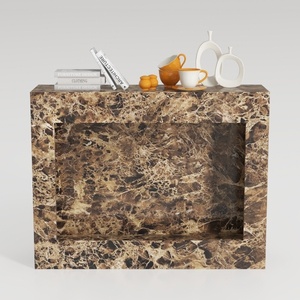
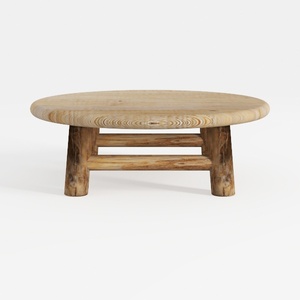
Homestyler is an ideal home design platform for anyone looking to transform their space. With its user-friendly online design tool, stunning 3D renderings, and comprehensive video tutorials, you'll find everything you need to inspire your creativity and make your dream home a reality.
Progetta ora GRATIS
































