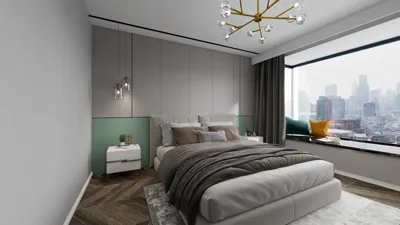


Interior design transcends mere furniture arrangement and color selection; it embodies an artistic expression that mirrors our values, lifestyles, and aspirations. At its essence, a philosophy of interior design strives to unite aesthetics with functionality, crafting environments that are not only visually appealing but also enhance our daily experiences. This philosophy is anchored in a deep understanding of the emotions and needs of the inhabitants, enabling designers to forge spaces that resonate personally with their clients. An essential element of this philosophy is the concept of balance. Much like the yin and yang symbolize harmony within nature, a well-thought-out interior achieves equilibrium among various elements—light versus dark, soft versus hard, modern versus traditional. Such balance fosters tranquility, rendering spaces inviting and comfortable. For example, utilizing natural light through expansive windows or well-placed mirrors can brighten a room, while warm textiles contribute to an overall cozy atmosphere. Additionally, the relationship between space and identity is another cornerstone of interior design. Our surroundings significantly affect our emotions and behaviors; thus, personal expression becomes crucial in this field. Designers should take into account the individual personalities of the space's occupants, integrating their preferences and tastes into the design. This may involve choosing colors that evoke uplifting feelings or selecting artwork that narrates the story of the inhabitants' lives. Sustainability is also gaining prominence in contemporary interior design philosophies. As environmental consciousness rises, designers actively seek to develop eco-friendly spaces. This approach includes the employment of sustainable materials, enhancing energy efficiency, and adopting biophilic design principles—an ideology that brings individuals closer to nature through the incorporation of natural elements. By prioritizing sustainability, interior designers have the potential to create visually stunning yet responsible spaces. Ultimately, the philosophy of interior design advocates for a holistic viewpoint that addresses both the physical and emotional dimensions of a setting. It compels designers to engage in creative and empathetic thinking, ensuring that every decision contributes positively to the atmosphere and functionality of the space. By embracing these principles, designers can elevate ordinary rooms into extraordinary environments that significantly enhance the lives of their occupants. In conclusion, interior design represents a sophisticated interplay of art and science, and its philosophy acts as a guiding principle for those aspiring to create impactful spaces. By grasping the concepts of balance, identity, and sustainability, designers can fashion interiors that not only fulfill visual criteria but also promote well-being and connectivity.
Tips 1:
To personalize your space more effectively, think about incorporating elements that showcase your interests and passions. Whether it’s a cherished artwork or a vibrant color scheme that energizes you, these personal touches can profoundly enhance the environment.
FAQ
welcome to Homestyler
Progetta ora GRATIS
































