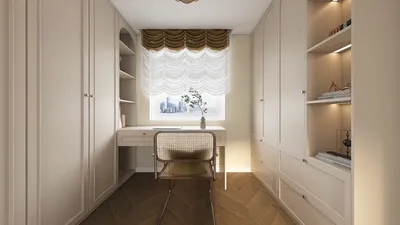


Temporary partitions can be both sturdy and aesthetically pleasing. By selecting quality materials and appropriate dimensions, you can enhance privacy, reduce noise, and manage foot traffic without risking your security deposit. In open-concept homes or compact apartments, even a modest visual barrier—about 30-40% coverage—can significantly improve comfort and behavioral patterns.
Two crucial findings inform my design strategy. Firstly, regarding acoustic comfort: research from Steelcase indicates that noise and insufficient privacy top the list of employee frustrations, with 85% of workers struggling to concentrate due to distractions—this same principle applies to residences with hybrid workspaces. Secondly, concerning lighting: the WELL v2 Light standard specifies that work areas require adequate brightness (generally between 300-500 lux) while minimizing glare, meaning any temporary walls should allow for natural light to flow and meet lighting standards, rather than merely obstructing views. Steelcase's expansive research library is valuable for a deeper understanding of how the environment impacts productivity, while WELL offers a useful checklist for ensuring high-quality light and visual comfort.
Key Guidelines Before Construction
I recommend five essential considerations: weight load, lateral stability, lighting, sound performance, and the ability to reverse changes. Avoid attaching anything to structural components without explicit permission; using compression systems and adhesive pads will be critical. Keep wall heights below 8 to 9 feet unless specifically designed for stability. Incorporate translucent or open modules wherever natural light is vital. For soundproofing, focus on mass and airtightness; even tiny gaps can significantly reduce sound insulation. Ensure that each component is easily removable and that walls are prepared to connect without damaging any underlying surfaces.
Standalone Panel Partitions (No Fastening Required)
Ideal for creating cozy sleeping areas, entryway buffers, and attractive backgrounds for video calls. I prefer a sandwich panel design: using 1/2" MDF or plywood faced with acoustic fabric, framed by a basic 2x2 pine structure. Add wide plywood feet (18"–24" long) at both ends, with felt pads underneath for stability. Maintain widths of 24"–36" and heights between 78"–84" for both stability and aesthetic flow. Create 1" spaces between panels for an attractive shadow line and for better cable management. Paint-grade MDF provides a sleek finish; adding felt or cork enhances sound absorption and utility for hanging items.
Compression Pole Partitions (Tension Mounts)
These are great for applications like photo backdrops or in compact living spaces. Use four to six vertical tension posts extending between the floor and ceiling, and lightweight frames or slatted panels can be attached using brackets. This method is quick, doesn’t leave permanent holes, and adjusts to uneven surfaces. For individual segments, keep widths less than 36". If your ceiling materials are delicate, distribute the load using rubber pads or plywood caps measuring 4"–6" across. Be cautious not to obstruct any fire safety systems.
Bookcase Partitions with Back Panels
Open bookcases generally fall short in soundproofing. By adding 1/4" hardboard or acoustic backing to the rear, you can convert sound diffusion into partial absorption. Unite bookcases together (rather than fastening to walls) using flat mending plates on the sides and a discreet steel base plate only attached to the furniture. Vary the heights between 72"–90" to promote good air circulation and light distribution. For a more open feel, leave the top 12" clear, glazing it with acrylic to let additional light in.
Sliding Track Partitions
Utilizing ceiling-mounted tracks with lightweight doors or fabric panels provides flexible separation options. If drilling into ceilings is prohibited, you can extend tracks from a perimeter frame supported by 2 or 3 compression poles. The panels can be made from fluted acrylic, polycarbonate, or linen stretched on aluminum frames. Aim for panels to be no heavier than 2 lb/sq ft; if they exceed that, you’ll require more robust rollers. Install bottom guides using low-profile surface-mounted channels secured with removable tape to prevent floor damage.
Grid and Crittall-Style Frames (with Acrylic Glazing)
Implementing a slender wooden or aluminum framework, fitted with 1/4" clear or frosted acrylic panels, allows for spatial separation without obstructing light levels. This is an effective choice for studio apartments—visually impactful, conducive to daylight, and easy to dismantle. Maintain mullion spacing between 10" and 16" for a harmonious look. Frosted acrylic at eye level aids in privacy while ensuring compliance with WELL standards for light distribution around nearby workspaces.
Acoustic Curtain Partitions
It's essential to choose the right curtains. Opt for multi-layered fabrics (weighing at least 12–16 oz/yd²) or true acoustic drapes featuring a dense core. Hang curtains on curved or S-tracks, allowing panels to overlap by 6"–12" at turns; this overlap minimizes sound travel. Mounting from the ceiling preserves vertical space; if drilling isn’t possible, consider compression posts fitted with curtain tracks. Adding a 1" space behind the curtain improves sound absorption at mid-range frequencies, which is key for speech clarity.
Modular Pegboard Dividers
Using perforated panels turns a simple divider into a multifunctional storage solution. I suggest mounting 3/4" plywood pegboard on a freestanding frame equipped with stabilizing feet. The grid of holes (typically spaced 1" apart) allows for attaching hooks, shelves, and plant holders. This setup is particularly effective between kitchens and living areas, offering a visual screen towards the lounge while keeping cooking supplies accessible. Seal the edges with durable hardwood for enhanced longevity.
Plant Partitions and Green Screens
Constructing slatted frames with trailing plants softens acoustics while introducing biophilic elements into the space. Arrange slats 1"–1.5" apart and weave in pothos or philodendron, which require minimal care for rapid coverage. The mass of foliage mitigates echo and aids in creating calming visual breaks—an impactful change that can enhance focus and relaxation areas.
Color, Illumination, and Material Considerations
The psychology of color plays an important role. Soothing greens and muted blues promote tranquility and mental clarity, while warm neutrals provide a sense of comfort—these colors can be effectively applied to the surfaces of your partitions that are most often in peripheral vision. Strive for matte finishes to manage reflections from daylight. When designing task areas behind partitions, target 300-500 lux at the work surface, ensuring that any translucent elements do not generate glare. Edge-light frosted acrylic for a soft glow while avoiding concentrated hotspots.
Ergonomics and Movement
The arrangement of partitions should facilitate movement rather than obstruct it. Aim for clear pathways of at least 36" where feasible, widening to 42" on main routes. Ensure that doors or sliding panels allow for an 18" pull area. If designing a micro-office, plan for desk dimensions of 24"–30" in depth, with a 36" clearance behind. Short returns of 12"–18" at the ends of a wall contribute to visual completeness and assist in noise reduction without enclosing the environment too tightly.
Renter-Safe Attachment and Dismantling
In cases where attachment is necessary, finish surfaces beforehand, use painter’s tape under metal components, and experiment with adhesives on sample pieces. Blue masking tape combined with a thin strip of removable mounting adhesive can stabilize base trim without leaving marks. Always document existing wall conditions with photos and measure baseboard heights; design bases that accommodate baseboards to avoid damage or instability.
Laying Out Your Space
Start by sketching sightlines, paths for natural light, and sources of noise. A swift layout simulation can help you avoid blocking vital systems like air returns, radiators, or sprinklers. If you're looking to visualize your layout options before making any purchases, consider using a room layout tool to experiment with wall placements, door openings, and natural light pathways in a virtual setting.
1) Cut two base plates measuring 24" x 12" from 3/4" plywood. 2) Construct a 2x2 frame matching your desired width and height, adding a middle rail at 36"–42". 3) Cover one side with 1/2" MDF for weight; affix 1/2" acoustic felt or cork on the opposite side. 4) Secure the frame to the base plates with countersunk bolts. 5) Attach adjustable levelers and place felt pads under each plate. 6) Paint or finish to your liking. 7) Finally, add a narrow cap at the top to neatly finish the appearance. Each module is lightweight, and linking two modules using a side spline will create a stable, attractive wall.
Safety, Regulations, and Airflow
Avoid obstructing exits or pathways leading to sleeping accommodations. Ensure that sprinklers are not impeded—maintaining an 18" clearance is crucial—while keeping return and supply vents unobstructed to prevent odors. If gas appliances are used, do not create enclosed areas without adequate combustion air. When unsure, pause to consult your building’s regulations.
Budget and Material Selections
For a freestanding felt-faced wall measuring 8' x 8', expect expenditures to range: lumber and sheet material between $180–$280, felt from $120–$250, hardware and feet costing $60–$120, and finishes approximately $40–$80. Although acrylic-glazed structures typically bring a higher price per square foot, their long-lasting value comes from efficient light distribution and a refined look. Choose FSC-certified plywood whenever possible and low-VOC paints for healthier indoor air quality.
Maintenance and Durability
Design with the intention of ease of replacement: using screw-fixed surfaces, removable trim, and modular bases simplifies repairs significantly. Felt panels can be spot-cleaned using diluted detergent, while acrylic surfaces should be maintained with microfiber cloths and non-ammonia cleaners to avoid fine cracks. Regular checks on levelers can help ensure everything remains level as floors shift over time.
When to Combine Strategies
Some of my most successful implementations blend a partial-height solid for mass with a glazed clerestory for light, paired with a curtain for adjustable privacy. This combination allows for tuning acoustic, visual, and behavioral needs throughout the day—precisely what is often necessary for small apartments and mixed-use households.
Frequently Asked Questions
Q1: Can a temporary partition really reduce sound?
A: Indeed, if constructed with sufficient mass and sealed properly. A double-layered panel made of MDF and felt, featuring tight perimeter seals, performs much more effectively than standard open shelving. While it may not reach the soundproofing level of a framed and insulated wall, it will definitely enhance speech privacy, which is crucial in shared living situations.
Q2: What is the ideal height for a temporary wall?
A: For homes with ceilings around 8'–9', a height of 78"–84" provides a good balance between privacy, sturdiness, and natural light. Taller walls effectively increase separation, but they also heighten glare risks and airflow problems unless designed with care.
Q3: Is it possible to set up a temporary wall without drilling into the structure?
A: Yes, you can achieve this by utilizing freestanding bases, compression poles, or furniture-connected frames. Large feet, rubber pads, and interlocking components enhance stability without the need for fasteners.
Q4: Which materials give the appearance of being “built-in”?
A: For a cohesive look, use paint-grade MDF with sharp edge banding, felt-covered acoustic panels, and sleek mullion frames filled with frosted acrylic. Consistently detailed trims and a shadow gap at the base can enhance the perception of intentional design.
Q5: How do I ensure natural light continues flowing?
A: Combine solid lower partitions with translucent upper panels. Utilize frosted acrylic or fluted polycarbonate to maintain 300–500 lux levels at desks, while effectively breaking direct lines of sight.
Q6: Are curtain dividers effective?
A: Yes, for visual privacy and some reduction in sound, especially when using heavier fabrics and overlapping tracks. They are ideal in scenarios requiring flexibility and rapid reconfiguration.
Q7: What clearances should I maintain for safe movement?
A: Aiming for a minimum of 36" is advisable; widen to 42" on primary thoroughfares. Ensure 18" of clear space when opening doors, and avoid blocking vents or sprinkler systems.
Q8: How can I quickly estimate a budget?
A: For a standard 8' wide partition, expect to budget $300–$700, based on materials and finishes chosen. Acrylic and aluminum frames have a higher cost, whereas felt-covered wood frames are middle-range, and curtains are the most economical option.
Q9: Do colors on walls influence mood?
A: Definitely. Soft greens and blues promote calm atmospheres; warm neutral colors create a welcoming feel. Utilizing low-sheen finishes helps to minimize glare and eye strain.
Q10: Can I reconfigure the setup later without starting over?
A: Yes, by designing with modular components that are 24"–36" wide. Incorporate spline connectors and reversible finishes, allowing panels to pivot, exchange, or enlarge easily.
Q11: What should I consider for small studios with just one window?
A: Utilize half-height solid partitions alongside clear or frosted clerestory designs, positioning walls perpendicular to the window to encourage light dispersion, and consider mirrors or shelves to enhance even illumination.
Q12: Are plant walls suitable for rental properties?
A: Absolutely, as long as they are constructed as freestanding structures. Choose resilient plants, incorporate waterproof trays, and place felt pads beneath bases to avoid floor damage.
Homestyler is your go-to online home design platform! With its user-friendly design tool, stunning 3D renderings, and a wealth of DIY video tutorials, you can effortlessly create and visualize your dream spaces. Transform your ideas into reality with Homestyler today!
Progetta ora GRATIS
































