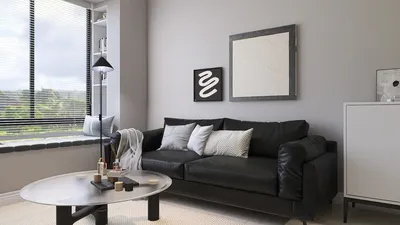


Combining teal and yellow creates a bold aesthetic in contemporary living spaces—vibrant, uplifting, and surprisingly refined when applied thoughtfully. I prefer using teal to establish a serene backdrop, while bright yellow accents enhance the ambiance and invigorate social interactions. This choice is informed by color psychology, which suggests that yellow fosters warmth and positivity, whereas deeper blue-green shades like teal promote concentration and stability. Ultimately, this pairing allows for a living room that is visually engaging and emotionally soothing.
Color goes hand in hand with lighting, which completes the overall ambiance. The Illuminating Engineering Society (IES) advises achieving 300–500 lux for general areas to ensure visual comfort and functionality. Similarly, the WELL v2 guidelines emphasize the necessity for glare control and effective color rendering for overall wellbeing. In spaces where teal and yellow are used together, I aim for an ambient light level of approximately 350–400 lux with a warm-white light in the 2700–3000K range for evening comfort, layering additional lighting as needed to keep teal vibrant and let yellow accents shine without overwhelming brightness.
Choosing the Right Color Balance: Teal and Yellow Proportions
My preferred formula is 60-30-10: 60% neutral tones (such as soft gray, creamy off-white, or warm taupe), 30% teal, and 10% yellow. This blending maintains a harmonious look while avoiding visual fatigue. Teal is excellent for statement walls, contemporary sofas, or built-in furniture, whereas yellow shines in movable items like pillows, artwork, or a sculptural lamp, allowing for seasonal adjustments. If you’re inclined towards bolder choices, you could shift to a 50-35-15 ratio, but ensure that neutral elements remain present for visual respite.
Understanding Natural Light and Color Temperature Effects
Daylight influences the perception of teal and yellow significantly compared to other color selections. In north-facing rooms, the cool light enhances teal's richness while softening yellow tones; conversely, south-facing rooms bring warmth, making yellow appear more golden and teal greener. I prefer sheer, glare-reducing window treatments that allow visibility while mitigating harsh contrasts. For artificial lighting, combine warm ambient fixtures (2700–3000K) with neutral task lighting (3000–3500K) situated near reading areas to maintain clarity. Maintaining a Color Rendering Index (CRI) of 90 or greater ensures teal’s vibrancy and prevents yellow from looking dull.
Refer to IES residential guidelines for lighting and glare management, and explore WELL v2 for additional metrics aimed at enhancing circadian rhythm and visual comfort.
Creating Functional Layouts That Enhance Interaction
A living room that incorporates teal and yellow flourishes when seating is aggregated and pathways are clearly defined. Typically, I establish a conversation area (8-10 feet in width) anchored by a teal sofa facing a media wall or fireplace, introducing yellow through an accent piece like an ottoman or reading lamp. To provide a cozy nook for quieter moments, I suggest a teal lounge chair situated by a window accompanied by a small yellow side table, allowing for unobstructed sight lines. To evaluate your options, consider utilizing a room planning tool to visualize clearance (ideally 36 inches for main walkways) and confirm the reach to coffee tables (16-18 inches from the seating edge).
Material Selection: How Texture Influences Color Perception
Teal can exude luxury when upholstered in velvet, durability in performance fabrics like chenille, and sleekness in matte finishes. I avoid high-gloss teal surfaces that face direct sunlight, as they can create glare that accentuates contrast. Yellow works wonderfully in matte ceramics, textured throws, and powder-coated metals; on walls, I suggest using warm, mid-tone yellows instead of bright neons. Incorporating grounding materials like oiled oak, travertine, or charcoal-stained ash can soften the palette and provide tactile serenity.
Enhancing Acoustic Comfort in Vibrant Spaces
Lively color schemes benefit from acoustic treatments. Luxurious area rugs (minimum 8x10 feet for standard seating areas), upholstered wall panels behind media centers, and lined drapes can dampen sound while preserving the energetic flow. If ceiling heights are generous, consider adding a felt or wood-slatted ceiling feature to enhance acoustics without compromising the open feel. A quieter environment allows the deep tones of teal and the brightness of yellow to resonate more effectively.
Layering Lighting to Highlight Teal and Yellow
I recommend three distinct lighting layers: ambient (such as recessed ceiling lights, linear cove lighting, or large drum pendants), task (like a swing-arm lamp providing 500-700 lux for reading), and accent (using picture lights, wall washers, or dimmable LED strips on shelves). Position yellow elements where accent lighting can highlight them; even a small wash can illuminate a ceramic piece beautifully. Using dim-to-warm LED drivers helps transition the mood from dinner gatherings to movie nights seamlessly, without dulling the brightness of teal.
Exploring Color Psychology and Behavioral Design
The tranquil nature of teal positions it perfectly for larger surfaces—sofas, area rugs, or walls—playing a vital role as a psychological cornerstone. Meanwhile, yellow is best situated near activity zones like bar carts, gaming tables, or entryways. In open-concept spaces, a teal panel wall can indicate a lounging area, while a yellow pendant light over the dining table encourages conversation and enhances appetite. This approach embraces subtle behavioral design, gently guiding interactions without being overt.
Contemporary Styles that Exemplify Teal and Yellow
- Mid-century modern: Teal couches complemented by walnut furniture, brass details, and mustard-yellow throw pillows.
- Scandinavian minimalism: Teal textiles, pale ash wood accents, butter-yellow lamps, and ample natural light.
- Contemporary art-focused: Teal lacquered built-ins with curated yellow art pieces; avoid overly competitive furniture.
- Urban loft: A large teal sectional paired with industrial black metal accents and a single striking yellow chair as a focal highlight.
Mastering Scale, Proportion, and Visual Harmony
Larger teal elements anchor the room, while smaller doses of yellow add visual interest. Use expansive teal areas (like walls, sofas, and rugs) to bring stability, and distribute yellow accents at varied heights—on tabletops, at mid-range, and eye level—to establish rhythm. If the space feels chaotic, consider reducing the number of yellow accessories or consolidating them into one prominent sculptural piece.
Strategic Floor Plan Suggestions
Maintain clear sight lines: position a teal anchor (such as a sofa or media unit) along the room’s length, balancing with lighter elements to reduce heaviness. Pull seating at least 12 inches away from walls in small spaces to enhance flow. If foot traffic disrupts the conversation area, place yellow highlights out of high-traffic routes, presenting them as intentional accents instead of obstacles. A simple pass with an interior design planner can assist in measuring reach, clearance, and the interaction of colors across different zones.
Sustainability Considerations
Opt for low-VOC paints in both teal and yellow to maintain a healthy indoor environment. Fabrics made from recycled polyester ensure longevity while preserving vibrant colors under sunlight. Choose solid wood items certified by FSC and utilize waterborne finishes for sustainability that aligns with aesthetic appeal.
Common Challenges and Their Quick Solutions
- Overwhelming color saturation: If the space feels cluttered, remove a yellow item and replace it with a neutral throw or artwork that includes plenty of negative space.
- Dull lighting: If teal appears lackluster, consider upgrading the CRI or adding warm accent lights; conversely, if yellow looks overly bright, diffuse it with a fabric lampshade and reduce intensity.
- Disproportionate scale: If a teal sofa feels dominant, counterbalance it with a large light-colored rug and a taller, neutral bookcase to elevate visual interest.
Frequently Asked Questions
Q1. What is the ideal percentage of yellow to use in a teal-dominant space?
Aim to incorporate around 10-15% of your visual field with yellow. Exceeding this can create an uneasy atmosphere. It's best to keep yellow mainly as seasonal accents for flexibility.
Q2. What are the optimal lighting specifications to maintain rich teal and warm yellow tones?
Target an ambient light of 350-400 lux at 2700-3000K with a CRI of 90+. Pair with 500-700 lux task lighting for reading and soft accent lighting to enhance yellow elements.
Q3. What wall color complements teal furnishings effectively?
Choose soft warm gray, creamy off-white, or pale greige to stabilize the saturation of teal and allow yellow accents to stand out without harsh contrasts.
Q4. How should one address the challenges of cool north-facing rooms?
Introduce warmer shades of teal, complemented by buttery yellow textiles, and utilize warmer lighting (2700K). Incorporating textured materials such as oak, wool, or boucle adds a layer of tactile warmth.
Q5. Which materials work harmoniously with teal and yellow for a modern look?
Consider using velvet or performance fabrics for teal upholstery, matte ceramics, and powder-coated metals for yellow accents, along with natural woods and stone to provide balance.
Q6. Is it feasible to use teal and yellow in compact living rooms?
Absolutely—use teal as a major anchor (like a sofa or rug) and limit yellow to smaller accents. Ensure furniture floats and maintain clear pathways of 30-36 inches for effortless movement.
Q7. How can one maintain comfortable acoustics in vibrant color schemes?
Incorporate a substantial area rug, lined drapery, and upholstered panels. These elements mitigate sound reflection, allowing clear conversation without raising the volume.
Q8. What is a gentle way to introduce yellow for those hesitant about color?
Start with a singular sculptural lamp or subdued art piece in muted mustard. Evaluate its presence under varying light conditions; if it feels balanced, consider adding a second accent.
Q9. Are there wellness factors related to color and lighting to consider?
Indeed. Managing brightness, minimizing glare, and ensuring a high CRI enhances comfort. Incorporating teal’s calming effects alongside strategic use of yellow can encourage relaxed social interactions.
Q10. How can I avoid glare from glossy teal finishes?
Opt for matte or satin finishes and use indirect lighting strategies. Direct fixtures should be positioned to wash surfaces instead of creating harsh highlights.

Minimalist Fabric Wooden Loveseat Sofa 3D Model

HOOBRO Dining Bench, 47.2 Inch Industrial Style

Modern Two Tone Velvet Tufted Sectional Sofa 3D Model
Homestyler is your go-to online home design platform! With its easy-to-use design tool, stunning 3D renderings, extensive design projects, and helpful DIY video tutorials, it makes transforming your space simple and fun. Start designing your dream home today!
Design Now for FREE
































