

Direct Answer
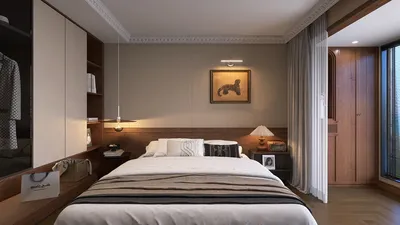
Contemporary interior design trends within sustainable master planned communities emphasize the use of organic materials, energy-efficient configurations, biophilic concepts, and seamless integration of smart home technology. These neighborhoods focus on interiors that minimize environmental impact while enhancing comfort, natural lighting, and long-term livability.
Design professionals are increasingly blending sustainability, wellness, and adaptable spatial planning to craft residences that harmonize with the environment rather than oppose it.
Quick Takeaways
Introduction
Over the last ten years, I have contributed to numerous residential projects balancing aesthetic appeal with genuine environmental responsibility. My key insight: interior design trends in eco-friendly communities start less with decoration and more with a home's functional performance.
Eco-conscious master planned developments, such as solar-powered villages and conservation-oriented neighborhoods, are reshaping homeowners' expectations of interior spaces. Today’s clients pose different questions compared to a decade ago—moving from "What cabinet color suits best?" to "How can my home naturally stay cool?" or "Which materials endure without harming the planet?"
Many projects now integrate digital design tools from the earliest stages, enabling homeowners to visualize sustainable layouts before building commences. For those interested in seeing how designers explore spatial arrangements and materials during concept development, this guide on how designers use Homestyler to visualize eco interiors during early design phases offers a compelling behind-the-scenes perspective.
Notably, sustainability has subtly shifted aesthetic preferences; homes in environmentally-focused communities differ significantly from traditional suburbs. These residences feel lighter, foster a stronger connection to nature, and generally offer greater flexibility for modern lifestyles.
Below are the key transformations shaping interior design inside sustainable master planned communities today.
save pin
The Rise of Sustainable Master Planned Communities
Key Insight: Sustainable neighborhood developments influence interior design because the entire district is engineered around environmental efficiency rather than focusing solely on individual houses.
Conventional suburbs tend to design homes first and then layer infrastructure. In contrast, sustainable master planned communities invert this model. Infrastructure elements like energy grids, transit systems, solar orientation, water conservation, and green pathways are strategized prior to building any homes.
Such holistic planning directly impacts interior layouts and design choices.
Common priorities at the community scale include:
Since homes are deliberately positioned to optimize daylight and natural airflow, interior floorplans often incorporate:
The Urban Land Institute has repeatedly recognized master planned sustainable developments as one of North America’s fastest-growing housing segments. Designers working within these communities must prioritize long-term environmental function as much as aesthetics.
How Eco Communities Influence Interior Design Choices
Key Insight: Interior design within eco-conscious communities emphasizes functional performance over pure decoration.
A typical misconception is that sustainable interiors mainly involve bamboo floors or recycled furnishings. In truth, the most critical design choices occur during the layout planning stage.
Three primary design strategies predominate these homes:
Many design firms now digitally prototype these spatial arrangements before breaking ground. Homeowners experiment with zoning and traffic flow to identify inefficiencies early. For instance, this walkthrough illustrating how residents use Homestyler to test room configurations before finalizing a sustainable floor plan showcases techniques for optimizing daylight and movement.
Well-executed eco homes often feel more streamlined than conventionally built counterparts—featuring fewer internal walls, fewer unnecessary rooms, and a stronger indoor-outdoor connection.
save pin
Popular Materials Used in Sustainable Home Decor
Key Insight: The most effective sustainable interiors depend on a smaller selection of higher-grade, durable materials.
When clients seek eco-conscious décor, I typically begin by discussing longevity. The greenest material is frequently the one with the longest lifespan.
Currently favored eco-friendly interior materials include:
An often underrecognized trend is the importance of texture. Natural materials introduce variations and warmth that manufactured surfaces cannot replicate, enriching the sensory experience.
Maintenance costs also deserve attention; some popular green materials require frequent treatment or special upkeep. Experienced designers balance sustainability with practical considerations, ensuring no hidden lifetime expenses arise.
Biophilic Design and Nature Integration Indoors
Key Insight: Biophilic design elevates both environmental efficiency and occupants’ wellbeing.
Biophilic interior strategies have moved well beyond adding decorative plants. In sustainable communities, nature is often woven directly into architectural elements.
Common biophilic features encompass:
Studies in environmental psychology, including research from the University of Oregon, reveal that exposure to natural light, green plants, and organic materials enhances mood, productivity, and sleep quality.
Practically, biophilic interiors often emphasize visual tranquility through reduced synthetic finishes, softer color palettes, and increased daylight exposure.
save pin
Technology and Smart Home Decor Integration
Key Insight: Smart home technologies have become fundamental infrastructure components within sustainable interiors.
A notable trend is the stealthy incorporation of technology. Early smart homes showcased gadgets as focal points, but today’s best green homes discreetly embed devices within structural design.
Common integrated smart systems feature:
Visualization tools have advanced substantially; many developers offer photorealistic renderings pre-construction to help buyers understand the tangible experience of sustainable interiors. This example illustrating how realistic home renderings with Homestyler enable visualization of eco-friendly designs before building highlights why such previews are becoming a standard in residential projects.
save pin
Answer Box
Sustainable master planned communities are transforming interior design by uniting natural materials, daylight-optimized layouts, biophilic principles, and embedded smart technologies. This fusion creates homes that are healthier, energy-conscious, and better suited to evolving living patterns.
Future Trends in Sustainable Residential Interiors
Key Insight: Tomorrow’s sustainable interiors will emphasize adaptability and enduring resilience.
Looking forward, multiple emergent design directions are poised to influence the next generation of eco neighborhoods.
Key trends garnering designer attention include:
In my experience, the most successful sustainable homes transcend energy efficiency alone; they remain functional for decades. Flexible interiors that evolve with changing lifestyles will likely define the future of housing.
Final Summary
FAQ
What are sustainable interior design trends in residential communities?
They incorporate biophilic design, natural materials, daylight-optimized floorplans, and integrated smart energy solutions that reduce environmental footprints.
Why do master planned communities influence interior design?
Because infrastructure elements like solar orientation, walkability, and energy distribution systems dictate how homes are designed internally.
What materials are commonly used in eco-friendly home decor trends?
Materials such as FSC-certified wood, reclaimed timber, recycled glass surfaces, clay plaster finishes, and low-VOC paints are prevalent.
How does biophilic interior design operate in residential settings?
It merges natural daylight, vegetation, organic materials, and outward views to deepen occupants’ connection with nature.
Are sustainable interiors more costly?
While some materials incur higher upfront costs, their durability and energy savings often reduce total long-term expenses.
What role does technology have in sustainable homes?
Systems such as smart climate control, energy monitoring, and automated shading enhance both efficiency and comfort.
What are the future design trends for eco-friendly housing interiors?
Expect modular spaces, carbon-neutral materials, and more comprehensive integration of smart home technologies.
Can small residences implement sustainable interior design strategies?
Absolutely. Efficient layouts, ample natural light, durable materials, and biophilic elements are especially effective in compact homes.
References

Fluted Storage Cabinet, 31.5“ Wooden Sideboards
DUOMAY Modern Boucle Dining Chairs Set of 2,

Modern Solid Wood Brass Accent Single Drawer Coffee Table 3D Model
Homestyler offers an easy-to-use online design tool with stunning 3D renderings, inspiring interior projects, and helpful DIY video tutorials. It’s perfect for anyone looking to create and visualize beautiful home designs effortlessly.
Concevez maintenant gratuitement
































