

Direct Answer
Innovative and eco-conscious interior solutions merge sustainable materials, energy-saving designs, and integrated smart home technology to minimize ecological footprints while enhancing everyday comfort. The best strategy incorporates responsible material selection, efficient spatial planning, and intelligent systems that optimize lighting, temperature, and power consumption.
Effective sustainable design goes beyond merely purchasing "green" products; it involves crafting spaces that naturally use fewer resources over the long run.
Quick Takeaways
Introduction
Throughout my decade-long career as an interior designer, sustainable home decor has evolved from a niche interest to a mainstream expectation, particularly in environmentally conscious neighborhoods and planned communities. Homeowners increasingly seek interiors that embody environmental ethics without compromising style, comfort, or technological integration.
The challenge lies in the fact that many items promoted as sustainable home decor only partly meet eco-friendly criteria. Some utilize recycled components but demand energy-intensive production, while others require long-distance transportation and are replaced frequently.
A more effective approach is to design interiors using environmentally responsible materials with lasting quality, coupled with smart decor solutions that help conserve energy daily.
Before investing in furniture or fixtures, numerous designers now rely on digital visualization tools to test layouts, reducing waste and the need for costly revisions. If you’re embarking on a sustainable interior project, visualizing eco-friendly arrangements through platforms like Homestyler can provide valuable insights before purchasing.
This guide delves into practical strategies for creating eco-conscious interiors—from durable materials to intelligent systems that discreetly lower energy consumption.
save pin
Why Sustainability Matters in Home Decor Choices
Key Insight: Interior design’s environmental impact is influenced more by how often items are replaced than by their original materials.
Many believe sustainability is about picking the "greenest" product on the shelf, but in truth, longevity plays a bigger role. A couch replaced every five years causes a greater ecological burden than one lasting two decades.
Research by the American Society of Interior Designers consistently reveals that residential renovations generate substantial waste, primarily due to furniture wearing out prematurely.
Factors that enhance sustainable interior design include:
In essence, sustainability in design means creating spaces that adapt over time rather than being frequently overhauled.
Eco-Friendly Materials for Furniture and Accessories
Key Insight: The optimal eco-friendly design materials are renewable, robust, and involve minimal chemical treatments.
Based on numerous residential projects, certain materials consistently excel both environmentally and aesthetically.
Leading sustainable material options include:
save pin
A common error is selecting eco materials demanding high upkeep. For instance, untreated wooden countertops may offer natural beauty but often require frequent replacement with heavy use.
Durability must always be a priority in sustainability considerations.
Avoiding Decor Products With Hidden Environmental Impact
Key Insight: Some "eco" products contribute more to environmental harm due to transportation, adhesives, or short useful life.
One frequently overlooked challenge is that items labeled "green" sometimes conceal significant environmental costs hidden within their supply chains.
Warning signs to identify include:
I advise clients that any product designed to last under ten years likely isn't truly sustainable.
Answer Box
The most sustainable interior design integrates long-lasting materials, energy-efficient layouts, and smart home systems that curtail daily resource consumption. Making durable design decisions generally has a more significant environmental benefit than simply opting for individual eco-labeled products.
Integrating Smart Home Technology Into Interior Design
Key Insight: Smart home technologies enhance sustainability only when embedded into the overall home layout and everyday habits.
Many smart homes fall short on environmental benefits because technology is added post-design, limiting its effectiveness.
However, when technology is planned early, it contributes simultaneously to comfort and efficiency.
Examples of smart systems promoting sustainable living include:
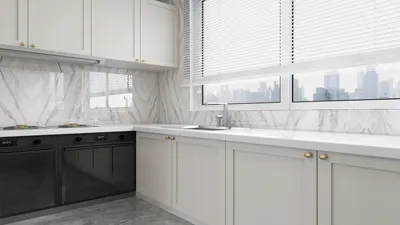
In kitchen remodels, layout choices substantially impact energy efficiency. Tools like Homestyler allow homeowners to experiment with appliance placement and workflow before finalizing cabinetry or appliance purchases.
save pin
Decor That Supports Energy Efficiency
Key Insight: Certain decorating choices significantly affect a home’s heating, cooling, and lighting demands.
While decor often seems purely aesthetic, it also influences how a home manages light and temperature.
Energy-saving home decor techniques consist of:
In warm climate projects I've designed, merely rearranging furniture to enhance ventilation noticeably reduced cooling costs during hot seasons.
save pin
Responsible Shopping Tips for Sustainable Interiors
Key Insight: Ethical decor shopping emphasizes durability, repair potential, and sourcing locally over chasing fleeting trends.
Sustainable interior designs typically emerge from careful planning rather than impulsive purchases. Environmentally responsible homes usually evolve organically with intentionally chosen items.
Helpful purchasing strategies include:
Previewing the entire room using realistic 3D design tools, such as Homestyler, before making major investments helps avoid expensive later adjustments and guarantees proper fit for each item.
Final Summary
FAQ
What is sustainable home decor?
Sustainable home decor incorporates environmentally responsible materials, sturdy furniture, and energy-conscious design tactics to minimize ecological footprints.
Which materials are ideal for eco-friendly interior design?
Materials like bamboo, reclaimed wood, cork, recycled metals, and organic fabrics stand out as dependable eco-friendly options.
Does smart home technology aid sustainability?
Absolutely. Devices like smart thermostats, adaptive lighting, and energy monitoring systems can greatly diminish electricity and heating consumption.
Is recycled furniture always sustainable?
Not necessarily. Sustainability also hinges on factors such as durability, transport distance, and expected lifespan.
What are the most energy-efficient home decor options?
Items like thermal curtains, reflective paint colors, layered lighting, and strategic mirror placement help improve home energy efficiency.
How can I begin designing a green living interior?
Start by selecting durable furnishings, natural materials, and layouts that maximize natural light and airflow.
Are sustainable interiors more expensive?
While initial expenses may be higher, durable materials and energy savings typically reduce costs over time.
How do I verify if decor products are truly eco-friendly?
Investigate the origins of materials, transparency during manufacturing, product lifespan, and possibilities for repair or recycling.
References
American Society of Interior Designers (ASID)
U.S. Green Building Council
Environmental Protection Agency Sustainable Materials Management
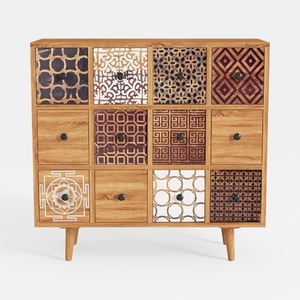
Bohemian Solid Wood Multidrawer Accent Cabinet With Patterned Fronts 3D Model

Minimalist Fluted Solid Wood 6 Drawer Dresser 3D Model
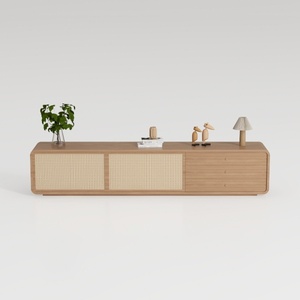
Walker Edison Sasha 4-Door Sideboard Buffet with
Homestyler offers an easy-to-use online design tool, stunning 3D renderings, and a vast collection of interior design projects. With helpful DIY video tutorials, it’s the ideal platform to bring your home decoration ideas to life effortlessly. Give your space a fresh new look today!
Concevez maintenant gratuitement
































