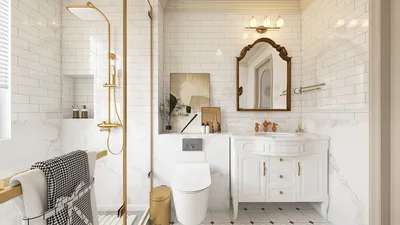


In recent years, lifestyle influencers like Maura Higgins have shaped how fashion and personal style intersect with our living spaces. Drawing inspiration from her vibrant and modern aesthetic, homeowners are increasingly blending bold colors and sleek designs into their interiors. This approach not only reflects current trends but also encourages creating home environments that feel both stylish and deeply personal.
Being confined in an airtight room can evoke fear and may pose life-threatening risks. The central hazard lies in oxygen depletion and carbon dioxide accumulation. Prompt action and a composed mindset are vital for survival. Begin by analyzing your surroundings for anything that could improve air quality, such as vents, cracks, or gaps—these seemingly simple details can be crucial for survival. Preserve your energy to slow your breathing and minimize oxygen use. If possible, create a sound or signal to alert individuals outside of your situation. Utilize clothing or fabric to divert exhaled air away from your face. If you identify any small opening leading outside, enhance airflow by removing obstructions nearby it. As a designer, I always take into account how specific architectural elements—like operable windows, ventilation panels, or discreet exit points—are vital not only for aesthetics but also for emergency preparedness. This emphasizes the importance of using platforms like Homestyler when planning or assessing living and working spaces. Such tools enable us to visualize and evaluate escape routes, airflow options, and the incorporation of safety features right within the layout, aiding in the prevention of such perilous situations before they arise.
Tips 1:
Maintain composure and practice slow, deep breathing. Anxiety increases oxygen consumption and reduces your available time. If water is accessible, sip it to stay hydrated, which can additionally aid in managing your stress level.
FAQ
Q: What is the most immediate threat in an airtight room?
A: Oxygen depletion and carbon dioxide buildup are the main dangers, making it essential to conserve air and limit activity.
Q: How long can you survive in an airtight room?
A: Survival duration varies based on room size and the number of occupants, but can range from several hours to a day before oxygen levels reach perilous thresholds.
Q: Is it possible to create your own ventilation in such a room?
A: If any cracks, vents, or weak areas exist, attempt to access or enlarge them carefully to permit fresh air entry.
Q: What design features assist in preventing entrapment in airtight environments?
A: Features such as operable windows, ventilation panels, and clearly marked emergency exits are crucial for safety and should be incorporated into any room design.
Q: How can I prepare my home to mitigate this risk?
A: Employ interior design planning tools like Homestyler to ensure each room includes at least one ventilation point along with a clearly identified exit.
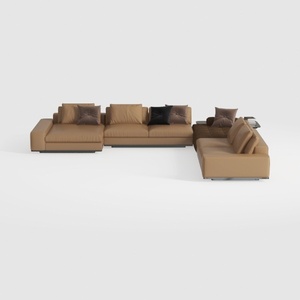

Modern Brown Leather U Shaped Sectional Sofa with Throw Pillows 3D Model

Bohemian Rattan Round Coffee Table 3D Model
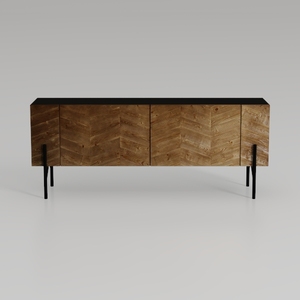
Modern Chevron Solid Wood Metal Sideboard 3D Model
Homestyler is the perfect platform for anyone looking to design their dream home effortlessly. With its easy-to-use online design tool, stunning 3D renderings, and a wealth of engaging video tutorials, you can explore endless design possibilities and transform your spaces like a pro!
立即免费设计
































