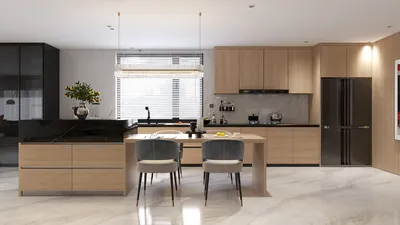


One of my clients once envisioned their laundry area as a sophisticated Parisian salon, complete with an elegant chandelier hanging above the washer. I could hardly contain my surprise, but we transformed that space into a compact yet stylish area that we are both proud of. If you're seeking visual inspiration to get your project underway, be sure to explore the room layouts gallery that I frequently utilize with my clients, featuring the intuitive design tool Homestyler.
Designing for small areas indeed stimulates inventiveness, and laundry rooms are a prime example. Below, I will present five visually-driven inspirations that I have sketched, photographed, and constructed for real clients, alongside the minor compromises associated with each suggestion.
1. Compact Cabinet Wall with Fold-Down Ironing
I truly appreciate a full-height cabinet setup that includes a fold-down ironing board—streamlined designs cleverly conceal clutter while providing a functional workspace without occupying valuable floor space. The advantages include abundant hidden storage and an organized appearance; however, it does come with a slightly increased cabinetry cost and demands precise measurements to ensure the board folds smoothly.
Tip: Utilize shallow upper cabinets combined with deep lower drawers to keep bulky laundry products accessible while neatly storing linens.
save pin
2. Stacked Washer/Dryer in a Narrow Nook
Positioning appliances in a narrow closet by stacking them is a classic strategy I often recommend to clients with limited space. This arrangement opens up the floor for a slim counter or a compact folding station, and it looks quite appealing when accented with beadboard or a vibrant wallpaper panel.
It's worth noting that noise and vibration can be more pronounced with this setup, so consider investing in anti-vibration pads and a robust shelf for stability when stacking. To achieve a cohesive look, ensure the closet door matches the surrounding millwork.
save pin
3. Sink + Folding Counter with Open Shelves
I find that images of laundry rooms featuring a spacious utility sink paired with a continuous folding counter always make their way onto my inspiration boards. The sink is perfect for handling everything from dirty boots to pet baths, while open shelving above keeps everyday items in view, providing a charming touch when well-styled.
The challenge with open shelves lies in maintaining tidiness—small baskets or clearly labeled bins can be lifesavers here. If you wish to visualize a functional layout before any purchases, consider using Homestyler to drag-and-drop designs and understand how a similar layout might blend into your home seamlessly.
save pin
4. Mudroom-Laundry Combo with Bench Seating
Integrating a laundry zone with a mudroom bench is one of my preferred multifunctional approaches. Photos that illustrate a bench with storage for shoes below, hooks above, and appliances neatly tucked away behind a half-wall convey a perfect balance of family-friendliness and low maintenance.
While it takes a bit more effort initially to plan for plumbing and electrical around a bench setup, the major convenience for busy families is worth it. Opt for durable upholstery and easy-to-clean cushions for the bench to maintain a fresh look over the years in photos.
save pin
5. Vertical Pegboard Wall for Tools and Cleaning Gear
A pegboard wall adorned with neatly arranged tools, brooms, and baskets can transform a practical wall into an eye-catching feature. I implemented this design in a recent renovation, and the before-and-after photos sparked calls from the clients' friends seeking similar ideas.
The downside is that pegboards demand discipline to keep organized, but they are super affordable and infinitely adaptable; hooks, baskets, and shelves can be swapped as your needs evolve. To visualize the potential of a finished space, I often demonstrate high-resolution 3D renderings using Homestyler, allowing clients to see their designs clearly.
save pin
FAQ
Q1: What are the best floor materials for laundry rooms?
Typically, I select large-format porcelain tiles or sealed concrete—as both handle moisture effectively and photograph beautifully. Opt for non-slip finishes and warmer tones if you wish for cozy-looking images.
Q2: How much counter space do I need for folding?
A continuous counter depth of 24 to 36 inches provides ample space for folding clothes and suits most small laundry setups. A 30-inch stretch appears striking in photos and functions well for most families.
Q3: Can I install a washer and dryer in my basement or under the stairs?
In many cases, yes, but it's essential to verify local building codes related to venting and drainage. I always advise having a licensed plumber inspect the area to prevent unexpected issues.
Q4: Is investing in noise reduction for appliances worthwhile?
Absolutely—especially in open-concept homes. Using anti-vibration pads and choosing front-loading models with low dBA ratings can enhance both photos and everyday living. Energy-efficient models also contribute to lower utility costs over time.
Q5: How can I create the illusion of a larger laundry room in photos?
Implementing mirrored or glossy cabinet fronts, incorporating bright overhead lighting, and maintaining a cohesive color scheme can visually enhance the space. Keeping floors and counters clear in photographs emphasizes a feeling of openness.
Q6: Are stackable machines less efficient?
Contemporary stackable units are generally comparable in efficiency to side-by-side versions, although their capacity might be slightly reduced. Opt for ENERGY STAR-certified models for verified efficiency; refer to energy guidelines at ENERGY STAR (https://www.energystar.gov/) for specific details.
Q7: What type of lighting is ideal for laundry rooms?
I recommend layering overhead LED lighting for general illumination, adding under-cabinet strips for task areas, and considering a warm-tone accent fixture if the room will appear in photographs. Effective lighting ensures even the smallest rooms come across as intentional.
Q8: How do I maintain a practical yet stylish design in a functional space?
To strike a balance between aesthetics and function, consider concealing detergents behind cabinet doors while showcasing durable, attractive baskets and neatly folded towels. I always advise my clients: showcase what you utilize most frequently and keep the rest out of sight.
Homestyler is your go-to online platform for effortless home design. With its user-friendly design tool, stunning 3D renderings, and a wealth of DIY video tutorials, you can easily transform your space and unleash your creativity. Start designing your dream home today!
立即免费设计
































