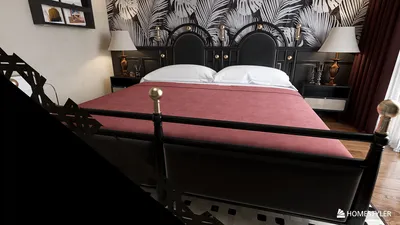


I once placed a charming velvet loveseat in a client’s living room, drawn in by its cuteness on paper—only to find their elderly cat had taken it over as its domain, obstructing access to the TV remotes. This experience taught me two essential lessons: small spaces require functional solutions, and a petite loveseat can significantly transform a room's ambiance. If you're searching for effective room layout inspirations, let’s explore five loveseats that truly work, along with valuable, real-world tips I've gathered from experience while utilizing tools like Homestyler.
1. Slim-armed classic loveseat
I appreciate the slim-armed design, which maintains open sightlines and adds visual lightness to the area. The benefit is clear: it accommodates two people without consuming walking space. However, the trade-off lies in slightly less cushioned arm support for leaning. Budget advice: opt for high-resilience foam cushions for durability—more affordable sofas tend to flatten quicker than anticipated.
save pin
2. Armless, modern two-seater
Armless loveseats are my preferred choice when versatility is needed; they seamlessly fit into tight spaces and pair beautifully with side poufs. This style presents a sleek and contemporary look, though some individuals might miss having armrests for lounging. In a compact living room I designed, this option allowed for smooth traffic flow from seating to the entrance—just remember to incorporate small side tables to hold your beverages.
save pin
3. Loveseat with built-in storage
When floor space is at a premium, storage becomes invaluable. A loveseat featuring under-seat drawers or a hinged top can cleverly conceal blankets and remotes, maintaining a tidy environment. The downside is typically a higher price point and occasional bulkiness when moving—so consider a modular setup early on and use space planning templates to visualize your choices before purchasing.
save pin
4. Convertible loveseat or sleeper
For those who occasionally host overnight guests, a convertible loveseat offers the practicality of serving as both a sofa and a bed. This functionality is particularly beneficial in studio apartments, but be aware that comfort levels can vary significantly among different mechanisms—always test out the mattress or cushion in person. I once suggested a popular fold-out model to a client who enjoyed entertaining; they sacrificed a bit of seating softness for a remarkable increase in functionality.
save pin
5. Curved or corner loveseat for cozy nooks
Curved loveseats snugly fit into corners, creating an intimate setting perfect for engaging conversation, especially in awkward alcoves. They give a custom feel to a small room, making it appear designer-tailored, although they can be harder to find and sometimes pricier. To visualize the setup and avoid costly mistakes, I frequently use 3D render previews with Homestyler, allowing clients to 'experience' the room digitally before making a commitment.
save pin
FAQ
Q1: What dimensions are ideal for a small loveseat?
A: The majority of small loveseats measure between 48–66 inches (120–170 cm) in width. Be sure to measure your room and leave at least 30–36 inches of clearance in pathways for comfortable movement.
Q2: Which fabrics work best for high-traffic small living rooms?
A: Opt for durable, tightly woven materials like performance polyester or specially treated blends that resist stains and wear. Leather can be easily cleaned but may feel warm; it’s wise to test swatches in your home lighting before making a decision.
Q3: Are storage loveseats worth the investment?
A: Absolutely, especially if you're lacking closet space. They help maximize floor area and minimize clutter, though you may face a slightly increased cost and extra weight when relocating.
Q4: How do I choose color and pattern for a small room?
A: Using lighter neutrals can enlarge visual space; small-scale patterns add character without overwhelming the area. I often recommend a striking accent alongside a cohesive loveseat color that matches surrounding textiles.
Q5: Can a convertible loveseat be as comfortable as a regular sofa?
A: Many are designed for comfort, but experience can differ based on the mechanism and mattress thickness. Always try them out in person if feasible and seek reviews that focus on long-term comfort.
Q6: How should I position a loveseat in a narrow living room?
A: Position it slightly away from the wall to facilitate circulation, or align it along the longest wall to maximize open space. Using small side tables or nested stools can keep the layout adaptable.
Q7: Any authoritative sizing guidance I can follow?
A: Architectural Digest, along with many professional designers, recommend comparing sofa dimensions against doorways, elevators, and room proportions before purchasing. Check out their guide on measuring and selecting sofas here: https://www.architecturaldigest.com/story/how-to-choose-a-sofa.
Q8: How can I test layout options without heavy lifting?
A: Use straightforward templates on paper or digital design tools to sketch furniture layouts to scale; this prevents unforeseen issues when the delivery arrives.
save pin
Homestyler is your go-to online home design platform! With its user-friendly design tool, stunning 3D rendering, and a wealth of DIY video tutorials, you can effortlessly bring your interior visions to life. Whether you're a beginner or a pro, Homestyler inspires creativity at every step.
Desain sekarang Gratis
































