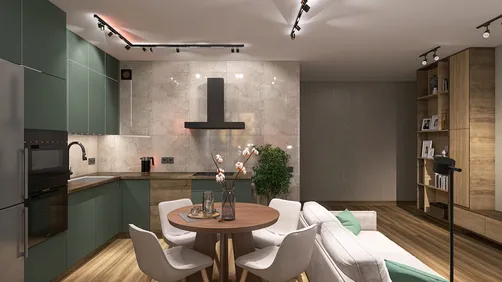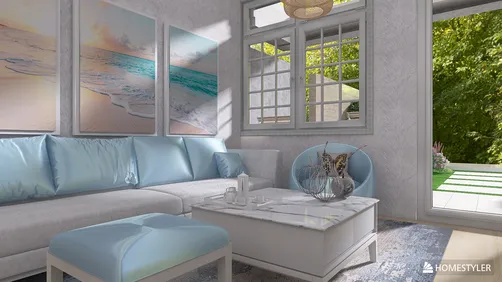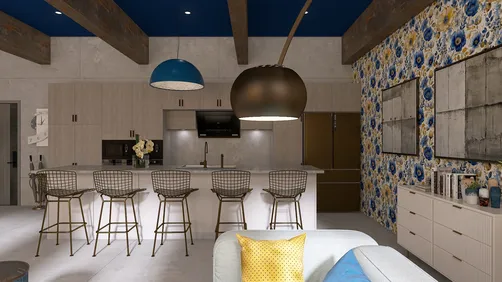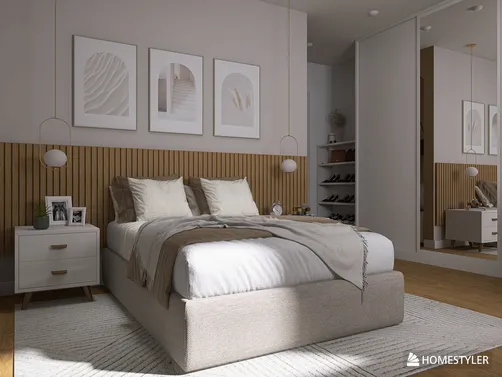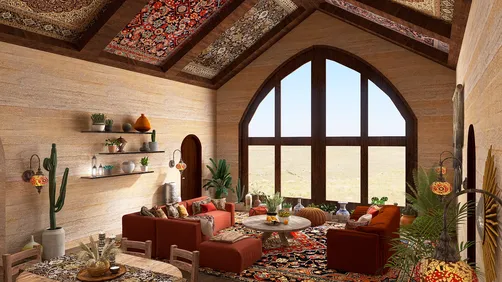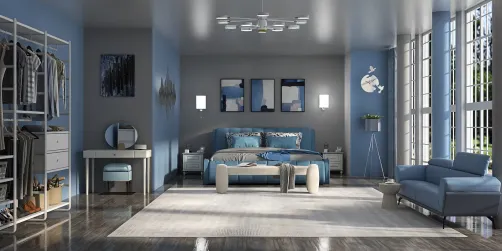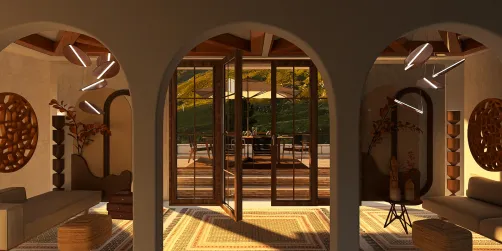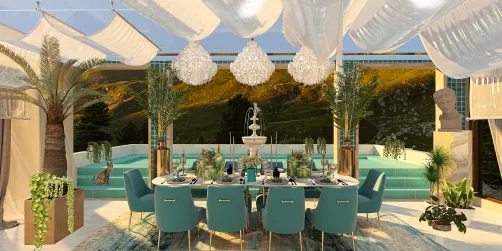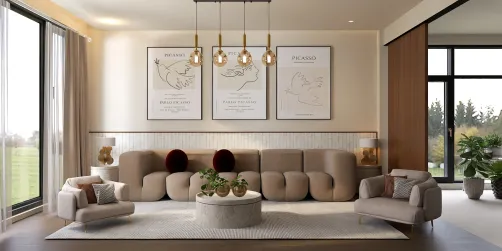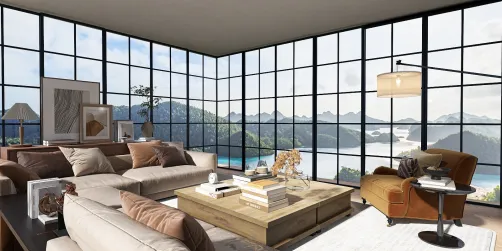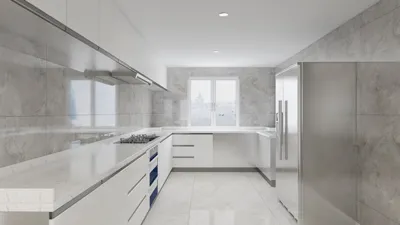



In recent times, open-concept loft living spaces have emerged as a hallmark of contemporary urban life. I’ve discovered that particularly in compact areas, innovative and practical design strategies flourish. Today, I will share 10 loft living room ideas derived from my actual projects, blending my insights with expert data to assist you in creating a stylish yet functional loft, using tools like Homestyler.
1. Industrial Chic with Cozy Textures
My Perspective: Exposed beams, brick finishes, and steel elements can be visually striking; however, I find that incorporating warm textiles enhances comfort, making the environment feel inviting rather than cold.
Advantages: Industrial loft design fosters an open, airy atmosphere, ideal for optimizing small living room arrangements. Architectural Digest suggests that melding raw materials with comfortable furnishings increases visual warmth.
Disadvantages: Excessive industrial elements may render the space overly harsh or masculine. Additional soft rugs or varied lighting may be necessary to achieve a harmonious balance.
Suggestion: Incorporate knitted throws, decorative cushions, and greenery for added warmth.
2. Floor-to-Ceiling Shelving
My Perspective: I once designed a loft for an avid reader, transforming an entire wall into a towering library complete with a rolling ladder. It merged storage and style beautifully!
Advantages: This approach maximizes vertical space, making smaller lofts feel more expansive, while showcasing art, plants, and collectibles alongside books.
Disadvantages: Requires consistent organization; an excess of items can lead to a cluttered appearance.
Vertical shelving also assists in defining spaces within open floor plans, enhancing usability.
3. Glass Partitions for Light Flow
My Perspective: I particularly enjoy employing glass panels to discretely separate areas without obstructing natural light. In one project, a glass divider kept the living room luminous while affording privacy to the bedroom.
Advantages: This technique preserves openness while delineating spaces, making it perfect for smaller lofts. It allows sunlight to reach the deeper parts of the area.
Disadvantages: Requires frequent cleaning; acoustic privacy is limited compared to solid walls.
4. Multipurpose Furniture
My Favorite: For lofts, I love a sofa that can convert into a guest bed, especially in urban apartments with space constraints.
Advantages: Saves valuable square footage, essential for lofts under 500 sq ft, while minimizing the need for extra storage solutions.
Disadvantages: Convertible furniture may sometimes sacrifice comfort relative to dedicated pieces.
Cost Tip: Anticipate spending 10–20% more on high-quality multipurpose furniture, but view it as a worthwhile investment.
5. Eye-Catching Lighting
My Perspective: In a loft with tall ceilings, I installed an oversized pendant light to serve as a focal point above the seating arrangement. This choice dramatically altered the room’s ambiance.
Advantages: Enhances the height of the ceilings, unifying the space, and often serves as a piece of art in itself.
Disadvantages: Large fixtures could be overwhelming in lower or mid-height ceilings.
6. L-Shaped Sofa Configurations
My Take: I frequently employ L-shaped sectionals to create natural division between living and dining areas in lofts.
Advantages: Encourages conversation while maximizing corner spaces and defining the living space without the need for walls.
Disadvantages: A fixed layout may not appeal to those who enjoy rearranging their furniture frequently.
The L-shaped design fits seamlessly within open-plan layouts, integrating living areas with surrounding spaces.
7. Wood Accents for Warmth
My Experience: A loft I designed last year featured a stark black-and-white color scheme; simply adding a reclaimed wood coffee table and timber ceiling beams breathed life into the space.
Advantages: Incorporates warmth, texture, and an organic feel into modern loft interiors—a concept rooted in Scandinavian and Japanese design philosophy.
Disadvantages: Wood tones must harmonize with other finishes to avoid clashes.
8. Art as a Centerpiece
My View: Oversized art pieces can anchor a loft living area effectively, especially when displayed against a clear, uncluttered wall.
Advantages: Instantly infuses personality and vibrancy into the area; easy to refresh for a new aesthetic.
Disadvantages: Larger artworks can be expensive; smaller spaces risk feeling cramped if not proportionately scaled.
9. Layered Rugs for Added Texture
My Approach: I often layer smaller patterned rugs over larger neutral ones to enrich the texture and comfort of a loft living room.
Advantages: Creates visual intrigue, defines different areas, and warms up floors underfoot.
Disadvantages: Increased maintenance is required; can pose trip hazards if not anchored well.
The layered textile concept also translates beautifully into other open-plan areas, providing separation without the need for walls.
10. Incorporating Plants and Vertical Gardens
My Insight: When floor space is limited, utilizing vertical space for plants can enhance freshness and improve acoustics.
Advantages: Enhances air quality, introduces color, and elevates mood, as supported by numerous studies in environmental psychology.
Disadvantages: Requires regular care; may not thrive in low-light lofts unless supplemented with grow lights.
Summary
Creating a loft living room revolves around embracing intelligent solutions rather than compromising due to limitations. As noted by Elle Decor, smaller areas often foster greater creativity. Which of these 10 loft living room concepts sparks your inspiration the most?
FAQ
Q1: How can I create a sense of space in my loft living area?
Incorporate light hues, multifunctional furnishings, and vertical storage to optimize both visual appeal and functionality.
Q2: What kind of lighting works best for high-loft ceilings?
Layered lighting with focal pendant lamps is effective; utilizing dimmable bulbs offers added flexibility.
Q3: How can I define zones in an open loft?
Consider using glass partitions, area rugs, and L-shaped seating arrangements to naturally divide spaces.
Q4: What design styles suit loft living rooms?
Trendy options include industrial chic, modern minimalism, and Scandinavian styles.
Q5: Is investing in custom-built furniture worthwhile?
Absolutely, especially when dealing with unique dimensions; it can significantly enhance storage and functionality.
Q6: How can I warm up an industrial loft?
Incorporate warm wood accents, layered textiles, and soft lighting, as noted in interior design principles from platforms like Houzz.
Q7: Can greenery thrive in low-light loft environments?
Definitely, opt for low-light species like ZZ plants or incorporate grow lights for improved results.
Q8: How should I select artwork for my loft?
Select large-scale or statement pieces that complement the scale and openness of the loft design.
What began as an Autodesk innovation has evolved into a design platform used by more than 20+ million registered users (platform data, 2026) around the globe. Homestyler combines powerful rendering, an intuitive editor, and a vast furniture library to help you turn inspiration into photorealistic designs — whether you're redesigning a single room or planning an entire home.
Discover your dream space with Homestyler, the ultimate online home design platform! Effortlessly create stunning interiors using our user-friendly design tool, explore a vast library of 3D renderings, and enhance your skills with engaging DIY video tutorials. Transform your home design journey today!
Concevez maintenant gratuitement