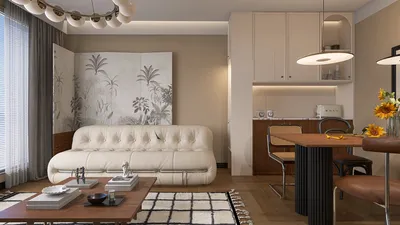


Over the last ten years in the interior design industry, I’ve observed a noteworthy trend towards softer, warmer neutrals, with the taupe couch emerging as a chic yet functional focal point in numerous homes. I find that small living spaces often ignite the greatest creativity, allowing taupe to serve as a versatile base that anchors a room without overwhelming it. In this article, I’ll share ten stylish living room concepts featuring a taupe couch—each inspired by my actual projects and current expert insights including the powerful design tool, Homestyler.
1. Minimalist Taupe and White Color Scheme
My Perspective: In one of my compact apartment designs, I discovered that pairing a taupe couch with fresh white walls resulted in a tranquil, airy atmosphere. This setup is ideal for those who appreciate a clean canvas that allows textures to stand out.
Advantages: White walls enhance light, making smaller living spaces feel more expansive, while taupe introduces a comforting warmth. This combination also facilitates easy updates to accessories without clashing with the sofa’s neutral tone.
Drawback: White surfaces tend to accentuate fingerprints and smudges, so consistent touch-up painting might be necessary.
Suggestion: Introduce an accent chair made of soft linen to maintain a cozy yet minimalist vibe, reminiscent of the taupe living room layouts I’ve designed in the past.
2. Rich Textures Built on a Taupe Foundation
My Perspective: One of my preferred methods to warm up taupe seating is through texture layering—imagine incorporating chunky knit throws, velvety cushions, and wool blankets for comfort and depth.
Advantages: Textured layers enrich a monochromatic scheme, making it more inviting, which is particularly important for smaller urban dwellings.
Drawback: Heavy fabrics in warm shades can feel oppressive during the summer months.
Suggestion: Adjust textures according to the season—opt for lighter cottons in summer and thicker knits in winter.
3. Colorful Accessories for a Vibrant Contrast
My Perspective: Due to taupe’s adaptability, I often incorporate bold pillows, rugs, or artwork in deep teal or burnt orange to inject character into the space without altering the main furniture pieces.
Advantages: It's simple to refresh a room's appearance annually; accessories offer affordable opportunities for change.
Drawback: An excess of vibrant elements can clash and overwhelm the neutral foundation.
Suggestion: Follow the 60-30-10 color rule—60% taupe/neutral, 30% secondary color, and 10% accent.
4. Glass Accents for an Open Feel
My Perspective: In a narrow living room, I once partnered a taupe couch with a glass coffee table and side lamps, which helped reduce visual clutter and improved the overall flow of the space.
Advantages: Glass furnishings reflect ambient light and keep sightlines unobstructed, helping the area feel larger, a concept supported by design principles in resources like Homestyler.
Drawback: Glass surfaces tend to show fingerprints and dust more readily.
Suggestion: Opt for tempered glass for added safety, especially in homes with children.
5. L-Shaped Configurations for Versatile Seating
My Perspective: Incorporating a taupe sectional in an L-shaped layout not only optimizes seating but also subtly delineates space in an open-plan project of mine.
Advantages: It maximizes seating capacity and helps define areas within small or open spaces, complementing neutral living room palettes beautifully.
Drawback: An L-shaped couch can dominate the room and limit furniture rearrangement options.
Suggestion: Be meticulous with measurements—L-shaped designs require precision to ensure walkways remain accessible. Check out the L-shaped layout inspirations I’ve created for ideas.
6. Incorporating Wood for Added Warmth
My Perspective: A taupe couch set against warm oak shelving or a walnut coffee table can create a grounded, welcoming ambiance that resonates with clients.
Advantages: Wooden textures harmonize with taupe’s cooler undertones, fostering a cozier living environment without introducing additional colors.
Drawback: Too many varying wood tones can clash—aim for two to three harmonious shades.
Suggestion: Repeating wood tones in picture frames, shelves, and accent tables can help unify the overall look effortlessly.
7. Exploring Monochromatic Taupe Shades
My Perspective: Using a spectrum of light to dark taupe can bring depth without straying from the calming neutral palette—I implemented this beautifully in a bachelor’s loft, yielding a sophisticated aesthetic.
Advantages: This approach creates a tranquil, cohesive style that remains relevant for seasonal adaptations.
Drawback: The design can appear flat without adequate texture or contrast.
Suggestion: Combine matte and glossy textures to introduce subtle visual intrigue.
8. Bold Artwork Above the Couch
My Perspective: A large canvas mounted above a taupe couch captivates attention and establishes a strong connection to the space.
Advantages: It personalizes the environment, establishes a visual focal point, and pairs well with taupe’s flexible backdrop.
Drawback: Misjudging the artwork’s size can disrupt the room’s balance.
Suggestion: Ensure that the artwork’s width is approximately two-thirds that of the couch for optimal proportions.
9. Blending Metal Accents
My Perspective: I once creatively paired brushed brass lamps with matte black side tables around a taupe couch, enhancing textures without creating discord.
Advantages: Mixing metals can introduce sophisticated layers and depth to a neutral palette.
Drawback: It’s easy to overdo metallic accents; stick to two complementary metal finishes to maintain elegance.
Suggestion: Ensure the metals appear at least twice in the space for balanced design.
10. Warm Lighting Layers
My Perspective: In a dimly lit apartment, I added an assortment of floor lamps, table lamps, and soft spotlights to create a warm glow in a taupe-focused living area.
Advantages: Layering different light sources enhances the warmth of taupe upholstery, making the space adaptive from casual reading to relaxing.
Drawback: More lamps lead to more cords—plan for electrical outlet accessibility.
Suggestion: Employ dimmer switches to adjust the ambiance according to the occasion.
Conclusion
A taupe couch provides not just a design constraint but rather a versatile foundation for creative expression. Particularly in smaller living rooms, taupe’s flexibility allows for dynamic arrangements, as supported by the American Society of Interior Designers’ trend analyses. Which of these ten concepts would you most like to experiment with in your home? Consider using Homestyler to visualize your new living space!
Frequently Asked Questions
Discover the ease of home design with Homestyler! This intuitive online platform offers a powerful design tool, stunning 3D renderings, a plethora of inspiring design projects, and helpful DIY video tutorials. Transform your vision into reality effortlessly, whether you're a novice or a seasoned designer!
Zaprojektuj teraz za darmo
































