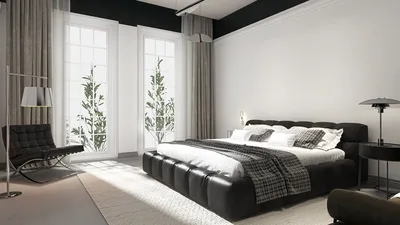


As an interior designer with more than ten years of experience, I’ve noticed how even the most subtle details can dramatically alter a space — including the ceiling fan in your living room. In contemporary interior design, fans serve not only as a means to keep cool but also as a significant style feature. Particularly in smaller spaces, I’ve discovered that they encourage innovative solutions that harmonize functionality and aesthetics. In this article, I’ll present ten living room fan concepts that I’ve either implemented or recommended to clients, backed by genuine results and expert insights, all while keeping Homestyler in mind for design inspiration.
Minimalist Wooden Blade Fan
My Perspective: During a project in a compact studio apartment, the client wanted a fan that wouldn’t overwhelm the aesthetic. We selected a sleek three-blade wooden fan that aligned perfectly with the airy Scandinavian ambiance.
Advantages: This choice enhances minimalist interiors while injecting warmth; it serves as a focal element when paired with neutral color schemes and natural textures.
Disadvantages: It may not circulate air as effectively as a five-blade model, making it better suited for cozy rooms or gentle climates.
Tip: Combine it with bright, open furniture arrangements to amplify the feeling of spaciousness.
Industrial Cage-Style Fan
My Perspective: In a loft-style apartment project, the client adored the exposed brick and iron features. A cage-style fan contributed the perfect industrial touch without adding excessive bulk.
Advantages: It offers robust, directional airflow; complements metal accents and urban decor.
Disadvantages: Visually, it can appear somewhat heavy, so it’s most effective in areas with high ceilings.
Cost Insight: Premium options that incorporate vintage bulbs can be expensive but also function as decorative lighting features.
Retractable Blade Fan with Light
My Perspective: For clients seeking a multifunctional option, I often recommend these fans as they provide excellent lighting along with airflow without the typical visual clutter of traditional designs.
Advantages: The blades retract when not in use; built-in LED lighting conserves space — perfect for apartment living room arrangements.
Disadvantages: Installation can be slightly more complex; moving components may need occasional upkeep.
Oversized Statement Fan for Open Spaces
My Perspective: In an open-plan living area, a 60-inch modern fan became a central piece that visually connected the living and dining spaces.
Advantages: It delivers exceptional air circulation in expansive rooms; acts as a striking sculptural feature overhead.
Disadvantages: It can be too overwhelming for smaller rooms; may require enhanced ceiling support.
Expert Comment: The American Lighting Association states that larger ceiling fans can reduce cooling costs by improving air flow in larger rooms.
Retro-Inspired Oscillating Fan
My Perspective: A client with mid-century furnishings was drawn to a bronze oscillating pedestal fan — it added a nostalgic touch to their design scheme.
Advantages: It offers flexible placement; brings a vintage feel; effortless to move from one room to another.
Disadvantages: It occupies floor space; isn’t as efficient as ceiling-mounted alternatives for cooling larger areas.
Tip: It beautifully complements patterned rugs and teak wood finishes.
Dual Motor Fan for Enhanced Directional Control
My Perspective: In a split-level living room, a dual motor fan effectively directed air to both the elevated seating area and the lower lounge space.
Advantages: Customizable airflow; infuses an architectural element into the ceiling; ideal for uniquely shaped rooms.
Disadvantages: It might be noisier at high speeds; visually busier than single-motor variants.
Project Insight: We integrated it with open kitchen sightlines to unify the entire floor both aesthetically and functionally.
Hidden Low-Profile Fan
My Perspective: For a minimalist modern update, I installed an ultra-slim, flush-mounted fan that blended effortlessly into the white ceiling.
Advantages: Ideal for low ceilings; seamlessly integrates into the environment; operates quietly for enhanced comfort.
Disadvantages: Limited styles and color choices; smaller blades result in reduced airflow for larger spaces.
Smart Ceiling Fan with App Control
My Perspective: In my own home, I appreciate the convenience of adjusting fan speeds and lighting using my smartphone — especially handy when I'm settled in with a good book.
Advantages: Remote control; can be integrated with smart home systems; energy-efficient scheduling.
Disadvantages: Requires stable Wi-Fi; initial setup may be challenging for those unfamiliar with technology.
Outdoor-Style Fan for Indoor Breezes
My Perspective: A client longing for a coastal living experience selected a damp-rated fan for indoor use — its broad paddle blades created a gentle, beach-like airflow.
Advantages: Unique appearance; generates soft, quiet air movement; moisture resistant, making it perfect for humid regions.
Disadvantages: Bulkier design; might overshadow delicate decorative elements.
Design Tip: Pairing it with nautical-themed color palettes completes the design aesthetic.
Chandelier Fan (Fandelier)
My Perspective: I recently featured a fandelier in a luxury condo project — the client aimed for elegance without sacrificing comfort, and it succeeded on both fronts.
Advantages: Infuses glamor with ornate light fixtures; provides airflow while acting as a centerpiece.
Disadvantages: Can be expensive; cleaning intricate light details requires time and effort.
Cost Perspective: It's a worthy investment if you're looking for a singular piece that balances style and functionality.
Conclusion
In my view, a living room fan serves more than just a functional purpose — it's an opportunity to enhance style, promote comfort, and even become a conversation starter. This is particularly true in compact spaces, where the right choice can create a design marvel. According to the U.S. Department of Energy, ceiling fans can help lessen reliance on air conditioning, thus saving you money and energy. Which of these living room fan concepts would you explore for your own home?
FAQ
1. What size fan works best for a small living room?
Generally, a fan measuring between 42–48 inches is suitable to offer sufficient airflow without cluttering the visual space.
2. Are ceiling fans considered energy-efficient?
Indeed. As per Energy.gov, ceiling fans consume significantly less energy compared to air conditioning and can serve as an excellent supplementary cooling option.
3. Can I install a ceiling fan on my own?
If you have a background in electrical wiring and possess the necessary tools, it is possible, but I recommend hiring a licensed electrician for safety reasons.
4. What distinguishes a 3-blade fan from a 5-blade fan?
Three-blade fans often display a more streamlined, contemporary look and can move air more swiftly, while five-blade models tend to operate more quietly and disperse gentler airflow.
5. Are chandelier fans worth the investment?
If you desire both lighting and air circulation in a single stylish fixture, they can make a great investment, especially when ceiling space is at a premium.
6. Can an outdoor-rated fan be used indoors?
Yes, particularly in humid regions. I’ve utilized them in interiors for a coastal or tropical aesthetic.
7. How do I coordinate my fan with my living room’s style?
Take into account the finish and blade materials — wood adds warmth, metal suits industrial styles, while white caters to a minimalist vibe.
8. Do smart fans contribute to energy efficiency?
Absolutely, especially if programmed to operate during peak heat times and turn off when not in use.
Discover your dream home with Homestyler! This user-friendly online design platform offers an intuitive design tool, stunning 3D renderings, and a wealth of design projects. Plus, with DIY video tutorials, you'll effortlessly turn your ideas into reality. Transform your space today!
Design Now for FREE
































