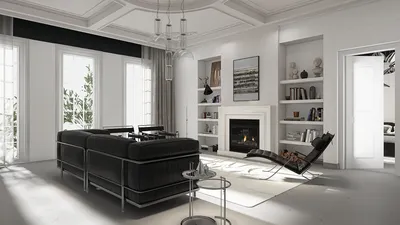


As a designer with over a decade of experience in reimagining both small and expansive living spaces, I have observed a significant trend emerging: integrated living room bars have transcended the realm of luxury homes and are now accessible to anyone who enjoys entertaining. It’s often the compact areas that inspire the most creativity, and incorporating a bar into your living room can enhance both style and utility. In this article, I’ll present 10 living room bar concepts that blend insights from my personal journey with expert data, ensuring you find the perfect inspiration for your home using tools like Homestyler.
1. Minimalist Floating Shelf Bar
Personal Insight: During a project in my urban apartment, I discovered that traditional bars don't fit due to limited floor space. We opted for a narrow floating shelf, painted to blend seamlessly with the wall, which became a striking focal point as a bar.
Advantages: This design saves floor space, keeps surfaces uncluttered, and seamlessly fits into minimalist aesthetics. This kind of kitchen-like storage can also beautifully complement living rooms.
Disadvantages: With limited storage and serving capabilities, it may not be ideal for large gatherings.
Recommendation: Enhance your shelf by incorporating LED strip lighting underneath to provide a warm atmosphere during evening gatherings.
2. Built-In Cabinet Bar
Personal Insight: In redesigning a 1920s townhouse, we transformed an underutilized bookshelf into an elegant cabinet bar. It felt like an organic addition to the home.
Advantages: This setup keeps your bottles and glassware free from dust, aligns easily with existing cabinetry, and can potentially boost resale value according to Realtor.com.
Disadvantages: The process demands carpentry skills, which may increase costs and take time, especially on tight schedules.
3. Drinks Trolley on Wheels
Personal Insight: An excellent choice for compact apartments; I frequently wheel mine onto the balcony during summer parties.
Advantages: Its mobility allows for versatility and it comes in diverse styles, ranging from mid-century modern to industrial chic.
Disadvantages: Without meticulous curation of bottles and accessories, it can appear cluttered.
4. Bar Cabinet with Glass Doors
Personal Insight: For a client passionate about displaying rare whiskey bottles, we opted for a glass-door cabinet equipped with soft internal lighting.
Advantages: It showcases beautiful bottles and serves as décor, while the reflective surfaces add a sense of depth to the room.
Disadvantages: It requires regular upkeep to prevent fingerprints and streaks.
5. Under-Stairs Living Room Bar
Personal Insight: One of my favorite transformations involved embedding a bar under a staircase in a compact duplex, creating a secretive feel akin to a speakeasy.
Advantages: This approach utilizes awkward spaces creatively; it can include custom shelving and refrigeration options.
Disadvantages: The confined space may restrict seating and movement.
6. Wet Bar with Small Sink
Personal Insight: Initially, I thought installing a mini sink in a living room bar was excessive, but it proved to be incredibly practical for rinsing glasses during social events.
Advantages: It increases functionality, reduces trips to the kitchen, and enhances the overall design profile.
Disadvantages: The necessary plumbing can be invasive and may escalate renovation costs.
Case Inspiration: When designing wet bars in compact living spaces, an L-shaped layout can effectively maximize counter space.
7. Convertible Console Table Bar
Personal Insight: In a studio design, we utilized a fold-out console table to function both as a workspace and a bar, delighting my work-from-home client.
Advantages: This multi-functional furniture option saves space and money, making it ideal for small living room arrangements.
Disadvantages: Switching between uses can lead to a cluttered appearance.
8. Open Shelving with Backlit Display
Personal Insight: Backlit shelves can transform ordinary glassware into stunning focal points, perfect for social media photography.
Advantages: They create visual drama, highlight the textures of glass, and can suit both modern and classic interior designs.
Disadvantages: The glassware displayed must be visually appealing; otherwise, it can detract from the overall aesthetic.
Recommendation: Dimmable lighting can help tailor the ambiance for various occasions.
9. Rustic Wood and Metal Bar Cart
Personal Insight: For an industrial-themed loft, we selected reclaimed wood shelves paired with black metal frames for a casual yet stylish drink station.
Advantages: This eco-friendly design adds warmth and can be a DIY project for a personal touch.
Disadvantages: It may clash with ultra-modern décor styles.
10. Corner Niche Living Room Bar
Personal Insight: A small niche in the living room can transform into a fully functional bar with layered shelves and focused lighting.
Advantages: This design maximizes unused corners, fosters a cozy environment, and does not interfere with primary seating areas. Incorporating wood accents can render a small bar more inviting.
Disadvantages: Restricted surface area may limit options for mixing sophisticated cocktails.
Conclusion
A living room bar—be it a complete wet bar or a simple trolley—demonstrates that smaller spaces can inspire smarter, trendier solutions rather than limitations. As noted by Architectural Digest, effective harmony between function and aesthetics is crucial for inviting living areas. Which of these Homestyler-inspired ideas are you eager to implement first?
FAQ
1. What is the most effective living room bar design for small spaces?
Floating shelf bars or mobile trolleys are ideal; their compact size allows for easy storage or maneuvering.
2. What is the estimated cost of adding a bar in the living room?
Prices can vary from under $100 for simple carts to over $5,000 for custom pieces, depending on materials and labor.
3. Is plumbing necessary for a living room bar?
Plumbing is only needed if you opt for a wet bar with a sink; otherwise, a dry bar suffices.
4. What kind of lighting is best for a living room bar?
Soft, ambient lighting such as LED strips or backlighting creates a pleasant atmosphere without being harsh.
5. Can I integrate my living room bar with other furniture pieces?
Certainly—convertible console tables or hybrid media-and-bar units are highly sought-after solutions.
6. Will incorporating a bar enhance my home's value?
According to Forbes Home, a well-crafted built-in bar can improve buyer interest, although ROI can differ by market conditions.
7. What design styles are suited for living room bars?
Styles ranging from industrial wood-and-metal to refined modern glass are effective, provided they align with other room elements.
8. Are open-shelf bars difficult to maintain?
Yes, they require regular dusting and styling, but they also offer opportunities for creative display and personalization.
Homestyler is your go-to online platform for home design! With its user-friendly design tool, stunning 3D renderings, and a wealth of DIY video tutorials, you can effortlessly create and visualize your dream spaces. Transform your home with inspiration at your fingertips!
Zaprojektuj teraz za darmo
































