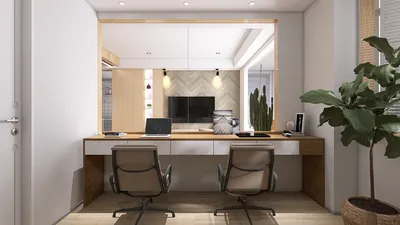


When a client first requested a shade of green that avoids the 'jungle' aesthetic, I experimented with three small paint swatches on the wall and quickly became enchanted by the subtlety of the middle one. Small rooms are my ideal canvas; they encourage thoughtful decisions and make color choices feel deliberate. For anyone looking to visualize room layouts prior to purchasing paint samples, utilizing tools like Homestyler is a practical initial step.
1. Soft Mint Accent Wall
I frequently suggest applying a soft mint on a singular accent wall, whether behind a bed or sofa, as it conveys a fresh ambiance without overpowering the area. This color brightens north-facing rooms and harmonizes beautifully with warm wood tones, although it’s worth noting that very pale mint shades can appear chalky under cooler LED lighting.
save pin
2. Pale Sage for Layered Neutrals
Pale sage acts almost like a neutral while providing more depth than grey. I implemented it in a 28 square meter apartment to anchor various layered textiles, such as linen curtains, a beige rug, and brass fixtures, fostering a sense of cohesion. The downside is the paint selection process: some sage tones can lean too grey or too green, so be sure to test samples at various times throughout the day.
save pin
3. Green-Blue for a Coastal Vibe
By leaning slightly towards teal, you can achieve a coastal tranquility that is ideal for bathrooms or compact kitchens. In a recent kitchen update, I recommended using low-gloss, low-VOC paint for easy maintenance and durability; the choice of finish can be just as impactful as the color itself. To digitally visualize this concept, consider utilizing an AI tool like Homestyler for quick mood board creation to explore combinations.
save pin
4. Olive Accent in a Modern Eclectic Space
Olive green exudes sophistication when paired with black trims and sculptural lighting. I incorporated it into a cozy dining nook to establish an intimate, club-like vibe. While olive works well with textured plaster, overdoing it can make a room feel smaller; it’s wise to keep the ceilings and trim light to maintain balance.
save pin
5. Pastel Green for a Monochrome Scheme
Using varying shades of light green throughout a room can create a tranquil monochrome environment that is unexpectedly stylish. Layer different textiles and metallics to avoid a flat appearance; for instance, I once paired pastel-colored walls with matte brass accents and cream upholstery for an appealing refresh suitable for renters. When dealing with open-plan spaces like a kitchen, consider complementary color palettes to ensure a smooth visual transition — take time to think about how your kitchen layout ideas interact with the living area.
save pin
FAQ
1. What undertone should I choose for light green wall paint?
I recommend selecting undertones that complement your room's sunlight: warm, yellow-based greens work well in south-facing spaces, while blue-toned greens can induce calm in north-facing rooms. Always test sizable swatches on opposite walls to observe shifts in undertone.
2. Will light green make a small room appear larger?
Absolutely, when combined with light-colored ceilings and reflective surfaces, it can create an illusion of space. Avoid using high-contrast trims if your aim is to visually expand the area.
3. What finish is optimal for high-traffic areas?
Satin or eggshell finishes are my preferred choices for durability and cleanliness in living rooms and kitchens; while flat finishes can conceal imperfections, they are tougher to clean.
4. How should I coordinate furniture with light green walls?
Opt for warm wood tones to evoke coziness, white or cream for a fresh effect, and black accents for modern contrast. Also, consider textile textures to add depth without overcrowding the color scheme.
5. Are light green paints safe for indoor air quality?
Select low- or zero-VOC formulas to ensure better indoor air quality. According to the U.S. EPA, proper ventilation combined with low-VOC products can significantly reduce indoor pollutants and enhance health.
6. Can renters use light green without needing to repaint later?
Yes, various peel-and-stick wallpaper options or temporary paint solutions are available, although many landlords may accept neutral, muted green tones; it’s always best to seek approval or test removable methods first.
7. What type of lighting should I use with light green walls?
Warm LED lights (2700K–3000K) can make green shades feel cozy and soft, while cooler lighting (3500K–4000K) emphasizes freshness. It’s beneficial to use layered lighting combining ambient, task, and accent to manipulate the atmosphere.
8. How many paint samples should I try out?
I suggest testing at least three shades: a light, a medium, and a slightly darker variant of your selected green. Observe them throughout the day to make a decision, as natural and artificial light can reveal different characteristics.
save pin
Homestyler is your go-to online home design platform! With its user-friendly design tool and stunning 3D renderings, you can effortlessly create your dream space. Explore a wealth of design projects and DIY video tutorials to inspire your creativity and bring your vision to life!
今すぐ无料でデザイン
































