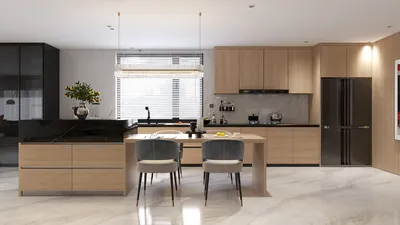


I have always maintained that a spacious living room presents both an opportunity and a design challenge. With the current trends in interior design leaning towards comfort-focused, multifunctional arrangements, a large couch can serve as a central piece that influences the entire ambiance of the room. Personally, I appreciate how larger spaces allow for a mix of style and functionality – while smaller areas encourage creativity, larger ones entice us to think expansively. In this article, I will share ten thoughtful ideas for large living room couches, blending personal design experiences with insights from industry experts to optimize your space.
1. Oversized Modular Sectionals
My Experience: I once created a coastal-themed open-plan home where the owner desired the couch to be the primary gathering area. We opted for an oversized modular sectional that could be rearranged for social gatherings or cozy movie nights.
Benefits: Modular sectionals occupy space without appearing sparse, and their rearrangeability makes them a versatile seating option for large living rooms. As highlighted in Architectural Digest, modular sofas are trending for their adaptability.
Drawbacks: They can be expensive, and shifting the larger components can be quite a task. Additionally, the fabric wear may differ between modules as time passes.
Suggestion: Opt for performance fabric for ease of maintenance.
2. Curved Sofa for Seamless Flow
My Experience: In one penthouse design, I utilized a wave-shaped curved sofa to subtly direct foot traffic between the living and dining areas.
Benefits: A curved design softens the room’s angles and fosters interaction. It complements both contemporary and eclectic settings beautifully.
Drawbacks: Custom upholstery can elevate costs, and finding an appropriately sized rug may pose challenges.
Case in Point: When paired with wooden accents for warmth, curved couches can evoke a luxurious and welcoming atmosphere.
3. Chaise-End Sectionals
My Experience: I often position chaise-end sectionals adjacent to windows, allowing clients to enjoy natural light while lounging with a book.
Benefits: This design encourages lounging without requiring a separate recliner, offering laid-back comfort while optimizing the couch's footprint.
Drawbacks: Fixed chaise positions may not accommodate every room layout, making accurate measurements crucial.
4. Deep-Seated Sofas
My Experience: For those weekend Netflix marathons, a deep-seat sofa is unbeatable. I once sourced a model with a 42-inch seat depth – absolute bliss for relaxation.
Benefits: The plush depth makes them ideal for comfort, appearing substantial in spacious designs and emphasizing a comfort-centric aesthetic.
Drawbacks: They may not support formal seating positions, and smaller guests could feel a bit engulfed by the cushions.
5. Minimalist Low-Profile Couches
My Experience: In a loft conversion, I suggested a low-profile, minimalist couch to keep views open to the city skyline.
Benefits: This style preserves an airy atmosphere in large living spaces and complements modern or industrial aesthetics effectively.
Drawbacks: It offers less back support, making it unsuitable for extended sitting.
Note: Pairing with accent chairs can help balance support that is otherwise lacking.
6. Tufted Chesterfields
My Experience: In a Victorian restoration, we chose a tufted leather Chesterfield that harmonized beautifully with the intricate ceilings.
Benefits: This timeless piece exudes sophistication and pairs well with traditional, transitional, or eclectic designs. Experts from House Beautiful laud the Chesterfield for its lasting style.
Drawbacks: The seating can be firmer, and leather might feel chilly during winter months.
Case Study: This couch excels when arranged to maximize table space.
7. Mixed-Material Sofas
My Experience: Recently, I have enjoyed combining textures – for instance, a linen body with leather arms – to create visual interest without overwhelming the room.
Benefits: Dual materials introduce visual appeal and can unify various color schemes throughout the space.
Drawbacks: The differing cleaning requirements can complicate maintenance chores.
8. U-Shaped Sectionals
My Experience: In a family entertainment area, the U-shaped sectional fostered an inclusive atmosphere during game nights.
Benefits: This design maximizes seating for larger gatherings while effectively defining the center of a spacious room.
Drawbacks: They occupy considerable floor space, which may not suit preferences for a more open layout.
9. Integrated Storage Sofas
My Experience: For loft-style apartments, I have incorporated sectionals with concealed compartments to keep blankets and games organized and off view.
Benefits: These cleverly merge seating with storage, perfect for multifunctional living spaces.
Drawbacks: Accessing storage can be inconvenient if you're already lounging.
Example: They are particularly effective when designed with L-shaped layouts to free up more surface area for everyday uses.
10. Bold Color Statement Sofas
My Experience: I love when clients embrace vivid colors – I once showcased a sapphire-blue velvet couch as a centerpiece in an otherwise neutral room.
Benefits: Such bold hues can instantly change the mood of a room and serve as a dual-purpose art piece and functional seating.
Drawbacks: They may limit future decor alterations, as the color often becomes a primary visual focus.
Suggestion: Consider removable covers for added flexibility.
Summary
More spacious living areas don't merely require larger furnishings; they welcome insightful and strategic design. A sizeable couch can function both as a practical solution and a striking focal point, merging style with comfort. As Elle Decor notes, the sofa frequently dictates the spatial arrangement, so it's vital to measure accurately, visualize potential layouts, and even test your options. Which of these couch ideas are you excited to implement in your home?
FAQ
Q1: What size couch suits a spacious living room best?
A: Typically, couches over 90 inches are suitable; sectionals often extend beyond 120 inches, providing better proportions for larger areas.
Q2: How do I best arrange couches in an expansive living room?
A: Begin with the main focal point (like a TV, fireplace, or beautiful view) and position the sofa to anchor the room, balancing other seating around it.
Q3: What are the upcoming trends for large living room couches in 2024?
A: Expectations for modular and deep-seat designs are on the rise, as confirmed by style forecasts from Architectural Digest.
Q4: Is it okay to mix styles in a spacious living room?
A: Absolutely – blending a contemporary couch with vintage chairs can infuse character into the room, but maintaining a consistent color palette helps prevent clashes.
Q5: Are bold hues a risky choice for large couches?
A: They can be, as they dominate the room visually. However, in larger spaces, bold colors can transform into confident design statements.
Q6: Which is better, leather or fabric for a larger sofa?
A: Leather offers longevity and a classic aesthetic, whereas fabric provides greater variety in textures and colors. For busy households, performance fabric is often a pragmatic option.
Q7: How can I prevent a large couch from appearing too heavy in the space?
A: Choose couches with visible legs, lighter materials, or complement them with airy decor like glass tables.
Q8: Can I use two medium-sized sofas instead of a single large one?
A: Definitely. Two medium sofas facing each other can create wonderful conversation areas and effectively break up a large room.
Discover your design potential with Homestyler! This user-friendly online platform offers a powerful design tool, stunning 3D renderings, and a wealth of inspiring design projects. Plus, with DIY video tutorials, transforming your space has never been easier. Start creating your dream home today!
Concevez maintenant gratuitement
































