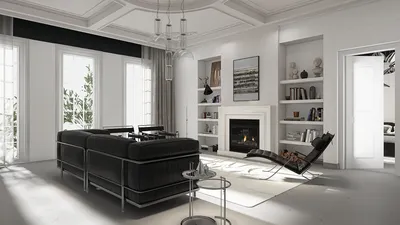


Over the last ten years of designing small to medium-sized residences, one trend that consistently stands out is the grey sofa. It is adaptable, eternally stylish, and can convey either a modern or cozy atmosphere depending on the décor. Particularly in compact spaces, we're often pushed to think creatively, and I'm thrilled to present 10 décor ideas for a living room centered around a grey sofa, merging personal experiences with expert insights. These concepts have proven effective in my own designs and client transformations.
1. Minimalist Accents with Monochrome Layers
My Experience: In one studio apartment design, the grey sofa served as the focal point. By layering various shades of grey with black and white accents, the client’s space attained a sophisticated tranquility.
Advantages: Monochrome color schemes work beautifully with a grey sofa, fostering visual harmony and imparting intentionality to small areas.
Disadvantages: If taken too far, it may appear a bit cold or flat, thus incorporating texture is essential.
Suggestion: Consider adding a chunky knit throw or boucle cushions for additional warmth.
2. Warm Wood Elements for a Cozy Balance
My Experience: In an urban loft project, combining a cool-toned grey sofa with oak coffee tables and shelving immediately enhanced the room's warmth.
Advantages: Wood contributes organic texture, softening the sleekness of grey, particularly effective in Scandinavian designs.
Disadvantages: Using too many wood tones can create clashes; it’s best to stick with 1–2 types for unity.
This can be observed in a project where wooden accents infused warmth into a minimalist grey living space.
3. Bold Artwork as a Statement
My Experience: A muted background calls for a splash of personality. I once installed an oversized abstract canvas behind a client's grey sectional, and it instantly transformed the room’s ambiance.
Advantages: It serves as a focal point and provides an effortless way to add individuality without needing to replace furniture.
Disadvantages: Larger artworks can be pricey; however, budget-friendly prints are a suitable alternative.
4. Layered Textiles for Depth
My Experience: Blending rugs, throws, and pillows with diverse textures makes a significant impact. In one renovation, a patterned rug under the coffee table beautifully anchored the grey sofa.
Advantages: It adds richness and comfort, particularly in neutral palettes.
Disadvantages: An excess of patterns can feel chaotic; striking a balance with solid colors is crucial.
5. Metallic Finishes to Add Glam
My Experience: I enjoy incorporating brushed brass lamps or chrome side tables to introduce a touch of glam alongside a grey sofa.
Advantages: Reflective surfaces brighten up spaces and create an appealing contrast with matte grey fabrics.
Disadvantages: Overusing metallic accents can come off as gaudy; moderation is essential.
6. Greenery for a Fresh Contrast
My Experience: In my home, a tall fiddle leaf fig placed next to our grey sectional brings in a breath of fresh air indoors.
Advantages: Plants infuse life and color, and can even enhance indoor air quality, as noted by the NASA Clean Air Study.
Disadvantages: Real plants need care; artificial options still provide visual advantages.
Tip: Tall plants can effectively fill awkward empty corners.
7. Glass and Mirror Elements for Light
My Experience: In compact living areas, utilizing mirrored coffee tables and glass shelving has helped maintain an open feel in the room.
Advantages: Especially advantageous for small living rooms, as reflections can create an illusion of space.
Disadvantages: Maintenance of fingerprints and smudges can be demanding.
This can be illustrated in a project where glass accents elevated the brightness of a grey-tone interior.
8. Accent Wall in Deep Color
My Experience: Painting one wall behind the grey sofa in a deep hue—like navy or charcoal—creates a cozy atmosphere.
Advantages: It introduces drama and depth, particularly effective in larger rooms with ample natural light.
Disadvantages: It may make compact spaces feel constricted if the color is excessively dark.
9. L-Shaped Layout for Social Flow
My Experience: Configuring the grey sofa into an L-shape (with a chaise or additional seating) greatly enhanced both comfort and interaction in client spaces.
Advantages: It maximizes seating while effectively delineating the living area within open-plan designs.
Disadvantages: Not suited for narrow areas where added depth might impede movement.
Real-life examples can be seen in projects where an L-shaped arrangement provided more functional seating in compact apartments.
10. Seasonal Swap of Cushions and Throws
My Experience: To refresh on a budget, I alternate my couch accessories by season—using linen in summer and velvet in winter.
Advantages: This strategy keeps the atmosphere feeling revitalized without incurring heavy expenses.
Disadvantages: Requires storage space for off-season items.
Summary
A small living room featuring a grey sofa isn't a limitation—it’s a chance to make more thoughtful and intentional design choices. According to the American Society of Interior Designers, selecting a neutral foundation like grey enhances versatility for adapting styles. Which of these ideas would you implement in your own space? Don’t forget to explore how tools like Homestyler can help visualize your layout!
FAQ
Q1: What colors harmonize best with a grey sofa?
A: Neutrals such as white, beige, and black provide a serene palette, while colors like mustard, navy, or blush can offer contrast without overwhelming.
Q2: How can I create a warmer atmosphere in a living room with a grey sofa?
A: Incorporate warm wood accents, textured fabrics, and ambient lighting; these components effectively mitigate the coolness of grey.
Q3: Can a grey sofa be suitable for a small living room?
A: Absolutely. Grey is a visually receding color, enhancing the feeling of openness. Utilize mirrors and light accents for maximizing space.
Q4: Which styles complement a grey sofa best?
A: Grey sofas suit modern, Scandinavian, industrial, and even bohemian styles—they adapt seamlessly due to their neutral nature.
Q5: How do I style around a dark grey sofa?
A: Balance the heaviness with light rugs, airy curtains, and metallic or glass accents to maintain a lift in the aesthetic.
Q6: Is grey still a trendy choice for living rooms?
A: Yes, according to Houzz’s 2024 style report, grey continues to rank as a primary neutral due to its flexibility and classic allure.
Q7: How can I infuse personality into a grey sofa living room?
A: Integrate striking art, vibrant cushions, or distinctive lighting elements to introduce character while keeping your primary furniture intact.
Q8: Does a grey sofa coordinate well with colorful walls?
A: Yes, but opt for muted or dusty shades like sage, terracotta, or navy to maintain balance. Sometimes, utilizing digital renderings of paint colors, such as through design platforms like Homestyler, can help visualize the final look before making a decision.
Homestyler is your go-to online home design platform. With an easy-to-use design tool, stunning 3D renderings, and a wealth of DIY video tutorials, it helps you create and visualize your dream spaces effortlessly. Unleash your creativity and transform your home today!
Design Now for FREE
































