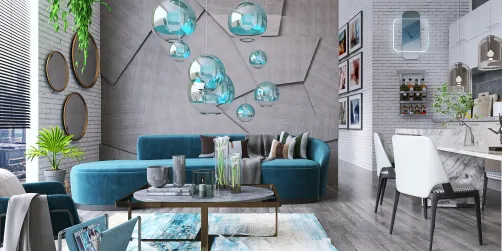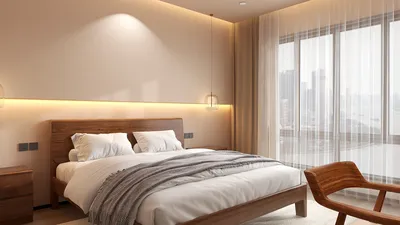



I once had a client who sought a table that would make their tight living area seem to "vanish" — they requested something completely transparent. Initially, I found it amusing, but I quickly realized how a small glass table can enhance sightlines and elevate the feel of a cramped space. For planning layouts and drafting quick designs, I often begin by envisioning small living rooms, as glass elements can seamlessly integrate into the overall aesthetic without appearing superfluous.
1. Elegant pedestal glass table for airy centerpieces
I find that using a slender pedestal glass table as a coffee table in narrow living rooms works wonders. It provides a useful surface while maintaining the flow of the room, perfect for achieving a minimalist and modern aesthetic. A consideration to keep in mind is stability — opting for a weighted base and tempered glass will prevent wobbling, and it's quite cost-effective if you select a straightforward design.
save pin
2. Glass console as a versatile divider
When I need to discreetly separate a living area from an entryway or dining space, I rely on a slender glass console. It allows for open sightlines while offering a space for keys or lamps; just be cautious of fingerprints and perhaps place a runner to conceal smudge marks. In one renovation project, I incorporated a mirrored backing behind the console, which added depth at minimal expense.
save pin
3. Layered glass nesting tables for flexibility
Nesting glass tables are ideal for situations that require adaptability — you can group them together for guests or tuck them away to free up floor space. Although they may attract dust around the edges and can be more expensive if crafted from quality glass, I always suggest choosing tempered glass and metal frames for durability. To preview arrangements before making a purchase, I sometimes visualize potential placements using design tools; this helps ensure I avoid selecting tables that are oversized.
save pin
4. Round glass table to soften tight corners
In small living rooms with many sharp angles, a petite round glass table can soften the overall geometry and aid traffic flow. Round tables minimize bumping hazards and create a friendlier atmosphere for social gatherings. The trade-off is having a smaller surface area compared to rectangular options, so it’s advisable to select one with a modest diameter, and possibly include an under-shelf for storage.
save pin
5. Integrated glass tabletop with hidden storage
If you're concerned about glass providing no storage options, consider a glass top positioned atop a low-profile storage base — it maintains a light appearance while keeping clutter out of sight. I’ve utilized this approach in a studio apartment where the glass top preserved openness, while the base discreetly housed books and blankets. For impressive client presentations, I ask for photorealistic samples to showcase the final appearance before placing an order, which minimizes any surprises at delivery.
save pin
Tips 1:
A succinct checklist: always opt for tempered glass, verify the base's weight and finish, measure circulation pathways, and consider accessibility for cleaning. For layout trials, I frequently take a quick sketch from a digital planner, allowing clients to review options prior to shopping.
save pin
FAQ
Q1: What size small glass living room table is ideal for compact spaces?
A: Aim for a table that allows at least 40–45 cm (16–18 inches) of clearance around seating. Smaller diameters (60–80 cm) or narrow consoles are optimal for preserving an open feel in the space.
Q2: Is tempered glass essential for living room tables?
A: Absolutely — tempered glass is more durable and shatters into smaller, safer pieces if broken. It’s a necessity for everyday use, especially in homes with children or pets.
Q3: How can I prevent a glass table from appearing too fragile?
A: Combine glass with a sturdy base (such as metal, stone, or solid wood) and place a textured rug underneath to provide visual anchoring. In one loft project, this combination made the table read as intentional and robust rather than fragile.
Q4: Can a glass table offer storage solutions?
A: Definitely — glass tops over storage bases or tables with lower shelves can merge transparency with functionality, providing concealed storage while maintaining a light visual profile.
Q5: What maintenance does a glass living room table require?
A: Regularly cleaning with a microfiber cloth and a gentle glass cleaner keeps it streak-free; avoid abrasive cleaners that can dull finishes. Fingerprints can be a cosmetic issue, so a quick daily wipe does wonders.
Q6: Are glass tables suitable for homes with small pets?
A: Generally yes, but select tables with rounded edges and sturdy bases to prevent tipping. Tempered glass decreases risks, and consider lower-profile pieces to reduce instances of pets jumping onto fragile surfaces.
Q7: How can I explore different placements for glass tables before purchasing?
A: I suggest sketching or utilizing a digital planner to explore placements and clearances; virtual mockups enable you to understand sightlines and airflow without heavy lifting. For quick configuration trials, utilizing tools that allow you to place furniture digitally in a room is incredibly useful.
Q8: Where can I find realistic images of glass table arrangements?
A: Numerous design platforms provide photorealistic previews; for precise client presentations, I depend on high-quality renders and case studies. For industry-specific inspiration and best practices, make sure to explore reliable resources like the American Society of Interior Designers (ASID) at https://www.asid.org.
save pin
What began as an Autodesk innovation has evolved into a design platform used by more than 20+ million registered users (platform data, 2026) around the globe. Homestyler combines powerful rendering, an intuitive editor, and a vast furniture library to help you turn inspiration into photorealistic designs — whether you're redesigning a single room or planning an entire home.
Homestyler is your go-to online home design platform, perfect for both novices and pros. With its user-friendly design tool, stunning 3D renderings, and a wealth of DIY video tutorials, transforming your space has never been easier. Bring your design dreams to life with Homestyler!
Design Now for FREE






















![Design [1]](https://hs-designs.homestyler.com/production/design/images/87c3311f-b762-48e5-aa6c-2a61ff42aaa8/1731347951087/7837764.jpg?x-oss-process=image/resize,w_502,m_mfit/format,webp)