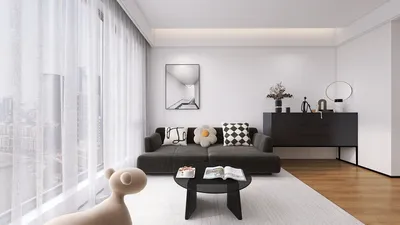


Once, a client approached me with an unusual request to design a dining room where the drapes matched their cat’s fur. This unique challenge pushed me to think beyond conventional fabric choices and helped me appreciate the whimsical and personalized nature of dining room curtains. In smaller spaces like dining areas, there’s often room to be daring without overwhelming the aesthetic — and yes, even coordinating with a cat can be part of the creative process!
Before we jump into ideas, it’s essential to keep in mind that drapery does much more than just decorate. It influences the ambiance, light, and even acoustics in your dining area. Over the years, I’ve blended trends with practical solutions, and today, I’m excited to share five drapery suggestions that could elevate your dining space, especially when paired with tools like Homestyler to visualize your designs.
Tip 1: Floor-to-Ceiling Linen Panels
Linen is a classic choice; it drapes beautifully and diffuses natural light, creating a warm radiance that’s ideal for dining conversations. Full-height panels can visually extend the height of your walls, giving the dining room a more spacious feel. One thing to note is that linen tends to wrinkle, so incorporating a quick steaming ritual before guests arrive might be a useful part of your hosting preparations. In compact dining spaces, combining linen with neutral walls can create an unexpectedly expansive atmosphere, a clever trick akin to what you might accomplish with a good room planner.
save pin
Tip 2: Bold Patterned Drapes
If your dining area features a neutral color scheme, introducing large-scale floral or geometric patterns can serve as a striking focal point. For instance, I once introduced oversized leaf motifs in a mid-century dining room, infusing it with vitality without overpowering the space. The key here is achieving balance: too many patterns can clutter the room, so complement bold drapes with solid table linens. Heavier fabrics in eye-catching designs can also be effective in sound absorption, which is particularly beneficial during lively gatherings.
save pin
Tip 3: Sheer Layers with Light Control
Combining sheer fabrics with thicker blackout drapes provides flexibility — allowing soft light during brunch and complete darkness for intimate dinners. This is especially useful in open-plan areas where you desire both privacy and openness. The interaction of light can create enchanting effects; however, managing multiple fabric layers requires quality tracks or rods to prevent tangling. This situation parallels how a tool like Homestyler presents various layout options for your space before finalizing your design.
save pin
Tip 4: Velvet Elegance
Utilizing velvet instantly adds an element of drama and luxury. For a client seeking a ‘theatrical dining’ experience, I once recommended deep emerald velvet, and the results were stunning. Velvet absorbs light, creating a cozy ambiance that’s perfect for winter meals. Just keep in mind that it needs regular lint rolling to stay pristine. Additionally, due to its weight, ensure your curtain hardware is sturdy enough to support it.
save pin
Tip 5: Roman Shades for a Minimalist Touch
For an unobtrusive and functional option, Roman shades are an excellent choice. They work particularly well in dining nooks or built-in seating areas where longer panels aren’t practical. You can experiment with different textures — consider woven wood for a rustic appeal or crisp cotton for a clean, contemporary vibe. This streamlined approach reflects the precision of a well-planned layout, much like the effective use of space that Homestyler provides in its designs.
save pin
FAQ
1. What fabric works best for dining room drapery?
It depends on the desired ambiance — opt for linen for a light and airy feel, or choose velvet for a touch of warm luxury. Always select fabrics that drape nicely and align with your maintenance preferences.
2. Should drapery touch the floor?
I suggest allowing a slight puddle or having the drapes just graze the floor for a sense of elegance. Leaving them floating above works fine for modern, practical styles.
3. How can drapery improve dining room acoustics?
Heavier fabrics help to absorb sound, minimizing echoes during meals — a great aid for those lively family dinners.
4. Are sheer drapes enough for privacy?
Not in street-facing rooms. Pair sheer fabrics with blackout panels or shades for complete privacy control.
5. How do I keep patterned drapes from overwhelming the room?
Balance patterns with solid colors in other areas. Plain walls or simple table linens allow the patterns to stand out beautifully.
6. Can drapery help regulate temperature?
Yes, thicker fabrics serve as insulation against drafts. According to the U.S. Department of Energy, insulated curtains can reduce heat loss by up to 25% during winter months.
7. Are Roman shades formal enough for a dining room?
Definitely — when made from high-quality fabrics, they project elegance and fit seamlessly into both casual and formal settings.
8. How often should I clean dining room drapery?
Dust lightly each week and perform a deep clean every 6 to 12 months, based on the fabric and its exposure to cooking odors.
Discover the joy of home design with Homestyler! This user-friendly platform offers an intuitive online design tool, stunning 3D renderings, and a wealth of design projects and video tutorials. Whether you're a beginner or a seasoned DIYer, Homestyler makes it easy to transform your space into something beautiful!
Desain sekarang Gratis
































