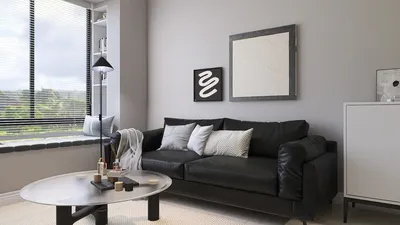


I often chuckle at the memory of a client requesting the chair rail to be set at face height with the belief that it would enhance wall art — spoiler alert: it didn’t have the desired impact. That little episode was a lesson on the importance of testing sightlines. Nowadays, I typically start with an interactive layout preview using Homestyler to assess how a rail interacts with furniture and artwork before making any cuts with a saw.
Elements like chair rails can provide a custom feel to a room without incurring high costs, and compact spaces often inspire the most creative solutions. Here, I’ll present five chair rail concepts for dining areas that I’ve successfully implemented in actual projects, along with some candid thoughts on their effectiveness and potential pitfalls.
1. Timeless Wainscoting with Chair Rail
I enjoy combining a basic chair rail with either raised or recessed wainscoting, as it gives an instantly polished and classic look. While a bit more labor-intensive and costly, the result is a dining space that feels layered and elegant; I once revamped a tiny rental dining nook into an Instagram-worthy corner using this method.
However, be cautious as wainscoting can make a lower-ceilinged room appear overwhelmed, so it’s advisable to keep the upper wall paint light to maintain an open atmosphere.
save pin
2. Striking Two-Tone Contrasts
My go-to method for infusing drama into a room is painting the wall below the rail in a bold hue while leaving the upper wall neutral. This technique is budget-friendly and can be easily updated by simply repainting the lower section if styles shift or if you change your dining chairs.
One downside is upkeep: while darker lower walls can mask scrapes, a glossy finish may highlight brush strokes, so it's essential to sand and prime the surface properly.
save pin
3. Gallery Rail: Display Above, Protection Below
Transform the chair rail into a focal feature by displaying a rotating collection of plates, frames, or mirrors above it; in many condo designs, this became a conversation starter for diners. If your layout is kitchen-dining open plan, utilizing Homestyler’s detailed guides can assist in ensuring that the rail and art don’t clash with the cabinetry.
While visually appealing, careful arrangement is key to preventing a cluttered look — a useful guideline I follow is having one larger piece for every two smaller ones.
save pin
4. Textural Contrast: Wood, Tile, or Wallpaper Panels
Incorporating a textured panel beneath the rail, such as narrow tongue-and-groove wood, decorative tiles, or washable wallpaper, adds visual interest and tactile variety. For example, I employed reclaimed pine for a rustic-modern dining area; it conveyed a luxurious vibe while remaining budget-conscious.
Textured materials can effectively conceal flaws and introduce warmth, but be mindful that they may be more difficult to replace later; choose materials that will stand the test of time.
save pin
5. Multi-Functional Rail: Hooks, Shelves, and Lighting
Enhance your chair rail’s functionality by adding slim shelves for small vases, hooks for aprons, or even low-voltage picture lights. In a compact eat-in kitchen, this approach not only saved countertop area but offered designated places for items without being gimmicky — plus it’s a great option for renters if reversible methods are employed.
Keep in mind that planning for wiring or anchor points may be necessary; however, those on a tight budget can achieve a similar look with peel-and-stick shelves or clip-on fixtures. To explore the potential of your design, utilizing an AI-powered moodboard can provide you with quick visuals of how these functional elements would look in your unique space.
save pin
FAQ
Q1: What is the ideal height for a dining room chair rail?
A: I typically install chair rails between 30 to 36 inches from the ground, depending on the chair height and visual proportions. For standard dining chairs, the optimal height often hovers around 32 inches.
Q2: Can chair rails make a space appear smaller?
A: They can, especially if the rail interrupts the wall at an awkward position or if the lower color is overly dark; I counteract this by maintaining light colors on upper walls and aligning the rail with the heights of the furniture.
Q3: Are chair rails merely decorative?
A: Not at all — they serve to safeguard walls from damage and can be anchors for decorative elements like wainscoting or gallery displays, providing both aesthetics and functionality.
Q4: What materials are best suited for below a chair rail?
A: My top picks include wood, beadboard, tile, and resilient wallpapers; selections should be made based on durability, budget constraints, and future ease of updates.
Q5: How do I align a chair rail with dining chairs?
A: I let the style of the chairs guide the profile of the rail — ornate chairs can support a more elaborate rail, while modern styles pair beautifully with simple, streamlined moldings.
Q6: Is it feasible to install a chair rail in a rental?
A: Absolutely — consider using removable trims or lightweight rails that can be removed with minimal wall damage; peel-and-stick decorative panels are also an option for imitating the desired look.
Q7: What common mistakes should I avoid?
A: The primary errors involve incorrect height placement, overly heavy lower finishes in smaller rooms, and misaligned sightlines with furniture. Make sure to measure accurately and use painter's tape for mockups before making any installations.
Q8: Are there any industry standards I should adhere to?
A: For construction and kitchen/dining coordination, guidelines set by organizations like the National Kitchen & Bath Association (NKBA) provide dependable standards for heights and clearances—these guidelines are invaluable for planners and designers alike.
Homestyler is your go-to online platform for effortless home design. With an intuitive design tool, stunning 3D renderings, and a wealth of inspiring video tutorials, you can easily create and visualize your dream spaces. Start transforming your home today with Homestyler!
Design Now for FREE
































