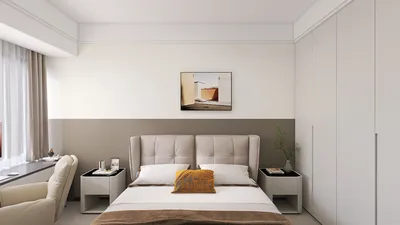


I still find it amusing when a client once requested an "olive jungle" bedroom adorned with neon pink pillows—this is a true story! I quickly discovered that olive green can create a bold statement or a soothing atmosphere based on its complementary colors, and I’ve learned that smaller spaces thrive on daring choices when approached with moderation. To avoid costly miscalculations, I typically visualize the layout before finalizing plans or testing color balances, often leveraging tools like Homestyler for enhanced design accuracy.
1. Let Olive Take Center Stage While Keeping Other Elements Subdued
I enjoy positioning olive as the focal point in the room—consider a painted headboard wall or long drapes—paired expertly with soft creams and light gray bedding. This method instantly adds depth without overwhelming the space; however, the challenge is to prevent a dull appearance by overusing muted shades. A trick I utilize is incorporating a crisp white linen pillow along with a low-gloss bedside lamp to elevate the entire aesthetic.
save pin
2. Comfortable Contrast with Warm Woods and Brushed Metal
Olive beautifully complements mid-toned woods and brass or antique gold hardware. In one of my projects, replacing chrome handles with brass and introducing a walnut bedside table transformed the ambiance from cold to warm and inviting. While it may require a larger initial investment, mixing different finishes is a worthwhile small indulgence that enhances overall perceived quality.
save pin
3. Prioritize Texture Over Patterns—Use Velvet, Woven Rugs, and Knits
When working with such a rich color, emphasizing texture is key: a velvet throw, a chunky knit blanket, or a low-pile jute rug keeps the visual experience engaging without being overpowering. For clients interested in previewing the tactile aesthetics, I showcase realistic 3D renderings created with tools like Homestyler, enabling them to see how various fabrics interact with light. However, one drawback is the need for careful cleaning—rich textures typically demand more delicate care—so I recommend easy-to-maintain alternatives for busy households.
save pin
4. Consider an Accent Wall or Upholstered Headboard
An olive accent wall behind the bed appears elegant and purposeful, while an upholstered headboard in olive fabric feels warm and inviting. Built-in elements painted in the same shade create a cohesive look and help conceal clutter, which is particularly beneficial in smaller spaces. For those on a budget, wallpaper alternatives or removable panels are excellent choices for renters or those who are unsure about their design choices.
save pin
5. Layering Lights and Introducing Live Greenery
Effective lighting can transform the appearance of olive green throughout the day: warm bedside sconces, dimmable overhead lights, and focused reading lamps are essential. I also like to introduce genuine plants into the décor—olive greens and lush greenery enhance each other and infuse life into the space. For clients aiming for quick layout changes and smart design tips, I occasionally leverage AI-driven layout suggestions, though I always analyze the results personally.
save pin
FAQ
Q1: Is olive green suitable for small bedrooms?
Absolutely, especially when harmonized with light neutrals and layered lighting; it can enhance depth without making the space feel cramped if you keep most surfaces light. It's advisable to use it as an accent rather than painting all four walls if you're concerned about the perceived space.
Q2: What colors complement olive green well?
I typically pair it with warm woods, creamy whites, soft grays, and brass accents, as they create a wonderful warmth and contrast. Steer clear of overcrowding the palette with numerous high-saturation colors unless you're aiming for a maximalist approach.
Q3: Should I fully paint the room olive?
Only if your room receives ample natural light or you desire a cocooning effect; otherwise, opt for one accent wall or incorporate olive through textiles and furniture for a less committed approach. Testing swatches on the walls at various times of day can provide valuable insights.
Q4: What fabrics pair best with olive green?
Fabrics such as velvet, linen, and textured cotton work beautifully—velvet adds depth, linen offers breathability, and cotton simplifies care. If easy maintenance is crucial, prioritize washable cotton blends and low-pile rugs.
Q5: How can I modernize my olive bedroom decor?
Maintain clean lines, utilize minimally patterned textiles, and incorporate contemporary hardware or geometric lamps to give the palette a modern twist. A standout feature—like a sculptural pendant light—can instantly refresh the room's ambiance.
Q6: Can olive green influence sleep quality?
Indeed—muted, cooler greens are generally calming and can enhance sleep quality when paired with dimmable lighting. The National Sleep Foundation notes that bedroom environment and lighting have significant impacts on sleep quality, so prioritizing soft, indirect light in the evening is essential.
Q7: Any budget-friendly tips for styling an olive bedroom?
Begin with paint (a low-cost improvement with a big impact), replace a few hardware items, and gradually introduce textiles. Thrifted wooden furnishings and DIY cushion covers are effective strategies to extend a limited budget.
Q8: Is it possible to mix olive with other shades of green?
Yes, but be mindful of the temperature variations—combine olive with cooler greens sparingly and use neutrals to create separation, or else the arrangement may appear muddled. Adding diverse textures helps each hue read as intentional rather than coincidental.
save pin
Discover your dream home with Homestyler! This user-friendly online platform offers a powerful design tool, stunning 3D renderings, and a wealth of interior design projects. Plus, with engaging DIY video tutorials, you can effortlessly bring your creative visions to life. Start designing today!
تصميم الآن مجانا
































