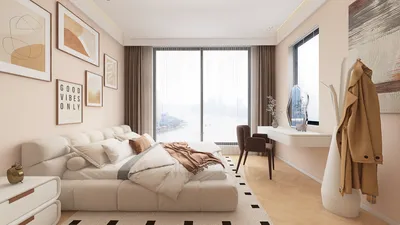


In recent times, the trend in living room design has centered on fostering warmth and authenticity. As an experienced designer who has revitalized numerous homes, I’ve discovered that wood flooring is among the most adaptable elements to incorporate. Particularly in compact spaces, this natural material shines—it demonstrates that small rooms can ignite substantial creativity. Today, I'm excited to share ten wood flooring ideas for living rooms, merging my personal experiences with expert design principles, with a nod to how tools like Homestyler can facilitate visualizing these concepts.
1. Minimalist Oak Planks
My Experience: During a renovation of a 30m² apartment, the installation of light oak floors elevated the entire ambiance—the simplicity was striking. Combined with neutral wall colors, the area appeared significantly larger.
Advantages: Light oak not only brightens a living room, making it feel airy, but also remains a classic choice that complements numerous color schemes. The National Wood Flooring Association indicates that natural oak boasts durability and longevity.
Disadvantages: High-traffic areas may display wear more quickly, so I suggest using area rugs in common pathways.
Tip: To enhance this aesthetic with intelligent layouts, consider ideas such as minimalist kitchen storage that syncs with an open-plan design for an inviting atmosphere.
2. Herringbone Pattern for Elegance
My Experience: When I installed herringbone walnut in a client's loft, the transformation was remarkable—it felt reminiscent of a chic Parisian apartment.
Advantages: This pattern provides visual intrigue without being overwhelming; it elevates even the simplest spaces, lending a touch of luxury.
Disadvantages: Installation can be more expensive and intricate, requiring skilled craftsmanship to prevent noticeable misalignments.
Cost Tip: Opting for engineered wood herringbone can offer a more economical alternative.
3. Dark Walnut Drama
My Experience: I love using dark walnut when clients seek contrast with white walls; the result is dramatic while feeling grounded.
Advantages: This choice anchors the room well and pairs splendidly with jewel-toned furniture for an upscale ambiance.
Disadvantages: It can easily showcase dust and pet hair, making it more suitable for spaces with abundant natural light.
4. Rustic Reclaimed Boards
My Experience: In a countryside cottage renovation, the reclaimed pine with its visible knots narrated its unique story—each plank exuded character.
Advantages: It's sustainable and distinctive, effectively concealing minor blemishes with its textured surface.
Disadvantages: The uneven surface may need additional upkeep, especially in the grooves.
Example: Combine rustic flooring with L-shaped layouts to maximize counter space, charmingly blending living and kitchen areas.
5. Wide-Plank Scandinavian Style
My Experience: For a small penthouse, I opted for wide pale birch planks, creating a room that felt clean, modern, and open.
Advantages: This design approach minimizes visual barriers, making the living area look more spacious and partnering beautifully with minimalist decor.
Disadvantages: Wide planks can expand in humid conditions; utilizing dehumidifiers aids in maintaining stability.
6. Mixed Width Planks
My Experience: In a boho-style loft, incorporating mixed widths created a unique, custom-crafted feel for the flooring.
Advantages: This design element injects texture and interest without the need for bold colors.
Disadvantages: It may appear overwhelming when paired with intricate area rugs, making solid-color textiles a better choice.
7. Whitewashed Finish for Coastal Vibes
My Experience: At a beachfront property, whitewashed oak beautifully mirrored sunlight, filling the living area with a warm glow.
Advantages: Ideal for bright, relaxed interiors, it effectively disguises sand or light dust.
Disadvantages: It is less forgiving when stained with darker colors and may need refinishing over its lifespan.
8. High-Gloss Polished Look
My Experience: A client desired their living area to feel akin to an art gallery—glossy walnut achieved that lustrous effect.
Advantages: It reflects light, enhancing brightness and imparting a sleek, formal touch.
Disadvantages: Scratches are more apparent and it may not be suitable for homes with active pets.
Note: Polished floors shine even brighter when complemented with glass backsplashes, creating an open ambiance in adjoining spaces.
9. Chevron Versus Herringbone
My Experience: The chevron style feels more modern; I executed this in a contemporary high-rise, pairing it successfully with steel fixtures.
Advantages: It creates a bold geometric statement, suitable for both compact and expansive living rooms.
Disadvantages: Precise cutting is required, leading to a bit more waste than traditional patterns.
10. Parquet for Vintage Charm
My Experience: Reviving original parquet from the 1960s in a suburban home felt like uncovering a hidden gem.
Advantages: Complete with heritage details, it instantly imparts character to any space.
Disadvantages: Regular upkeep is essential to maintain its classic allure.
Tip: Pair with vintage furniture to enhance the retro atmosphere.
Conclusion
Compact living rooms aren't confining—they inspire smarter design choices. From my perspective, wood flooring contributes warmth, texture, and individuality, all while harmonizing with the overall aesthetic. Moreover, the National Association of Realtors emphasizes that wood flooring can significantly boost property value. Which of these inspiring wood flooring ideas for your living room using Homestyler would you be keen to explore?
FAQ
1. What is the most durable wood flooring for a living room?
Hickory and oak are renowned for their durability, ideal for bustling households, as noted by the National Wood Flooring Association.
2. Can wood flooring create the illusion of a larger living room?
Absolutely—light-colored wide planks can visually enhance the space's dimensions.
3. Is engineered wood a viable option for living rooms?
Certainly. It’s stable, cost-effective, and offers an authentic wooden appearance.
4. Are dark floors suitable for smaller living rooms?
They can be effective if the room benefits from ample natural light and lighter furnishings are present.
5. How can I maintain wood flooring in a heavily used living area?
Implement rugs in high-traffic regions and conduct regular cleanings; applying a protective finish can also be beneficial.
6. What’s the distinction between herringbone and chevron?
Herringbone planks are cut square at the ends, while chevron planks meet diagonally at a 45-degree angle.
7. Is it feasible to mix wood tones in an open-plan living environment?
Yes, it’s achievable—contrast the undertones to maintain a sense of harmony.
8. Is reclaimed wood a sensible choice?
Certainly, particularly for rustic styles. It’s environmentally friendly and full of character, though extra sealing might be necessary.
Discover the ease of home design with Homestyler! This user-friendly online platform offers a powerful design tool, stunning 3D renderings, and a wealth of DIY video tutorials. Whether you're a beginner or a pro, you can effortlessly transform your space into a dream home!
立即免费设计
































