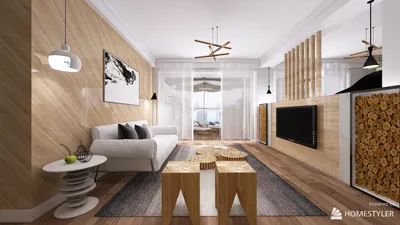


As a designer with over ten years of experience in transforming spaces, I can confidently assert that white is never just a plain hue. In the realm of modern interior design trends for 2024, white living rooms are being enhanced with unique textures, varied layers, and clever functional additions. This is particularly true for smaller areas where our imaginative approach shines — I’ve witnessed how compact city apartments have been brilliantly transformed into airy, welcoming environments simply by rethinking the application of white. In this piece, I’ll share 10 contemporary living room ideas featuring white, combining my design insights with data-driven evidence to inspire your own renovations.
1. Minimalist White Sofa as a Focal Point
My Experience: During a recent small apartment project, my client insisted on a plush grey sofa. However, I persuaded them to consider a minimalist, white modular sofa instead — this choice instantly expanded the room's visual appeal.
Advantages: A minimalist white sofa fosters an atmosphere of openness and brightness, especially in confined living areas. It is also adaptable to various trending modern living room styles.
Disadvantages: It requires more frequent cleaning since white fabric can easily show dirt, particularly in households with pets or children.
Suggestion: For homes prone to spills, choose machine-washable slipcovers crafted from soft materials.
2. White Walls Complemented by Warm Lighting
My Experience: I worked on a 35 sqm loft where stark white walls felt overly harsh — we alleviated this by introducing warm, diffused lighting.
Advantages: This approach enhances coziness while maintaining a clean, contemporary aesthetic. It pairs well with other neutral shades.
Disadvantages: Achieving harmony requires careful attention; too warm lighting can diminish the modern feel.
A memorable project of mine involved upgrading minimalist living room wall lighting, showcasing the dramatic impact that lighting alone can have.
3. Incorporating Layered White Textures
My Experience: White can appear flat without additional depth. I often blend linen throws, wool carpets, and matte finishes to create inviting layers.
Advantages: This strategy introduces visual intrigue without introducing color, keeping the area bright and tactile.
Disadvantages: It requires diligent upkeep to keep these layered elements looking fresh and dust-free.
Suggestion: Pair matte surfaces with soft textiles for the most welcoming effect.
4. Glossy White Floating Shelves
My Experience: Recently, I designed a studio apartment featuring glossy floating shelves over the sofa, displaying books and plants while beautifully reflecting light.
Advantages: Shiny finishes amplify light, creating the illusion of a more spacious living room — ideal for urban small apartments.
Disadvantages: Glossy surfaces are prone to displaying fingerprints.
Suggestion: Keep decorations minimal to enhance the room’s modern vibe.
5. Open-Plan White Layout with Glass Partitions
My Experience: I tackled a narrow living-dining space where we replaced a wall with a transparent partition — this retained openness while creating distinct areas.
Advantages: It promotes light flow while maintaining functional separations, a trend highlighted by various design magazines, including Elle Decor’s reports for 2023.
Disadvantages: Glass partitions can be expensive and require regular cleaning.
Our client’s transformation mirrored a successful case of open-plan design with glass partitions I frequently reference for layout inspiration.
6. White Built-in Media Wall
My Experience: Built-ins are my preferred solution for confined spaces; a white media unit seamlessly integrates with the wall, minimizing visual clutter.
Advantages: This type of storage enhances cleanliness while providing ample organization. White lacquer surfaces are particularly reflective in dim rooms.
Disadvantages: Permanent built-ins restrict future layout options.
7. Harmonizing White with Natural Wood
My Experience: Integrating natural wood into a white framework brings a room down to earth. In one project, we employed oak coffee tables against white walls for added warmth.
Advantages: This combination helps avoid the overly sterile ambiance often associated with all-white setups, aligning perfectly with Scandinavian décor styles.
Disadvantages: The wood tones must be carefully coordinated to prevent visual chaos.
Suggestion: Light oak or walnut pairs beautifully with soft whites.
8. Accenting in Matte Black
My Experience: Using black metal frames for décor against white walls can be striking yet not overwhelm the space.
Advantages: This approach adds contrast and definition; numerous interior trend reports emphasize that such contrast is crucial for contemporary designs.
Disadvantages: Excess black can cause the space to feel smaller.
Suggestion: Maintain a minimalistic approach with black accents.
9. Art Display Against a White Canvas
My Experience: A white living room serves as an ideal gallery. I have curated oversized art pieces in bold hues that easily attract attention.
Advantages: This design allows art to shine while keeping the background unobtrusive and tidy.
Disadvantages: Large artworks might dominate the space if not appropriately scaled.
This gallery-inspired redesign echoes a digital styling project I undertook, where curated wall art harmonized technology with personal flair.
10. Indoor Greenery in White Planters
My Experience: I always complete a living room project with plants — white planters ensure the highlight remains on the foliage.
Advantages: Plants inherently add life and color. Furthermore, they contribute positively to air quality, as documented by NASA’s Clean Air Study.
Disadvantages: Live plants necessitate regular care and maintenance.
Suggestion: Mix taller plants with smaller tabletop varieties for a balanced visual appeal.
Conclusion
Crafting a modern white living room is not about restrictions; rather, it focuses on thoughtful selections that render the space flexible, airy, and personal. As often noted by Architectural Digest, the most effective white interiors emphasize texture, lighting, and contrast. Which of these innovative white living room ideas would you implement in your own home?
Frequently Asked Questions
Q1: What is essential for a modern white living room?
A: Layered textures, intentional lighting, and practical furnishings keep a white space welcoming and warm.
Q2: How can I prevent a white living room from feeling chill?
A: Incorporate warm lighting, natural wood accents, and cozy fabrics to achieve a balance against the crisp backdrop.
Q3: Are white living rooms suitable for small areas?
A: Certainly. White reflects light effectively, making compact spaces appear more expansive, a principle supported by Houzz’s guide on small spaces.
Q4: What wall treatment is ideal for a white living room?
A: Opt for matte finishes that reduce glare; eggshell formulations offer durability, particularly in high-traffic zones.
Q5: Can I incorporate various shades of white?
A: Yes — mixing creams, off-whites, and pure whites creates depth without overwhelming the space.
Q6: How can I infuse personality into a white living room?
A: Introduce art pieces, textured rugs, and accent furniture to enhance visual engagement.
Q7: What flooring complements white interiors best?
A: Light wood, polished concrete, or soft grey tiles integrate beautifully with white furnishings and walls.
Q8: Are plants a good addition to modern white living rooms?
A: Indeed, greenery creates a vibrant contrast against white and promotes a healthier environment — utilizing Homestyler for visualizing plant arrangements can assist greatly in planning.
Homestyler is an exceptional online home design platform that empowers you to create stunning interiors effortlessly. With its user-friendly design tool, impressive 3D renderings, inspiring design projects, and helpful DIY video tutorials, bringing your vision to life has never been easier. Explore your creativity today!
Design jetzt kostenlos
































