

I once had a client who wanted their living room to simultaneously embody a serene seaside cottage and a vibrant art gallery — at noon and at night, no less. I chuckled, sketched out some ideas, and quickly created a visual mockup. I demonstrated how implementing a balanced two-tone wall paint scheme could capture both atmospheres without causing visual chaos. This small project taught me valuable lessons: in fact, limited spaces often benefit from bold two-tone choices even more than larger rooms. Utilizing a tool like Homestyler can further elevate such designs by providing a visual representation of the concepts.
1. High-Contrast Horizontal Divide
I have a fondness for a sharp horizontal divide: a rich, moody color on the lower part and a light, airy hue above. This technique visually lowers the ceiling and stabilizes furniture placement, which is especially beneficial in shorter rooms. However, precision is key with the trim line – it should be perfectly level, or it may appear careless. Spending a little extra time taping can save you from the costly mistake of having to repaint an uneven line.
save pin
2. Soft Ombre Transition
Ombre two-tone walls are my preferred choice when a client desires a dramatic effect without harsh boundaries. By starting with a bold color at the base and blending it into a lighter shade above, the gradient not only masks imperfections but also imparts a bespoke feel. While mastering the blending technique often requires practice and a sample wall session, getting the brush strokes right ultimately yields a luxurious, artistic finish that adds character to spaces designed with Homestyler.
save pin
3. Two-Tone with a Chair Rail — Modernized
Chair rails typically suggest a traditional design; however, I modernize them by combining unexpected color pairings — such as slate blue below with warm cream above — anchored by a slender, contrasting rail. This approach safeguards the walls from scuffs and creates a defined visual anchor for furniture height. To ensure your color scheme complements your furniture instead of clashing with it, it’s advisable to create a scale-accurate layout early in the process.
save pin
4. Color-Blocked Feature Corner
Instead of painting a full wall, I sometimes opt for color-blocking in a corner or a vertical slice, which adds an accent without overwhelming the room. This technique is both budget-friendly and makes a bold statement; it allows you to achieve maximum impact with minimal paint. Just be sure to select a position that frames seating or a focal point, ensuring the placement appears intentional rather than arbitrary.
save pin
5. Ceiling & Molding Contrast
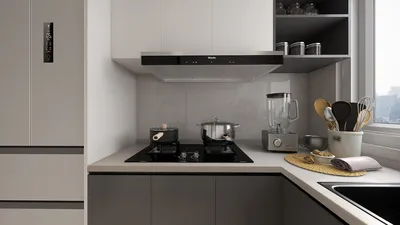
One of my clever tricks is applying a darker shade on the ceiling or the molding as the second color. This approach infuses depth and individuality into a space, particularly in narrow hallways and compact kitchens. While painting 'upwards' might seem counterintuitive, it often results in a cozier and more layered feeling. For kitchen areas where workflow is crucial, I incorporate color choices into the overall kitchen design layout within Homestyler, ensuring that finishes align with functionality.
save pin
FAQ
Q1: What is the best ratio for two colors on a wall?
I often suggest a 70/30 or 60/40 split, depending on the desired ambiance — a dominant color for tranquility and a balanced mix for energy. It’s beneficial to test this with large paper swatches on the wall at different times of the day.
Q2: Are two-tone walls suitable for small rooms?
Definitely. Two-tone designs can create the illusion of height or coziness in small spaces, depending on how they’re applied. Using darker tones at the base grounds the room, while lighter tones above can make it feel more open.
Q3: Which paint finish works best for two-tone walls?
A flat or matte finish conceals imperfections well, while eggshell or satin finishes are easier to clean for the lower sections prone to scuffs. It’s wise to opt for smoother finishes in high-traffic areas for durability.
Q4: How do I prevent the dividing line from looking uneven?
Using high-quality painter’s tape and a level is essential, and always remove the tape while the paint is still slightly damp to avoid peeling. Taking the time to prepare correctly can save considerable repainting effort.
Q5: Can I use two tones in an open-plan living area?
Absolutely — you can utilize color to delineate zones without physical barriers. It’s important to maintain a consistent undertone between the chosen colors to ensure cohesion throughout the open space.
Q6: How much extra does two-tone painting cost?
Material costs are relatively low — mainly extra paint and tape — but labor might increase if intricate dividing details are involved. For most small rooms, it’s wise to budget a bit more for preparation and taping time.
Q7: Any quick tips for choosing complementary two tones?
Select a dominant color that resonates with you, then choose a second color that has a similar undertone (either warm or cool). It's useful to live with wall samples over several days before making your final decision.
Q8: Where can I find professional guidance on paint basics?
Reputable paint brands like Benjamin Moore provide technical resources on finishes and paint behaviors. For trustworthy standards and recommendations, check out the paint basics section at Benjamin Moore (https://www.benjaminmoore.com/en-us/for-your-home/ask-a-painter/paint-basics).
save pin
Discover the ease of home design with Homestyler! This user-friendly online platform offers a powerful design tool, stunning 3D renderings, and a wealth of inspiring design projects and video tutorials. Transform your space effortlessly and unleash your creativity today!
Design Now for FREE
































