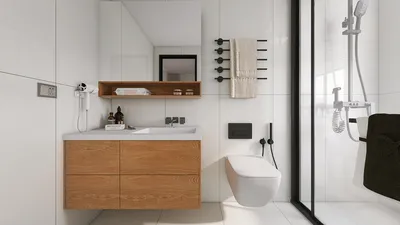


I once decided to paint a client's compact studio a playful pink, only to realize the hard way that the shade can look entirely different under artificial illumination. Now, I always draft quick layout ideas before settling on a color tone to ensure it harmonizes with the light and furnishings. When dealing with small spaces, great design ideas can emerge, and I have curated five pink palettes that perform well in limited areas, thanks in part to tools like Homestyler for visualizing the results.
1. Dusty Rose for Inviting Vibes
Dusty rose is my preferred choice when clients seek warmth without the sugary feel. This shade fits seamlessly into reading corners or bedrooms, beautifully complementing matte brass and warm wood. However, it can appear moody in north-facing rooms unless enhanced by additional lighting. A touch of cream trim and layered textiles typically brightens up the space swiftly.
save pin
2. Blush Paired with Warm Neutrals
Blush pink harmonizes wonderfully with shades of beige and taupe, making it ideal for renters wanting a splash of color without a long-term commitment. I often recommend this hue, as it cleverly conceals minor imperfections better than stark whites. To avoid the risk of too much beige dulling the area, I introduce accent patterns or black hardware to inject character.
save pin
3. Millennial Pink as an Accent
For an accent wall that remains stylish beyond fleeting trends, millennial pink is a perfect fit—it's vibrant, inviting, and unexpectedly calming. I frequently suggest pairing it with cabinetry or tiles, considering it a backdrop that enhances pale wood. When contemplating the layout for fitted storage, check out kitchen design samples in tools like Homestyler to ensure the pink remains visible and tidy.
save pin
4. Soft Coral for Chilly Spaces
Rooms facing north can appear cold, and soft coral reinvigorates warmth without veering into neon territory. It captures the limited daylight, reflecting a golden warmth; however, it can clash with cooler grays. Balancing it with white or warm gray trim and simple metallic accents usually works well. Pro tip: always test a sample pot on a large wall before making a final decision, as lighting can significantly alter how coral looks compared to other shades.
save pin
5. Pastel Pink with Bold Trim
Using pastel pink walls with high-contrast trim—think charcoal or deep navy—injects drama into small spaces without overwhelming them. I applied this combination in a tiny powder room where clients expected something sweet but were thrilled by its sophistication. Precision in cutting when painting the trim can be a minor challenge, but a steady hand and painter's tape can achieve excellent results. To visually present ideas, I sometimes create 3D room renders using Homestyler, enabling clients to see how trims and fixtures complement the walls.
save pin
FAQ
Q: How can I select the perfect pink for a small room?
A: Begin by considering the room's natural light—opt for warmer hues like coral or dusty rose in north-facing areas and cooler blush shades for bright south-facing rooms. Always test sizeable samples at different times during the day before you finalize your choice.
Q: Does pink make a small room appear smaller?
A: Not necessarily—muted pinks can actually open up a space when used alongside reflective finishes and thoughtful lighting. It's best to avoid heavy, saturated magenta if you want to maintain a sense of spaciousness.
Q: What colors pair well with pink walls?
A: Safe pairings include warm woods, creams, and soft grays; for a bolder contrast, consider deep navy, charcoal, or matte black accents. Metallics like brass often add a touch of luxury that I frequently recommend.
Q: Is pink suitable for kitchen designs?
A: Absolutely—soft pinks can provide a fresh feel in the kitchen when balanced with durable surfaces and practical layouts. Coordinate color placement with appliance and cabinetry locations to maintain a visually appealing setup without clutter.
Q: Are pink paints durable and easy to touch up?
A: The durability of paint is influenced more by its finish than its color—eggshell and satin finishes are forgiving on walls and easy to clean. Keep a small labeled pot for touch-ups; it saves time in addressing marks.
Q: How significantly does lighting impact pink paint?
A: It has a considerable effect—artificial lighting can shift pinks toward warmer or cooler shades. Sherwin-Williams points out that the light's source and direction are crucial in color perception, hence, always examine samples under the actual lighting conditions of the room (https://www.sherwin-williams.com).
Q: Any budget-friendly ideas to experiment with pink?
A: Consider painting one accent wall or trying peel-and-stick wallpaper in a pink tone to evaluate your commitment before a complete overhaul. Replacing textiles like throw pillows and rugs is a cost-effective method to test the color palette.
Q: How can I ensure pink feels modern instead of overly sweet?
A: Incorporate pink alongside sharp trims, matte black or deep navy features, and contemporary lighting. Minimize clutter; modern styling and strong contrasts will make pink seem intentional and up-to-date.
save pin
Homestyler is your go-to online home design platform, perfect for turning your ideas into reality. With its user-friendly design tool, stunning 3D renderings, and a wealth of DIY video tutorials, creating your dream space has never been easier or more fun!
Design Now for FREE
































