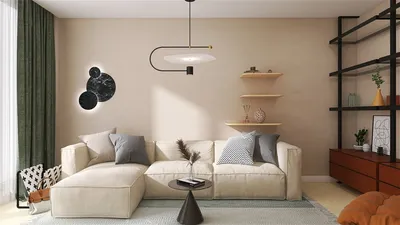


In recent times, I've observed a notable inclination towards incorporating nature-themed elements into interior spaces, where nature-inspired living rooms are not merely limited to expansive areas anymore. Even compact spaces can ignite vast creativity, and I've successfully transformed several small living rooms into tranquil havens. Today, I’d like to present 10 of my favorite nature-themed living room concepts, merging my practical design expertise with insights gained from design research, all while utilizing tools like Homestyler for optimal results.
1. Cozy Wooden Elements
My Experience: I once revamped a 20m² apartment where the introduction of walnut shelves instantly grounded the space, making it feel inviting and warm. It’s remarkable how wood's texture can elevate a simple area.
Advantages: Warm wood tones are visually appealing and harmonize beautifully with nature-inspired designs. Architectural Digest notes that natural wood can enhance a room's snugness by as much as 30%.
Disadvantages: Wood surfaces can wear over time, necessitating regular maintenance, particularly in brightly lit rooms.
Advice: Reclaimed wood offers an eco-friendly and cost-effective solution for design projects.
2. Vertical Green Walls
My Experience: In one condo renovation, we implemented a vertical garden to cleverly mask an awkward column — visitors assumed it was a deliberate design choice. Incorporating greenery at eye level can drastically alter the ambiance.
Advantages: It significantly enhances indoor air quality and acts as a captivating focal point. Research by NASA confirms that plants can effectively eliminate indoor toxins.
Disadvantages: These installations require consistent watering and lighting; artificial alternatives often miss out on the genuine feel and aroma.
Case Study: We managed maintenance by combining live and preserved plants for a lush, low-maintenance green wall.
3. Expansive Windows
My Experience: In a coastal apartment I remodeled, full-height windows seamlessly blended the living space with the balcony, allowing views of the sea and sky to flood in. Pairing these windows with sheer curtains maximized natural light.
Advantages: They optimize daylight, reducing reliance on artificial lighting, while making the space appear larger.
Disadvantages: These windows can result in heat gain or loss; investing in high-quality glazing may be necessary.
Explore how L-shaped layouts maximize surface area when paired with generous windows — a real breakthrough in one of my nature-inspired designs using Homestyler.
4. Natural Stone Accents
My Experience: A client desired a fireplace feature that exuded timelessness. We used slate in rich, earthy hues to create both a central attraction and a starter for conversations.
Advantages: Stone is robust, heat-resistant, and captivates attention, ideal for earthy and grounding aesthetics.
Disadvantages: The installation can be heavy and costly and may necessitate professional sealing.
Advice: Consider using stone veneers for a lighter, more budget-friendly alternative.
5. Nature-Themed Patterns & Textiles
My Experience: I once placed leaf-pattern cushions over a linen sofa, transforming the entire atmosphere of the room toward a tropical vibe without structural alterations.
Advantages: They offer an easy matchup for seasonal updates, making it a budget-friendly option to integrate nature's designs.
Disadvantages: Excessive prints might overwhelm the space, making it appear cluttered.
Advice: Maintain a cohesive color palette to harmonize different patterns.
6. Earthy Neutral Color Schemes
My Experience: For compact living areas, I admire the use of beige, taupe, and soft greens. These tones provide a tranquil base for layering different textures.
Advantages: Timeless and versatile, this palette complements various decor styles while enhancing the presence of natural elements.
Disadvantages: Without diverse textures, the color scheme may feel dull.
In my mid-century remodel, I found that combining these colors with wooden accents created a harmonious, warm environment.
7. Sustainable Materials
My Experience: I've been sourcing bamboo flooring and recycled glass decor, both of which not only look wonderful but also tell an inspiring story of conscious living.
Advantages: They promote sustainability, are typically hypoallergenic, and introduce unique textures.
Disadvantages: Initial costs can be higher; some recycled materials may have limited color options.
Advice: Start with small accessories to gradually transition to more eco-conscious decor.
8. Nature-Inspired Lighting Fixtures
My Experience: I installed a pendant light crafted from rattan in a boho-themed living space — the shadows it casts mimic sunlight filtering through tree branches.
Advantages: This type of lighting adds organic warmth, enhances wood and textile features, and contributes to a soft ambiance.
Disadvantages: It may produce subdued lighting; best used as supplemental or mood lighting.
One of my favorite outcomes involved pairing this lighting with glass backsplashes, creating a more spacious feel in interconnected areas while using Homestyler to visualize the integration.
9. Outdoor Furniture Integration
My Experience: In one project, incorporating a wicker chair indoors beautifully blurred the boundaries between the outdoor and indoor environment. It also stood up well to pet traffic.
Advantages: These pieces are typically lightweight and durable, bridging indoor and outdoor aesthetics.
Disadvantages: They might appear too casual in formal settings; cushions may require more attention indoors.
Advice: Combine them with more formal upholstery to elevate the design.
10. Indoor Water Features
My Experience: Adding a tabletop fountain in a client’s living area not only enhanced the space but also introduced a serene auditory element.
Advantages: It fosters relaxation, adds a unique touch, and can help humidify the environment.
Disadvantages: Requires cleaning to prevent algae build-up; a stable surface is essential.
Advice: Consider self-contained units for simplified upkeep.
Conclusion
Creating a nature-inspired living room is not about imposing limitations — rather, it’s about making intelligent choices to deepen our connection with our surroundings. Even in smaller areas, thoughtful design can manifest an expansive and serene retreat. As noted by the American Society of Interior Designers, biophilic design has been shown to enhance both mental well-being and productivity. Which of these nature-centric ideas would you be eager to implement in your home? For better visualization, tools like Homestyler can greatly assist in your design journey.
FAQ
1. What defines a nature-inspired living room?
It's a space curated to incorporate elements such as wood, stone, plants, and natural light, creating a soothing ambiance.
2. Can nature-inspired design enhance small living rooms?
Definitely. Compact spaces can utilize vertical gardens, light hues, and multifunctional natural materials to cultivate an illusion of grandeur and tranquility.
3. What colors are most appropriate for nature-themed living rooms?
Earth tones like beige, taupe, green, and terracotta resonate beautifully, reflecting natural landscapes and providing a tranquil atmosphere.
4. Which indoor plants are the easiest to care for?
Plants such as snake plants, pothos, and ZZ plants are resilient and enhance air quality, supported by NASA's Clean Air Study findings.
5. How can I introduce natural elements without extensive renovations?
Incorporate botanical prints, wooden decorations, and small potted plants to easily infuse nature into your space without major construction.
6. What eco-friendly materials are suitable for living rooms?
Bamboo, reclaimed wood, and recycled glass are excellent choices, offering character while adhering to sustainable practices.
7. How do I care for a green wall indoors?
Ensure there’s enough light, regular watering, and occasional fertilization. Modular setups can simplify upkeep.
8. Can lighting enhance a nature-themed ambiance?
Absolutely! Warm-toned lighting and materials like rattan or wood can complement natural aspects and deepen the overall atmosphere.
Homestyler is your go-to online home design platform! With its easy-to-use design tool, stunning 3D renderings, and a wealth of design projects and video tutorials, you can effortlessly create and visualize your dream home. Start your design journey today!
Design Now for FREE
































