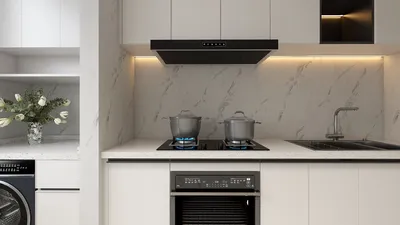


There was an instance when I installed hexagon tiles the wrong way on a client's living room feature wall, all due to the charming distraction caused by their talkative cat — a memorable lesson! We shared a good laugh, rectified the tiles, and I understood that tiles do more than just cover surfaces; they create an ambiance. Particularly in smaller living rooms, the right tile selection can transform constraints into stunning statements. In this article, I’ll explore five captivating tile designs for living room walls I've applied in real projects, focusing on enhancing texture, depth, and personality while incorporating the use of Homestyler.
1. Subway Tile with Dark Grout for a Modern Classic
Subway tiles are my preferred choice when seeking a clean aesthetic without complications. Combining them with dark grout adds a dramatic, industrial feel that can visually enlarge the space. This option is not only budget-friendly but also simple to install; however, it’s important to note that grout can wear down over time — a regular sealing and a quick scrub can maintain its sharp appearance. I applied this in a rental living room, and it undeniably made the space feel crisp and more expansive.
save pin
2. Large-Format Porcelain for Seamless Minimalism
Using large porcelain slabs can create nearly seamless walls with fewer grout lines, effectively opening up tighter spaces visually. This design provides an elegant, gallery-like backdrop that is not only durable but also requires minimal upkeep. The major challenges are related to cost and installation — larger tiles necessitate meticulous planning and sometimes the expertise of professional installers. I suggested this solution to a client desiring a tranquil, luxurious appearance, and the outcome was nothing short of cinematic.
save pin
3. Textured Ceramic Panels for Cozy Depth
When a living room lacks dimension, textured ceramic tiles contribute a comforting warmth without overcrowding the space. Imagine wave patterns or subtle reliefs that reflect light in unique ways throughout the day. These are ideal for accent walls behind sofas or media consoles, although cleaning intricate textures can be a bit tricky. I once integrated a soft gray textured panel with warm wood shelving, converting an ordinary corner into a striking focal point.
save pin
4. Geometric Mosaic for Playful Personality
Geometric mosaics infuse playful energy into confined living areas while allowing a customized color palette. They are perfect for creating a bold feature wall or an artistic tile mural. The downside is that overusing mosaics can lead to a cluttered appearance, so I typically recommend utilizing them on just one wall. In one studio project, a hexagonal mosaic framed the TV area, giving the entire apartment a thoughtfully designed look rather than a haphazard arrangement.
save pin
5. Natural Stone Veneer for Earthy Elegance
Natural stone veneer introduces an organic texture and warmth, enhancing modern furnishings and soft textiles. It pairs remarkably well with indoor greenery and warm metallic elements. While stone can be more expensive and may require sealing, its authenticity is truly incomparable. I incorporated a stacked stone veneer in a compact living room, achieving a depth that painted walls simply couldn’t offer.
save pin
Tips 1:
Here are some practical suggestions: always order additional tiles (at least 10%) to accommodate cuts and future replacements; test a full-sized sample in the lighting of your room; and consider how the grout color will transform the overall appearance. If you wish to envision layouts prior to making a purchase, explore the features of Homestyler’s 3D floor planner to accurately visualize scale and pattern in your unique space.
save pin
FAQ
Q: What are the best tile types for living room walls? A: The most common options are porcelain, ceramic, and natural stone veneers — with porcelain known for its durability, ceramic for its variety, and stone for its texture.
Q: Are wall tiles suitable for small living rooms? A: Absolutely — large-format tiles or vertically stacked layouts can create an illusion of height and spaciousness.
Q: How should I select a grout color? A: Choose grout to either contrast and accentuate the pattern or to match it for a cohesive look; dark grout conceals stains while light grout enhances brightness.
Q: Can tiles be installed over existing drywall? A: Typically yes, provided proper backer board or priming is used; always check local building codes and consult with an installer for heavier tiles.
Q: What maintenance is required for wall tiles? A: Regular dusting and occasional wipe-down; the grout may need resealing based on the material used.
Q: Do natural stone veneers require high maintenance? A: Some stones do require sealing and consistent care; it’s best to check with the stone supplier for specific maintenance tips.
Q: How can I preview tile layouts before purchasing? A: Utilize digital mockups or a room planner, such as Homestyler, to assess scale, colors, and patterns in your actual dimensions — this can prevent costly errors. Consult the National Tile Contractors Association for installation standards.
Q: Is it possible to mix tile types on the same wall? A: Yes, however balance is crucial — use one dominant tile and a secondary accent to prevent visual chaos.
save pin
Discover your dream space with Homestyler! This user-friendly online design platform offers a powerful design tool, stunning 3D renderings, and a wealth of inspiring design projects and DIY video tutorials. Transform your home effortlessly, whether you're a beginner or a seasoned designer!
Zaprojektuj teraz za darmo
































