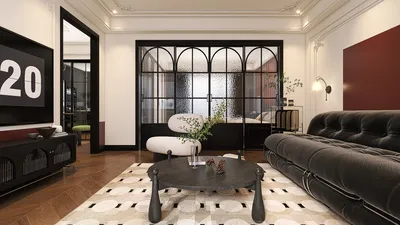


With over 10 years of experience in the realm of interior design, I've identified a notable shift: contemporary living rooms are gravitating towards simpler, more purposeful decorative choices. When it comes to small spaces, selecting the right table centerpiece can dramatically enhance the overall atmosphere. Small areas often inspire immense creativity, and today, I'm excited to present ten centerpiece ideas for your living room table, each inspired by my personal projects and backed by design insights using Homestyler.
1. Minimalist Floral Arrangement
My Perspective: I adhere to the "less is more" approach. A single vase filled with fresh seasonal flowers instantly rejuvenates a compact living room without contributing to clutter.
Pros: Simple to update with the seasons, injects a burst of color, and aligns perfectly with the minimalist living room trends, as reported by Elle Decor (2024).
Cons: Requires consistent maintenance; wilted blooms can negatively impact the room's ambiance.
Tip: Opt for a slender, tall vase to conserve surface area.
2. Decorative Tray with Layers
My Perspective: I frequently use a decorative tray as the foundation for my centerpieces — layering items such as candles, a small plant, and interesting books. This approach created an elegant focal point in a client's petite apartment without overwhelming the table. It mirrors the layered aesthetic found in minimalist kitchen storage designs where visual harmony is essential.
Pros: Organizes items effectively, enables effortless swapping of elements, and visually blends various textures.
Cons: May appear overly staged if cluttered; cleaning can become cumbersome with multiple items.
3. Statement Sculpture
My Perspective: A striking yet compact art piece can ignite conversations. In my residence, a matte ceramic sculpture graces the coffee table, attracting the attention of guests.
Pros: Infuses character, fosters an art-centric atmosphere, and requires no ongoing maintenance.
Cons: May not suit homes with children or pets; can appear out of place if it clashes with the room's design.
4. Glass Cloche Display
My Perspective: Using a clear glass cloche to showcase a collection of small seashells from a client's travels turned it into a captivating storytelling element in their living area.
Pros: Safeguards delicate items from dust, introduces a museum-like vibe, and enhances light reflections.
Cons: Limited capacity for items; glass is fragile and requires regular cleaning.
5. Stacked Coffee Table Books
My Perspective: Coffee table books are excellent conversation starters. By stacking 2-3 large-format examples and topping them with a small decorative item such as a candle, you create an inviting look.
Pros: An economical method to showcase personality; serves as functional reading material.
Cons: Accumulates dust; not ideal for very compact tables.
Tip: Change the book selection based on the seasons or current trends.
6. Bowl of Natural Elements
My Perspective: A hand-carved wooden bowl filled with seasonal fruits or pinecones has added warmth to many clients' living rooms, especially those seeking a cozy, natural ambiance.
Pros: Introduces texture and seasonal beauty; can be functional with edible items.
Cons: Necessitates occasional refresh; avoid messy items like nut shells if cleaning is a concern.
7. Candle Cluster
My Perspective: In one project, I transformed a dim living room by grouping various heights of pillar candles on a glass tray — a cost-effective way to amplify light and softness, akin to creating openness with glass backsplashes in compact kitchens.
Pros: Establishes a warm atmosphere, wallet-friendly, and easy to adjust.
Cons: Scented candles can be overwhelming; open flames need safety considerations.
8. Succulent Garden
My Perspective: In another design, we combined numerous small succulents in a broad ceramic planter — the mix of green hues added subtle vitality to the modern space.
Pros: Requires little maintenance, compact, and excels in bright indoor settings.
Cons: Some varieties may struggle in low light; overwatering is a common issue.
9. Seasonal Fruit Display
My Perspective: For a spring gathering, I filled a glass pedestal bowl with lemons and limes — this splash of color elevated the entire room. This method can be likened to using an L-shaped layout to optimize counter space, focusing on making a significant impact in confined areas.
Pros: Instantly revitalizing, simple to change with the seasons, and edible.
Cons: Short lifespan; certain fruits may invite pests during warmer months.
10. Textured Fabric Overlay
My Perspective: At times, the surface itself can become a standout feature. A soft linen runner or woven fabric draped over the coffee table creates an attractive frame for any items placed on top.
Pros: Adds warmth, conceals imperfections on the table, and is easy to clean.
Cons: Requires washing; fabric may slide on smooth surfaces if not secured.
Conclusion: A small living room doesn't indicate limited design options; it simply calls for smarter styling choices. The right centerpiece can serve as a work of art, a practical element, and a conversation starter, as highlighted by the American Society of Interior Designers (ASID, 2023). Which centerpiece idea are you eager to implement in your space?
FAQ
1. What are the best living room table centerpieces for small spaces?
Select pieces that harmonize proportion and functionality — such as a compact floral arrangement or an organized decorative tray arrangement.
2. How often should I update my living room table centerpiece?
Adopting seasonal transitions every three months is a perfect rhythm for maintaining freshness and variety.
3. Are candles safe as centerpieces?
Definitely, if used carefully — keep flames away from flammable items and never leave them unattended.
4. Can I blend various centerpiece concepts?
Certainly — for instance, pairing stacked books with a small plant can introduce layered textures.
5. What’s the most popular living room table centerpiece trend for 2024?
Minimalist and organic styles — including natural woods, handcrafted ceramics, and soft greenery — are trending according to Architectural Digest (2024).
6. Should my centerpiece coordinate with my sofa or rug colors?
Not necessarily matching, but it should complement. Choose tones that either harmonize or create a subtle contrast.
7. How do I determine the appropriate centerpiece size?
Aim for one-third the width of the table's surface to maintain its functionality for regular use.
8. Where can I discover inspiration for centerpiece styling?
Explore curated design project galleries — similar to the inspirational ideas available through Homestyler and other AI-enhanced interior design tools to visualize before making purchases.
Discover the power of Homestyler, your ultimate online home design companion! With an easy-to-use design tool, stunning 3D renderings, and a wealth of DIY video tutorials, you can effortlessly create and visualize your dream spaces—perfect for both beginners and seasoned designers alike!
Design Now for FREE
































