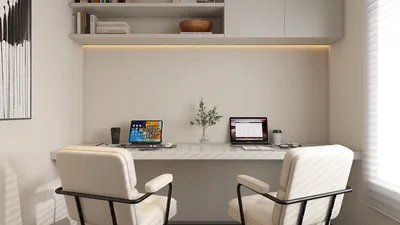


Once, I undertook a painting project for an entire kitchen while nearly blindfolded—at least it felt that way! A client envisioned a “moodier” kitchen, but I misunderstood the color sample, resulting in a stormy charcoal hue that absorbed all the light. Through this experience, I realized quickly that grey is a formidable but selective color. Particularly in smaller areas, the right grey selection can transform a cramped kitchen into an inviting and polished retreat. In this article, I will explore five grey cabinet color ideas that I have recommended to clients, discussing why each works effectively, along with the practical trade-offs I've learned through experience, including the use of the Homestyler tool for visualizations.
1. Pale Greige (Warm Grey-Beige)
Pale greige is my preferred choice when clients seek warmth combined with a modern serenity. It appears soft in kitchens that receive north-facing light and complements warm wood shelving beautifully. The benefit of this color is that it conceals minor wear and harmonizes well with warmer countertops. However, it may give off a beige appearance under warm lighting, so it's essential to test it with your actual light fixtures. For layout evaluations, I often leverage the free floor plan visuals provided by Homestyler to see how finishes will look in the space.
save pin
2. Cool Ash Grey
Cool ash grey offers a crisp, modern flair, making it ideal for sleek hardware and stainless steel appliances. It helps small areas maintain an airy feeling while delivering more depth compared to traditional white. One advantage is its suitability for minimalist designs; however, its icy tones can appear sterile unless paired with textured features like matte tiles or woven baskets for warmth.
save pin
3. Mid-Depth Slate
Slate grey is both dramatic and adaptable; I once implemented it in a small urban kitchen featuring brass pulls to create a jewel-like aesthetic. It effectively hides stains and looks sophisticated in both matte and satin finishes. The trade-off is that you'll require sufficient task lighting to prevent a cave-like ambiance, especially on the lower cabinets where shadows can accumulate.
save pin
4. Greys with Blue Undertones
Greys infused with blue undertones can beautifully complement white veined quartz and coastal decor. They help to create an illusion of spaciousness and convey tranquility. I once transformed a cramped galley kitchen by mixing blue-grey lower cabinets with white upper cabinetry, which significantly enhanced the perception of space. A small caveat, however, is that undertones can shift with the changing sunlight throughout the day, so it’s prudent to test colors at various times.
save pin
5. Deep Charcoal (Almost Black)
Deep charcoal exudes bold sophistication; I typically recommend it for island cabinets or feature walls rather than applying it to an entire small kitchen. It serves to anchor the space, beautifully contrasting with warm wood floors. However, it does have its downsides—showing dust and scratches more prominently and needing strong contrasts to mitigate potential heaviness in the mood. For visualizing dramatic color schemes, I sometimes create 3D renderings using Homestyler's tools to illustrate the intended effect to clients.
save pin
Tips 1:
The lighting in your kitchen is crucial: always assess cabinet samples under your kitchen's actual lighting conditions during both morning and evening. Mixing tones—having lighter upper cabinets paired with darker lowers—can be a great strategy for small spaces. I’ve also learned to align the undertones of hardware and countertops to avoid any unwanted color clashes. To experiment with layouts and finishes more quickly, consider using the room planner mockups available on Homestyler to accelerate client approvals.
save pin
FAQ
Q: What is the most versatile grey for kitchens? A: Pale greige is highly adaptable, working seamlessly across styles from farmhouse to modern due to its balanced warm and cool notes.
Q: Do grey cabinets create a smaller appearance in a kitchen? A: Not necessarily—mid-tone greys can provide depth without constricting space, particularly when paired with reflective backsplashes or lighter upper cabinets.
Q: How do I choose the right undertone for my cabinets? A: Assess samples against your countertop and flooring in different lighting conditions; blue, green, or brown undertones will reveal themselves as light shifts.
Q: Should I choose matte or glossy finishes with grey? A: Matte finishes offer a contemporary look and disguise minor imperfections; glossy finishes add reflectivity which can help in tighter spaces but are prone to showcasing fingerprints.
Q: Is it possible to mix different shades of grey in one kitchen? A: Absolutely—combining a darker base with lighter upper cabinets or an accent island creates visual contrast and prevents monotony.
Q: How can I maintain dark grey cabinets? A: Regularly use microfiber cloths along with pH-neutral cleaners; be prepared to clean high-touch areas more frequently due to fingerprints.
Q: Where can I find realistic renders of grey cabinets? A: Professional services can assist with detailed 3D renders; for more accessible previews, consider exploring Homestyler’s 3D floor planner case studies.
Q: Are there established guidelines regarding the lightfastness of paint? A: Yes—it's advisable to consult ASTM standards which outline specifications for paint durability and lightfastness (ASTM International).
save pin
Looking to transform your home effortlessly? Homestyler is your go-to online platform! With its user-friendly design tool, stunning 3D renderings, and a wealth of DIY video tutorials, you can create beautiful spaces that reflect your style—all without any design experience!
Design Now for FREE
































