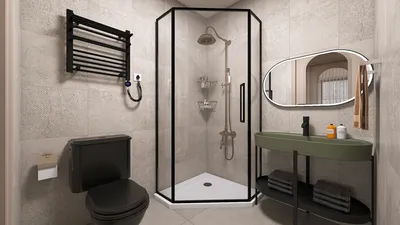


I once had a client determined to cover every inch of their bathroom in a color called "slate mood" — from the ceiling right down to the towel hooks. After a week of discussions, I managed to show them how gray can evoke drama without making a space feel claustrophobic. Following several mockups and a little celebration when natural light made its appearance, we finally discovered the perfect shade: a gray that not only brightens but also adds definition, imbuing small bathrooms with a luxurious feel. Indeed, small spaces propel immense creativity, and today I’m excited to share five of my favorite gray paint ideas for bathrooms that I find myself using frequently.
1. Soft Greige for Warmth and Depth
My preferred choice for bathrooms enhanced by warm light or wooden accents is greige, a soothing combination of gray and beige. It adds depth while maintaining warmth in the space. Its versatility is a significant benefit, elegantly complementing oak vanities and brass fixtures; however, be cautious not to stray toward a too-beige tone if you desire a clear gray aesthetic. A helpful tip is to test paint swatches on various walls, as the same greige can appear dramatically different beside the shower compared to above the sink.
save pin
2. Cool Light Gray to Amplify Natural Light
For compact bathrooms with even a tiny window, a cool light gray will reflect sunlight, creating an illusion of a larger space. This shade pairs excellently with white trim and tiles that mimic marble. The only downside? In rooms that face north, cool grays may come off as too icy, so incorporating warm metal finishes or textured towels can add a touch of coziness. When brainstorming layout ideas, I often use a 3D mockup tool to experiment with paint colors and see how lighting impacts the overall look — it’s a great way to avoid future headaches. Tools like Homestyler enable me to visualize paint options effectively.
save pin
3. Deep Charcoal as a Feature Wall
Introducing a single deep charcoal wall behind the vanity or in a niche can dramatically enhance the room without overwhelming it. This method adds character and does an admirable job of concealing scuffs compared to lighter paints. However, a critical aspect to consider is lighting; make sure there's sufficient ambient light or mirror fixtures since dark colors absorb light. I have used charcoal to frame mirrors and artwork, making these elements stand out and providing a surprisingly modern aesthetic.
save pin
4. Warm Mid-Gray with Contrasting Trim
Combining a mid-gray on the walls with crisp white trim results in a polished, classic ambiance. This contrast emphasizes architectural features and instantly elevates the look to one reminiscent of high-end design, all while being budget-friendly. Just a word of caution: the trim requires meticulous preparation since any imperfections will be visible; investing in a quality primer and two coats of paint is essential for a flawless finish.
save pin
5. Pale Blue-Gray for a Spa-Like Feel
Soft blue-gray tones evoke serenity and a spa-like environment, striking the perfect balance between calmness and the elegance that gray offers. These shades work harmoniously with both warm and cool fixtures and look sublime alongside plants and matte black hardware. If there are concerns about adhering to trends, opt for a muted shade rather than an icy blue-gray to ensure the room ages beautifully.
save pin
Tips 1:
For practical painting tips, it's crucial to always apply a substantial swatch and observe it at various times of day. Check paint over existing tile grout to achieve a cohesive finish and consider using semi-gloss in high-moisture areas for ease of cleaning. For a quick assessment of designs and layouts, I sometimes include paint options in floor plans — this is where a reliable floor planner really saves time and money.
save pin
FAQ
Q1: What gray paint finishes work best in bathrooms?
A1: Satin or semi-gloss finishes are optimal for bathrooms as they resist moisture and are easy to clean. Flat finishes tend to trap moisture and are more challenging to maintain.
Q2: Will gray make a small bathroom look smaller?
A2: Not necessarily — light cool grays can expand the perception of a small space, whereas deeper grays can create depth when used as accent colors rather than covering the entire room.
Q3: How do I choose between warm and cool gray?
A3: Observe your room's lighting: warm southern light pairs beautifully with greige, while cool northern light benefits from slightly warmer accents to avoid an uncomfortable icy feel.
Q4: Can I use gray with patterned tiles?
A4: Definitely. Opt for a neutral gray that reflects the undertones in the tiles to ensure harmony without clashing patterns.
Q5: Should I paint the ceiling the same gray as walls?
A5: Painting the ceiling a shade lighter than the walls can create an illusion of height; while matching tones may offer cohesion, it could also make the room feel shorter.
Q6: How many paint samples should I test?
A6: Test at least three shades on different walls — colors can shift depending on light and the surfaces nearby — and observe them in both morning and evening light.
Q7: Are there gray paint brands you trust?
A7: I frequently choose well-rated brands known for their durability; for accuracy, check the manufacturer's spectral data. Additionally, the CDC and EPA offer valuable guidelines on moisture control in bathrooms.
Q8: Can I preview paint colors in a virtual room?
A8: Certainly — virtual mockups can be incredibly beneficial. I often use Homestyler and similar tools to visualize colors in a 3D environment, allowing me to assess finishes and lighting effectively. Refer to a recent AI interior design case to see such mockups in action.
save pin
Homestyler is your go-to online home design platform, perfect for anyone looking to transform their space. With an easy-to-use design tool, stunning 3D renderings, a wealth of design projects, and helpful video tutorials, you can effortlessly create your dream home—no prior experience needed!
Progetta ora GRATIS
































