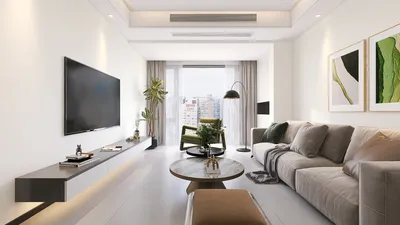


In the last ten years, I've observed a surge in the popularity of dark teal as a contemporary classic for living rooms. This rich and adaptable hue challenges common misconceptions, proving effective even in compact areas. Small rooms often inspire the most innovative designs, and in this piece, I’m excited to present 10 thoughtfully selected dark teal living room concepts that integrate my personal design experiences along with professional insights, all while leveraging platforms like Homestyler for visualization.
1. Dark Teal and Brass Accents
My Perspective: Working on a small urban apartment project, I found that the homeowner adored Art Deco elements. By combining dark teal walls with sleek brass floor lamps, the ambiance was instantly elevated.
Advantages: Brass infuses warmth and reflects light, balancing the depth of the teal. This combination exudes a timeless yet modern vibe.
Drawback: The requirement for brass maintenance, such as regular polishing, may deter some individuals who prefer less upkeep.
Suggestion: Opt for matte brass finishes to minimize maintenance efforts.
2. Layering Textures in Teal
My Experience: At my home, I layered teal velvet cushions atop a wool sofa and complemented it with a silk throw. This combination made the dark teal feel richer and more inviting.
Benefits: Layering textures adds visual depth while preventing dark hues from appearing dull, which is particularly effective in cozy, texture-rich environments.
Limitations: An excessive variety of textures can create a cluttered appearance; the key lies in careful editing.
Example: Start with three primary textures—such as velvet, wool, and wood—to ensure a balanced look.
3. Dark Teal and Warm Wood
My Insight: A small cabin redesign taught me that dark teal walls paired with oak flooring produces an inviting, heritage-inspired atmosphere.
Pros: The warmth of wood offsets the coolness of teal, fostering a harmonious environment. Color psychology studies affirm that this balance promotes comfort.
Cons: Insufficient lighting can render the combination overly dark; a careful lighting strategy is required.
Tip: Use a mix of floor lamps and warm LED strips to enhance the room’s brightness.
4. Bold Teal Sofa Statement
My Experience: For a client hesitant about fully committing to teal, I recommended one striking teal sofa. It swiftly became the centerpiece of the room.
Advantages: This approach allows for easier modifications compared to wall painting, while instantly anchoring the color scheme.
Drawback: Teal upholstery may fade when exposed to direct sunlight; incorporating window treatments is advisable.
5. Dark Teal Accent Wall
My Insight: In a modern loft, I designed a single dark teal wall behind the television, which grounded the open space without overwhelming it.
Pros: A cost-effective paint project in comparison to covering an entire room; easily adaptable to changing styles.
Cons: Partitioning walls visually can make a very compact room appear chaotic.
6. Greenery Against Teal
My Experience: In a client’s urban apartment, dark teal walls harmonized beautifully with various potted plants, such as ferns and monstera.
Benefits: The lush green leaves contrast strikingly with teal, creating a natural, biophilic ambiance.
Cons: Real plants necessitate maintenance, but faux versions can serve if time is a constraint.
Example: Try pairing tall palms with smaller succulents for an interesting layered look.
7. Teal with Monochrome Art
My Take: For a photography enthusiast, I hung black-and-white frames against teal walls, imparting a gallery-like feel.
Pros: Monochrome artworks soften the boldness of teal and maintain a timeless charm.
Cons: Canvases without frames might blend into the teal if contrast borders aren’t included.
Tip: White mats can help define each artwork distinctly.
8. Jewel Tone Layering With Teal
My Experience: An eclectic townhouse flourished when we incorporated jewel tones like deep mustard, ruby red, and sapphire blue alongside teal.
Benefits: This creates a luxurious, maximalist aesthetic, a trend supported by Elle Decor reports.
Drawback: It requires careful coordination to prevent color clashes.
Suggestion: Use digital design tools like Homestyler to experiment with layering jewel tones against your existing color palette before finalizing decisions.
9. Minimalist Teal Touches
My Experience: For a Scandinavian-themed loft, I focused solely on teal cushions, a throw, and one abstract artwork—proving that less can indeed be more.
Advantages: Ideal for temporary living spaces or for those testing color; cost-effective.
Cons: Might feel lacking if you prefer bold décor.
10. Dark Teal with Glass and Mirrors
My Insight: In a narrow living room, using mirrored panels and glass coffee tables helped reflect light, enhancing the teal walls.
Benefits: Visually enlarges the space and boosts illumination; experts affirm that mirrors can make an area feel twice as large.
Cons: Maintaining cleanliness for a pristine look is essential.
In small or long areas, strategic placement of mirrors and glass can transform spatial perception without needing structural changes.
Conclusion
Dark teal demonstrates that bold colors can be stunning in small living rooms—it’s about making intelligent design choices rather than focusing solely on dimensions. By selecting the right combinations and textures, this shade can elevate your space from ordinary to remarkable. Which of these dark teal living room ideas are you eager to try out?
FAQ
1. Is dark teal too dark for a compact living room?
Not at all—when balanced with lighter elements and good illumination, dark teal can foster a cozy environment.
2. Which colors complement dark teal best?
Brass, warm wood tones, monochrome palettes, and jewel shades pair wonderfully.
3. How can I prevent dark teal from making my space feel smaller?
Employ mirrors, glass furnishings, and thoughtful lighting, as advised by leading design sources.
4. Is mixing dark teal with patterns permissible?
Definitely—begin with neutral patterns and gradually incorporate bolder designs as you gain confidence.
5. Is dark teal a trend or a classic choice?
Currently in vogue, it possesses timeless qualities due to its rich depth and adaptability.
6. What paint finish is ideal for teal in living rooms?
Eggshell or satin finishes provide a subtle glow without excessive gloss.
7. Does dark teal align with minimalism?
Absolutely, particularly when utilized as key accents to anchor a neutral décor scheme.
8. Where can I experiment with teal color combinations online?
Using 3D design software like Homestyler, you can visualize how teal interacts with various other colors before making a commitment.
Homestyler is your go-to online platform for home design! With its easy-to-use design tool, stunning 3D renderings, and a wealth of design projects and video tutorials, you can effortlessly create and visualize your dream space. Start designing today and make your vision a reality!
지금 무료로 디자인하세요
































