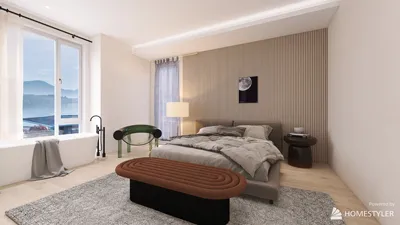


There was a time when I nearly advised a client to use neon orange curtains for their bedroom, claiming they wanted it to "feel like a sunrise." Thankfully, I reconsidered — this close call highlighted how essential color, lighting, and fabric scale are in small bedrooms. Limited spaces compel you to make bold yet intelligent choices; selecting the perfect curtain color can enhance the room, bring tranquility, or introduce drama, all without the need for extensive renovations. In this article, I’ll share five curtain color inspirations I've successfully implemented in various projects, along with their advantages, possible drawbacks, and handy tips I’ve gathered over a decade of transforming bedrooms for real families.
1. Soft Neutrals: Warm Beige or Greige
For a serene and adaptable backdrop, warm beige or greige is my go-to choice. These hues gently reflect natural light, creating an airy atmosphere in small bedrooms. Their compatibility with wooden finishes and textured fabrics is a significant advantage; however, they can appear dull if overly used. To avoid a monotonous look, I often incorporate a textured throw or a patterned rug. For budget-conscious clients, a mid-weight linen blend provides an elegant texture without the price tag of silk.
2. Cool Grays and Dusty Blues
When aiming for a calming, spa-like ambiance, cool grays and dusty blues are incredibly effective. I once used dusty blue drapes in a client’s urban studio, instantly lending it a sophisticated and relaxing atmosphere. These colors mitigate harsh sunlight and pair exquisitely with brass or matte black fixtures. The only drawback is selecting the proper undertone; if it leans too purple or too green, it disrupts harmony, so I advise testing swatches by your window at various times of day.
3. Deep Jewel Tones: Emerald or Teal
If you're aiming for drama without bulky furniture, consider emerald or deep teal drapes. I remember suggesting emerald curtains for a compact Victorian bedroom — they really emphasized the high ceilings and made the antique bed feel thoughtfully placed. These rich colors conceal stains effectively and establish a snug cocooning effect at night, although they can make a small space feel darker; pairing them with light-colored walls or sheer fabrics is advisable to allow daylight to filter in.
4. Soft Pastels: Blush or Sage
Soft pastels, such as blush or sage, strike a balance between subtlety and personality. In a shared children's room, I utilized blush curtains to warm the atmosphere without being overly feminine. Pastels appear fresh and contemporary and pair wonderfully with natural wood and white trim. However, they may not be the most durable option, as lighter colors can fade more quickly in direct sunlight, so I recommend employing UV-resistant fabrics for windows that receive strong sun exposure.
5. Bold Patterns and Contrast: Navy Stripes or Graphic Prints
When a room needs a visual focal point, patterned curtains can serve that purpose effectively. Navy stripes or muted geometric designs can visually elongate windows and add rhythm to a minimalist environment. I implemented navy-striped panels in a narrow guest room, which created the illusion of width — a result my clients truly appreciated. Keep in mind that patterns necessitate confidence: ensure the scale aligns with room size (opt for smaller prints in smaller spaces), and coordinate them thoughtfully with bedding or pillows to avoid overwhelming the visual appeal.
A useful tip: always hang curtains higher than the window frame and let them extend beyond the sides to create the impression of larger windows. If you're looking to experiment before making a final choice, clip-on panels or temporary rods work wonderfully for testing colors and lengths without any drilling.
Tips 1:
For digital planning and visualizing how different curtain colors will appear in your actual room, utilizing tools for creating floor plans and 3D designs can be a significant time-saver. For quick mockups, I often employ an online room planner that overlays curtain colors on actual photos — this approach saves considerable time before ordering samples. A resource I've found particularly helpful in several projects is the Homestyler platform, which enables clients to visualize scale and color composition early in the design phase.
FAQ
Q: What color curtains can make a small bedroom appear larger? A: Light neutrals, soft grays, or pale pastels effectively reflect light, visually expanding the space. Ensure they are hung high and wide for added impact.
Q: Should my curtains match the bedding? A: Not necessarily. It's more effective to coordinate tones rather than match exactly; contrast adds layers of depth and prevents a flat appearance.
Q: Which fabric is best for bedroom curtains? A: Medium-weight cotton and linen blends strike a good balance between drape and light control; consider using blackout linings for better sleep quality.
Q: How do I choose between solid and patterned curtains? A: Solids work well to calm a busy room, whereas patterns can enliven a plain space; scales are vital — smaller rooms benefit from simpler patterns.
Q: Can dark curtains create a cozy feeling? A: Absolutely, deep jewel tones or dark neutrals can create a feeling of coziness, particularly in spaces with large windows or high ceilings.
Q: How can I prevent sun fading? A: Opt for UV-resistant fabrics, and consider lined curtains or solar shades — rotating panels periodically also helps even out sun exposure.
Q: Are custom curtains worth the investment? A: Custom options offer a precise fit and unique fabrics, making them a worthwhile investment for oddly shaped windows or historic homes; off-the-shelf options work well for standard sizes.
Q: Where can I find reliable design tools to test curtain colors? A: For precise mockups and floor planning, I recommend using professional 3D tools; for instance, the Homestyler platform offers realistic visuals that have assisted me in presenting curtain options to my clients.
Discover the magic of home design with Homestyler! This intuitive online platform offers an easy-to-use design tool, stunning 3D renderings, a plethora of design projects, and helpful DIY video tutorials. Transform your space and unleash your creativity effortlessly!
Design Now for FREE
































