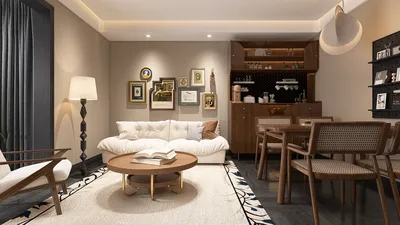


I am keenly attuned to the latest trends in interior design, particularly the popular Studio McGee style, which showcases layered neutrals, intelligent storage solutions, and an air of casual elegance. Small spaces can ignite immense creativity; I've observed that a compact area can become a design asset when you focus on scale, texture, and multifunctionality. If you're in need of inspiration for a Studio McGee-style small living room, I'm here to share five practical ideas based on my experience with various projects, along with valuable tips and cost estimates to bring them to life. When planning layouts, consider utilizing a Minimalist approach to living room storage design to ensure that your furnishings and built-ins feel thoughtfully placed rather than merely added on.
Layered Neutral Color Schemes and Textural Variety
My Insight
My favorite way to approach a small living room is to begin with a soft, layered neutral palette. Envision warm whites, gentle beiges, and muted grays, complemented by tactile textiles. Early in my journey, I transformed a 300 square foot studio by layering materials such as linen curtains, a boucle chair, and a jute rug, allowing the space to exude calmness and a sense of spaciousness without overwhelming it with color.
Advantages
Using layered neutrals provides a unified backdrop that enhances the sense of space in a Studio McGee-style small living room. This simplicity allows for a few standout pieces to shine brilliantly. By incorporating a variety of textures—such as a wool throw, a rattan basket, and a matte ceramic lamp—you follow current small living room decor trends, creating an inviting ambiance rather than a sterile one. According to a color study by the American Society of Interior Designers, cohesive color palettes can enhance the perception of room size and overall comfort (Source: ASID).
Disadvantages
One drawback of the neutral approach is that it can easily turn monotonous if solely reliant on color. It’s essential to incorporate texture and contrast to prevent blandness. I’ve learned from experience that neutrals require thoughtfulness—achieving quality in neutral pieces is crucial, so it's worth investing in one high-quality furniture item or an artisanal decorative accessory.
Suggestion
Begin with a fresh coat of paint and a textured area rug; both elements yield a high impact while remaining moderate in cost. If staying on budget is your goal, select a neutral paint color and invest in a stunning mid-century side table or a beautifully upholstered sofa to anchor your design.
save pin
Smartly Scaled Seating: Sleek Sofas and Modular Components
My Insight
I often advocate for seating that is both scaled down and visually light—featuring narrow arms, exposed legs, and modular options that can be rearranged. In a recent project, I replaced a bulky three-seater with a compact two-seater and an ottoman. This not only improved circulation but also provided more flexibility for guests.
Advantages
Selecting appropriately sized furniture is one of the quickest ways to enhance the layout of a small living room. Ideas like slim sofas and modular ottomans help to maintain flow while ensuring comfort. Lightweight designs visually amplify negative space, which supports the aesthetic of a Studio McGee-style small living room without compromising functionality.
Disadvantages
However, smaller doesn’t always translate to more comfortable—it's important to choose a sofa with adequate depth and sturdy suspension. I’ve witnessed clients opting for diminutive sofas that look appealing but lack comfort, resulting in a needed replacement down the line.
Suggestion
Opt for a modular sectional with components that can be detached or a compact sofa accompanied by an ottoman that is easily movable. Always measure doorways and pathways beforehand to avoid pitfalls; investing in a sofa with kiln-dried frames ensures durability.
save pin
Built-In Storage Solutions and Floating Shelves
My Insight
Incorporating built-ins and floating shelves is essential in my work with small living rooms. On one occasion, I designed shallow built-in cabinets under a window seat, creating hidden storage for linens and electronics while also establishing a cozy reading nook—an innovation that significantly improved daily functionality in a studio.
Advantages
Custom shallow built-ins optimize previously unused spaces, producing clean surfaces that are vital to most Studio McGee small living room concepts. Floating shelves prevent visual mass on the floor and allow curated decor without obstructing sightlines. This supports organizational strategies in small living rooms that create an airy feel.
Disadvantages
While built-ins can require a higher initial investment and more planning than freestanding furniture, their long-term storage benefits and increase in resale value often make them worthwhile. For renters, modular or freestanding options can replicate the built-in effect without any permanent alterations.
Suggestion / Case Study
For tighter budgets, consider pairing a shallow media console with wall-mounted floating shelves. Homeowners might find it beneficial to design a custom under-window bench with drawers; solving storage needs at the periphery contributes to an increased perception of space.
save pin
Light-Reflecting Features: Mirrors, Glass, and Light Metal
My Insight
In compact living spaces, I've frequently turned to mirrors and glass to amplify light and achieve a sense of depth. On one project, positioning a tall leaning mirror opposite a north-facing window completely transformed a dim studio into a bright, airy environment—the immediate effect was striking.
Advantages
Placing mirrors and glass strategically can increase daylight and help a Studio McGee small living room appear larger. This aligns perfectly with small living room lighting techniques that focus on reflection and warm ambient lighting. Light metal finishes like brushed brass contribute subtle opulence without overshadowing other elements.
Disadvantages
However, an excess of reflective surfaces can spread a cold atmosphere if not complemented with warmer textures. I suggest balancing mirrors with wooden features or woven materials to maintain coziness; otherwise, the space may risk feeling too much like a showroom.
Suggestion
Instead of using multiple small shiny items, consider a single large mirror or a carefully arranged cluster. A glass-topped coffee table maintains clear sightlines while remaining functional, and metal lamp bases create an elevated feel without being overly flashy.
save pin
Adaptable Layouts and Multi-Functional Furniture
My Insight
Flexibility is crucial in small living rooms. I frequently specify nesting tables, storage ottomans, or a console that serves as a desk. For one tight project, a slim console placed behind a sofa functioned as a workspace during the day and became a buffet at night—this approach maximized space and minimized clutter.
Advantages
Furniture that serves multiple purposes embodies the ethos of a Studio McGee small living room: it promotes calmness, curation, and functionality. Items like storage ottomans and nesting tables facilitate multitasking, allowing the area to adapt seamlessly for work, relaxation, and entertainment without excessive space requirements.
Disadvantages
However, multi-functional pieces risk feeling like compromises if not selected thoughtfully; for instance, a desk that's too narrow might not accommodate prolonged work sessions. It's vital to find the balance between appearance and usability to avoid disappointing trade-offs.
Suggestion
Focus on acquiring one or two standout flexible pieces rather than numerous mediocre multifunctional items. Investing in a comfortable armchair with a pocket for storage or a practical ottoman with removable trays offers both style and utility in one.
save pin
Budgeting and Execution
My Insight
When I embark on a small living room renovation in the spirit of Studio McGee, I prioritize funding for three essential elements: a solid seating piece, layered textiles, and clever storage solutions. This combination delivers immediate comfort, character, and practicality.
Advantages
Prioritizing these key items guarantees a finished look without overspending; the Studio McGee small living room aesthetic is forgiving if you make strategic investments. Refreshing a small living room can sometimes be accomplished affordably by blending high-quality pieces with thrifted finds, like art, a quality sofa, and reasonably priced pillows.
Disadvantages
Depending on your location, investing in a quality sofa or custom built-ins could dominate your budget. I always advise clients to set aside an additional 10-20% for unforeseen expenses, as small spaces often reveal hidden challenges during implementation.
Suggestion
Consider phased updates: start with paint and layout, then invest in the sofa, and lastly add decor and textiles. This step-by-step approach can help distribute costs and allow you to experience your choices before committing to any custom work.
save pin
Conclusion
Both small kitchens and living rooms illustrate how limitations encourage better decision-making. This principle holds true for a Studio McGee style small living room—it's not so much a constraint, but rather an opportunity to be intentional. Select a layered neutral palette, smartly sized seating, built-in storage, reflective features, and multifunctional furniture to make every inch count. If you're interested in visualizing layouts or exploring designs, consider using tools like digital planners, such as Homestyler, to experiment with various configurations and maximize your space effectively. Which design inspiration are you eager to try first?
save pin
Frequently Asked Questions
Q1: What's the simplest way to achieve a Studio McGee look in a small living room?
A1: Begin with neutral paint, a textured rug, and a high-quality seating piece. Layer in textiles and choose a few curated accessories to capture the relaxed, collected vibe typical of Studio McGee without requiring a complete overhaul.
Q2: How can I create a more spacious feeling in a small living room?
A2: Utilize light, cohesive colors, reflective materials such as well-placed mirrors, and furniture with visible legs to enhance visual space. Built-in or low-profile storage keeps floors clear and enhances the perception of room size.
Q3: Are custom built-ins a worthwhile investment for a small living room?
A3: Generally, yes—custom shallow built-ins cater to awkward gaps and offer tailored storage solutions, providing better long-term value than numerous standalone pieces. If custom isn't within reach, look for modular alternatives that replicate the aesthetic.
Q4: How can I balance warmth in a neutral palette?
A4: Introduce wooden elements, woven textures, and warm metals to counteract the cooler tones of neutrals. A wooden coffee table or basket can add necessary tactile contrast and warmth to the environment.
Q5: What scale of furniture works best in a Studio McGee small living room?
A5: Choose compact sofas with narrow arms and exposed legs, paired with slim-profile side tables and adaptable seating options like ottomans. Be sure to measure circulation paths, ensuring at least 30 to 36 inches of space for walking when possible.
Q6: Can I mix modern and vintage items while retaining the Studio McGee aesthetic?
A6: Definitely! The Studio McGee style thrives on layered, collected pieces. A vintage chair can be beautifully paired with a streamlined modern sofa, adding complexity and character without disrupting the cohesive neutral scheme.
Q7: How much should I budget for refreshing a small living room?
A7: Budget can significantly vary by location, but a moderate refresh (including paint, a rug, a sofa, and lighting) can often be completed for a few thousand dollars. For custom built-ins or high-end furnishings, costs will rise; plan for an extra 10-20% to handle unexpected expenses.
Q8: Where can I find research-driven design advice for small areas?
A8: Reliable resources such as Architectural Digest and ASID provide research-backed insights on color, scale, and lighting strategies. For testing layouts, use digital room planners and case studies to experiment before making purchases (Source: Architectural Digest).
save pin
Looking to transform your home? Homestyler is your go-to online design platform! With its user-friendly design tool, stunning 3D renderings, and a wealth of DIY video tutorials, you can effortlessly create and visualize your dream spaces. Start designing today!
Design Now for FREE
































