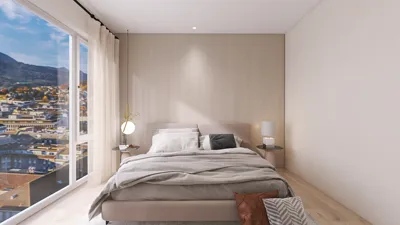


In recent times, the trend of step-down living rooms has seen a resurgence, particularly within modern and transitional design styles. As a designer with over ten years of practical experience, I've discovered that even slight differences in floor height can dramatically affect a home's ambiance. This is especially true in compact areas where innovative approaches are essential — split levels and sunken living rooms excel here. Today, I am excited to present ten design inspirations, combining my insights with expert opinions, to help you uncover the allure of step-down spaces and how Homestyler can enhance these spaces.
1. Minimalist Step Down Layout
My Experience: I once collaborated with a pair looking to create a serene and uncluttered living area. Introducing a simple step down gracefully defined the space while keeping it open. The outcome was a peaceful yet connected environment throughout their home.
Advantages: This layout improves visual division while preserving an open feel, which is ideal for contemporary small living room designs. Architect Magazine notes that such visual breaks make rooms appear more spacious.
Drawbacks: Minimalist designs can feel uninviting without careful consideration of color and texture; in reality, we often need more storage than expected.
Suggestion: Incorporate concealed storage within the built-in step to maintain a tidy appearance.
2. Cozy Conversation Pit
My Experience: In my apartment, I lowered a central seating area by six inches, making it the most inviting gathering spot for friends. Everyone found themselves naturally drawn to it.
Advantages: This design fosters an atmosphere of intimacy and focus, especially effective with sectional sofas.
Drawbacks: It may not be suitable for homes with accessibility issues and can complicate furniture rearrangements.
Suggestion: Layer rugs over the lowered area for added warmth and texture.
3. Step Down with Panoramic Windows
My Experience: On a project overlooking a forest, the step-down design allowed furniture to sit lower, significantly improving the view.
Advantages: This layout enhances connections to the outdoors and creates an impression of higher ceilings.
Drawbacks: Glare and heat gain could be concerns without effective window coverings.
Minimalist kitchen storage concepts inspired a similar design approach here — clean sightlines and functional areas contribute to the charm.
4. Rustic Timber Step Down
My Experience: In a mountain cabin project, utilizing reclaimed wood for the step created a warm and natural transition.
Advantages: It introduces an organic texture that beautifully complements stone fireplaces and earthy color schemes.
Drawbacks: Wood demands regular upkeep and can become scratched with heavy foot traffic.
Suggestion: Opt for a darker finish to conceal wear and tear more effectively.
5. Open-Plan Step Down with L-Shaped Seating
My Experience: While designing a city loft, the L-shaped sofa defined by a step down echoed the kitchen island's shape, maintaining design coherence.
Advantages: It clearly defines seating areas without the need for physical barriers, working well in both small and expansive layouts.
Drawbacks: Custom furniture can be pricey, and not every space accommodates this setup.
6. Glass Balustrade Edge
My Experience: To retain an airy feeling in a step down, I sometimes integrate a glass balustrade — it enhances safety without obstructing light.
Advantages: It preserves openness and creates a fresh, modern vibe.
Drawbacks: Glass surfaces are prone to fingerprints, necessitating frequent cleaning.
Similarly, glass backsplashes in kitchens promote openness, reflecting the flow of energy between areas.
7. Mid-Century Sunken Lounge
My Experience: Inspired by mid-century homes, I designed a slightly sunken lounge with low furniture, giving it an unreplicable retro allure.
Advantages: This approach maintains timeless appeal and enhances comfort, providing a cozy lounging environment.
Drawbacks: Balancing mid-century details with contemporary tastes can be challenging.
Suggestion: Incorporate period-appropriate lighting to enhance the overall aesthetic.
8. Multi-Level Flooring with Lighting
My Experience: In one renovation, I added LED strip lights along the edges of a step down, transforming a safety feature into an eye-catching design statement.
Advantages: These improvements enhance safety and add a dramatic flair during the evening.
Drawbacks: Requires electrical work; excessive use can come off as gimmicky.
9. Step Down to a Fireplace Focal Point
My Experience: Lowering the floor in front of a fireplace naturally directs attention to the focal point — a strategy I've employed in both contemporary and cottage-style designs.
Advantages: This arrangement establishes a cozy gathering space and highlights a significant architectural element.
Drawbacks: It might restrict visibility into other parts of the room.
Warm wood accents often perfect this setup, enhancing comfort even further.
10. Sunken Space as a Home Theater
My Experience: Movie nights at my home were elevated when I transformed a step-down area into a theater-like atmosphere with tiered seating.
Advantages: This design allows for better viewing angles and separates the area from household noise.
Drawbacks: Good AV planning is essential; achieving a multifunctional space with flexible furniture can be tricky.
Conclusion
The concept of step-down living rooms demonstrates that even modest changes in elevation can reveal significant design potential. It's about creatively embracing height rather than viewing it as limiting. insights from the American Society of Interior Designers highlight how subtle spatial definitions can enhance aesthetics and functionality. Which of these ten inspirations would you be eager to implement in your own living space with the help of Homestyler?
FAQ
1. What are step-down living room ideas?
These involve lowering the floor level of a living space compared to surrounding areas, creating a split-level design that introduces visual intrigue and effective zoning.
2. Are step-down living rooms outdated?
Not at all. While they gained popularity in mid-century designs, they are regaining traction with modern updates and materials.
3. How can I make a step-down living room appear larger?
Incorporate light colors, low-profile furniture, and reflective surfaces to create an illusion of openness.
4. Are step-down rooms safe for children and the elderly?
Steps can pose tripping hazards, but installing illumination and clear markers enhances safety, as advised by CDC fall prevention guidelines.
5. What flooring types work best for step-down areas?
Choosing durable, non-slip materials like engineered wood or textured tiles is advisable for style and safety.
6. Can I DIY a step-down living room?
It's recommended that major structural changes be carried out by professionals to comply with safety regulations.
7. What is the cost of creating a step-down space?
Costs can vary significantly, from thousands of dollars for minor adjustments to much higher for more extensive structural changes.
8. Are step-down living rooms compatible with open-plan kitchens?
Absolutely! They offer a fantastic way to visually distinguish areas without walls, with L-shaped configurations maximizing counter space.
Homestyler is an exceptional online home design platform that empowers you to bring your vision to life. With its user-friendly design tool, stunning 3D renderings, and a wealth of DIY video tutorials, you’ll find everything you need to create beautiful interiors effortlessly.
立即免费设计
































