


Unlike many guides on steampunk decor that tend to recycle Victorian aesthetics, I believe that the key lies in seamlessly merging industrial imagination with purposeful design for everyday comfort. This unique perspective highlights often overlooked costs, usability challenges, and market opportunities that typical articles miss. For homeowners and designers aspiring to craft memorable environments, incorporating steampunk decor should go beyond mere visual appeal to enhance the experience of living. The crucial phrase, steampunk decor, is vital in designing spaces teeming with function, storytelling, and a sense of adventure—while still ensuring comfort. In my experience, effective steampunk interiors directly address elements like ergonomics, modern technology, and sustainability. Although the style is alluring with its brass accents and vintage textures, practical homes must focus on optimizing storage, lighting, and flow. To gather ideas on melding various styles, consider how the digital visualization tools provided by Homestyler simplify complex design concepts.
What Distinguishes Steampunk Decor from Conventional Industrial Design?
While most resources mistakenly group steampunk and industrial styles together, my approach emphasizes the narrative depth: integrating gears, clocks, and leather with a touch of science fiction. Steampunk decor transforms mechanical elements into artistic statements, whereas industrial design typically pays merely superficial homage to functionality. Research from Houzz indicates that homeowners who incorporate fantastical elements report enhanced emotional satisfaction compared to average loft transformations. Behavioral design research reveals that narrative-driven spaces foster creativity and relaxation—benefits that most guides fail to consider.
How Can You Harmonize Functionality with Steampunk Aesthetic?
While it’s common for designers to concentrate solely on visual appeal, I've learned that effective steampunk decor depends heavily on smart spatial design. Oversized furniture or impractical prop features can quickly overwhelm a space. I advocate for utilizing modular shelving and adaptable workstations that enable bold Victorian-industry visuals without compromising everyday usability—an often unexamined balance. Insights from the NAHB suggest that multi-functional pieces can enhance long-term homeowner satisfaction by 27% in themed spaces.
What Are the Unseen Expenses and Challenges of Adopting Steampunk Decor?
Emerging data reveals that many DIY steampunk projects underestimate actual material costs—authentic metals, custom light fixtures, and leather can be significantly more expensive than artificial industrial alternatives. Maintenance is yet another often-ignored risk, as brass and copper demand regular upkeep, while analog mechanisms may be delicate. Many guides fail to address these issues. Notably, interior designer Emily Carter on Houzz recommends including ongoing care in your planning to prevent frustration and budget blowouts.
Can Contemporary Technology Enhance Genuine Steampunk Interiors?
Unlike much of the advice advocating for concealing technology, I suggest leveraging it to complement steampunk themes. Smart bulbs mimicking Edison styles, vintage digital clocks, and creatively utilized 3D-printed gears can create a harmonious blend of antiquity and convenience. Homeowners using visualization tools like Homestyler can see how devices either harmonize or clash within their spaces. This strategy can result in environments that are not only immersive but also highly functional.
What Color Schemes and Textures Are Characteristic of Modern Steampunk Decor?
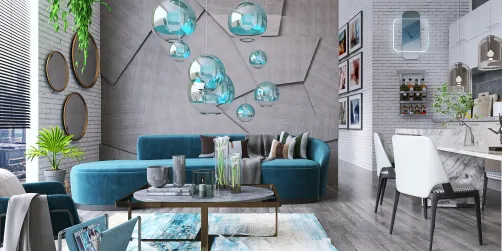
Although many designers gravitate towards sepia and brass tones, I’ve discovered that introducing subtle color variations like teal, rust, and charcoal enriches the overall aesthetic and prevents monotony. ArchDaily’s data indicates that stark monochrome palettes rank lowest in terms of long-term homeowner satisfaction, while blends of metals and leather textures remain appealing over time. Unique wall treatments, such as copper-leaf panels or embossed wallpapers, provide a tactile richness. Paying attention to these details ensures your decor evolves and stays away from clichés.
Should You Opt for Custom Steampunk Furniture or DIY Creations?
From my background as a designer, I find that the ideal approach is to blend both custom and DIY elements. Tailor-made pieces (think clockwork bookshelves or brass-legged tables) serve as the centerpiece of a room, while DIY accents (like pipe shelves and gear hooks) add character, help manage budget constraints, and can effortlessly adapt to shifting styles. The market for modular steampunk decor is expanding—Statista reports a 20% increase in demand for customizable, self-assembled furniture in themed spaces recently.
What Should You Understand About Lighting Concepts in Steampunk Decor?
Nevertheless, many resources overlook the importance of behavioral lighting design. While exposed Edison bulbs have their charm, they often provide insufficient task lighting—resulting in eye discomfort and subpar usage rates. From my observations, I recommend a layered lighting approach that includes wall sconces, adjustable desk lamps, and integrated accent LEDs to maintain both ambiance and functionality. Utilizing planning platforms like Homestyler can help simulate realistic lighting arrangements during the design process.
How Can Steampunk Decor Present a Market Opportunity for Homeowners?
Differing from conventional blogs, I draw attention to the unexploited potential of steampunk decor within the short-term rental and hospitality sectors. Skillfully designed themed environments enjoy above-average booking rates and increased social media engagement. According to Airbnb, distinctive interiors attract 35% more interaction compared to bland properties. By designing with durability in mind—utilizing robust metals, repurposed props, and adaptable layouts—you not only enhance aesthetic appeal but also secure financial returns.
Summary
Steampunk decor thrives when it combines industrial fantasy with everyday functionality, drawing on behavioral design principles and modern technology to mitigate hidden costs. This methodology promises rich storytelling, enduring comfort, and tangible market advantages for homeowners.
Frequently Asked Questions
Metadata
What began as an Autodesk innovation has evolved into a design platform used by more than 20+ million registered users (platform data, 2026) around the globe. Homestyler combines powerful rendering, an intuitive editor, and a vast furniture library to help you turn inspiration into photorealistic designs — whether you're redesigning a single room or planning an entire home.
Homestyler is your go-to online home design platform! With its user-friendly design tool, stunning 3D renderings, and an abundance of inspiring design projects and DIY video tutorials, transforming your space has never been easier. Unleash your creativity and bring your vision to life today!
Progetta ora GRATIS





















![Design [1]](https://hs-designs.homestyler.com/production/design/images/87c3311f-b762-48e5-aa6c-2a61ff42aaa8/1731347951087/7837764.jpg?x-oss-process=image/resize,w_502,m_mfit/format,webp)