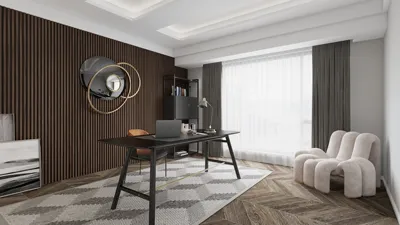


Once, a manager tasked me with creating a spring bulletin board that could withstand three formidable challenges: high humidity, the insatiable curiosity of interns, and the CEO’s minimalist preferences. I chuckled but then crafted a multi-layered board that not only served as a seasonal information hub but also worked as a photo backdrop. If you're considering a redesign of your entire team space, look into some office layout examples I drew inspiration from. To enhance your design experience, tools like Homestyler offer fantastic visualization options.
1. Botanical Spring Garden Board
I enjoy bringing elements of nature indoors — using faux plants, pressed flowers, and watercolor leaves makes the board feel vibrant without needing daily upkeep. The benefits are clear: it livens up the room and provides a calming aesthetic. The only challenge is ensuring the color palette remains cohesive to avoid a cluttered look reminiscent of a craft fair.
Tip: Utilize a neutral cork base, arrange elements in groups of three, and incorporate a single seasonal quote on a removable card for effortless updates.
save pin
2. Pastel Mood & Resource Board
Pastel colors do more than please the eye; they help categorize information visually. I once implemented pastel strips to distinguish between announcements, lunch menus, and safety notices in a compact break area — making it clear where to find information. However, lighter shades can highlight marks easily, so selecting slightly more saturated pastels and a washable surface is advisable.
Budget note: Opt for cardstock and magnetic strips for cost-effective, swappable elements.
save pin
3. Interactive Idea Wall with Pockets
One of my favorites for boosting team engagement is creating pockets for suggestions, seed packets, or tiny challenge cards. I constructed one using recycled envelopes and transparent sleeves, ensuring feedback remains visible yet organized. This approach encourages participation, but keep in mind it requires regular tidying and responses—or else it risks becoming an oversight.
If you want to picture how this board will fit within your workspace before construction, consider using an interactive 3D mockup, which can help you optimize placement, lighting, and sightlines.
save pin
4. Rotating Gallery + Employee Spotlight
Change out artwork or mini-exhibits every few weeks — featuring local artists, hobby photos, or project achievements. I once organized a 'Bring Your Hobby' month, and the board became a focal point for conversations. While this cultivates greater team connectivity, coordination is essential: appoint a rotating curator to keep the exhibits fresh.
Practical tip: Add a small pocket for submission forms and a QR code linking to digital galleries for easier access.
save pin
5. Functional Combo: Calendar, Announcements, & Mini Library
Combine a compact magnetic calendar, a pinned announcements strip, and a mini pocket to hold business cards or sticky notes. I implemented this design in a small reception area, maximizing wall space while ensuring information remains accessible. This layout is functionally excellent, but ensure you standardize fonts and icon sizes for quick readability.
For smarter layout ideas that blend function with visual appeal, consider using AI-driven design tools like Homestyler, which have helped me optimize sightlines and spacing in office corners.
save pin
FAQ
Q1: What materials work best for a spring office bulletin board?
I suggest cork or felt for easy pinning, reinforced with a painted plywood frame for durability. Use weather-resistant laminates if the board is placed near windows.
Q2: How frequently should I update a seasonal board?
Change out major themes approximately every 4 to 6 weeks, and swap smaller items (like quotes or employee pictures) weekly to keep it dynamic without overburdening the team.
Q3: Any tips for economical boards?
Repurpose frames and utilize colored paper or fabric swatches; magnets can replace pricey hardware. Check thrift stores for affordable frames and decor.
Q4: How can I encourage staff contributions?
Simplify participation by providing pre-made prompt cards, establishing a clear submission slot, and offering public recognition on the board for contributors.
Q5: Are there safety or compliance considerations for office bulletin boards?
Yes, legal workplace posters must be easily accessible and not obscured by decorations. The OSHA website outlines relevant posting requirements for U.S. workplaces (https://www.osha.gov/). Always verify local regulations.
Q6: Is it possible to make the board multifunctional?
Definitely — you can combine showcasing, storage (like pockets), and technology (such as a QR code linking to digital files). Just ensure clear zones are established to distinguish announcements from inspirational content.
Q7: How do I maintain the board's tidiness?
Assign a dedicated individual or a rotating curator to oversee the board, and implement a quick monthly clean-up routine that includes removing outdated items, straightening sections, and restocking supplies.
Q8: What size should an office bulletin board be?
The size should correspond to the viewing distance: a small reception space can manage with 24x36 inches, while a central team hub benefits from 36x48 inches or larger. Consider sightlines carefully to ensure the text is readable from common standing positions.
save pin
Discover the magic of home design with Homestyler! This user-friendly platform offers an intuitive online design tool, stunning 3D renderings, and a wealth of inspiring design projects. Plus, with DIY video tutorials, you can effortlessly bring your vision to life. Start creating your dream space today!
立即免费设计
































