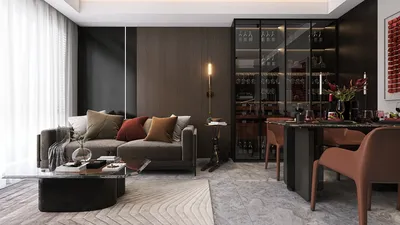


In a previous project, a client envisioned a kitchen resembling a performance stage — featuring varied levels, moods, and space for their cherished vintage record player. This experience inspired me to almost design a runway. Through this creative chaos, I discovered that split-level kitchens can be both fun and functional. Additionally, you can visualize the split-level design concept before making any commitments, thanks to tools like Homestyler.
1. Establish a cooking area below and dining space above
I recommend lowering the cooking zone by a step while placing the dining area on a slightly elevated level. This arrangement effectively defines distinct zones without the need for walls, maintaining open sightlines. The benefits include enhanced social interaction; however, it’s important to ensure safe lighting for the steps and a seamless transition between different flooring surfaces.
save pin
2. Utilize a raised breakfast bar as a visual centerpiece
A raised bar positioned on a small mezzanine or platform provides counter seating along with additional storage beneath. This approach is ideal for compact spaces, maximizing usable surfaces while creating a cozy spot. When incorporating sinks or dishwashers near the elevation change, be mindful of headroom and plumbing instances.
save pin
3. Incorporate contrasting materials to highlight levels
I often suggest using contrasting flooring — warm wood for the dining level contrasted with durable tiles for the preparation area — to enhance the visual perception of the different heights. Beyond aesthetics, selecting the right materials addresses wear-and-tear concerns: tiles are appropriate near the cooktop, while wood is suitable for areas where people gather. To gain a clearer understanding of how textures and heights interconnect, creating a detailed 3D walkthrough with Homestyler can provide realistic visualizations.
save pin
4. Integrate storage within the riser
One clever strategy is transforming the riser or short wall into shallow drawers for items like spices, trays, or cutting boards. This quirky approach is not only functional but feels like a made-to-order hidden organizer. While it requires a custom build for ideal depth, the storage benefits are substantial. In terms of budget, it’s a moderate investment, yet significantly boosts the kitchen's organization.
save pin
5. Utilize lighting to enhance visual storytelling
Implementing layered lighting, such as toe kicks, step lights, and pendant groupings, can dramatically highlight each level while improving safety. If you want to experiment with different aesthetics quickly, consider using digital styling tools like Homestyler to explore various color and fixture combinations efficiently, minimizing waste. However, be mindful that adding extra circuits for lighting may slightly increase electrical expenses, so planning ahead is advisable.
save pin
FAQ
Q1: What defines a split-level kitchen?
A: A split-level kitchen is characterized by intentional changes in floor height — featuring a few steps or a platform — to create distinct areas like cooking, dining, or relaxing, all while maintaining openness.
Q2: Are split-level kitchens beneficial for smaller homes?
A: Definitely — they enhance the perception of space and functionality by introducing micro-zones, but careful planning for circulation and storage is crucial to avoid cramped conditions.
Q3: How should I approach flooring transitions?
A: Employ transition strips, contrast materials, or design a flush step with a gentle edge. Ensure you select slip-resistant finishes and illuminated steps to prioritize safety.
Q4: Do split levels influence appliance arrangement?
A: Yes, they can impact layout. Position heavy or plumbed appliances on a stable level for ease of hookups, and ensure clear workflow triangles across different levels to prevent awkward traffic patterns.
Q5: Is constructing a split-level kitchen costly?
A: Costs can fluctuate — basic platform steps and cabinet risers are budget-friendly, but any structural modifications, plumbing changes, or additional electrical work could escalate expenses. Always suggest early budgeting.
Q6: What safety aspects should I consider?
A: Consider implementing visible step lighting, non-slip flooring, and handrails for areas with more than two steps. Check local building codes for any railing requirements before commencing construction.
Q7: Where can I find professional layout guidelines?
A: For dependable kitchen design standards and clearances, consult the National Kitchen & Bath Association (NKBA) website at https://www.nkba.org for recommended workspace dimensions and safety guidelines.
Q8: Can I test out designs prior to renovation?
A: Definitely — using mockups, simple cardboard layouts, or digital design tools helps assess scale and flow before finalizing your decisions. I often employ quick visual studies to avoid unexpected issues later on.
save pin
Homestyler is your go-to online home design platform! With its user-friendly design tool, stunning 3D renderings, and a wealth of inspiring design projects and video tutorials, you can effortlessly create and visualize your dream spaces, no matter your experience level. Dive in and transform your home today!
立即免费设计
































