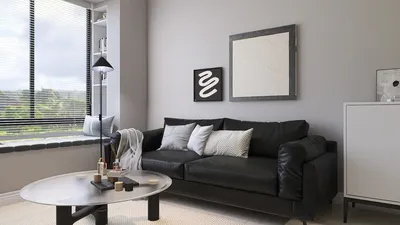


I once had a client who demanded that their sofa fit precisely between two columns — down to the millimeter. I dedicated an entire afternoon to measuring, recalibrating, and ultimately creating a 3D design to demonstrate its feasibility. This minor triumph revealed to me that even the smallest spaces can inspire significant ideas, highlighting that a well-thought-out plan surpasses improvisation every time.
1. Modular seating that adapts seamlessly
I am a big fan of modular sofas due to their ability to provide flexible scaling: remove a chaise for studio apartments, add extra modules for guests, or transform parts into a cozy daybed. The benefits are clear—customizable comfort and effortless reconfiguration; however, some modules may appear too generic, so selecting upholstery with texture or patterns is essential to infuse character.
save pin
2. Multipurpose coffee tables and clever storage solutions
In compact living spaces, furniture that conceals its purpose is invaluable. I frequently recommend lift-top coffee tables or ottomans with hidden storage—ideal for stashing blankets and board games. They not only save space but also simplify cleaning, though it's important to check weight limits and mechanism quality to prevent future inconvenience.
save pin
3. Vertical shelving to elevate the visual focus
When floor space is limited, consider utilizing vertical height: tall, slender shelving or floating shelves draw the eye upward and free up walking space. I once converted a tricky nook into a mini library, which became the centerpiece of the room; however, it's crucial to ensure that heavier items are securely anchored, so budget for a professional installation if you’re uncertain.
save pin
4. Smart-scale lighting and slim side tables
Oversized chandeliers can overwhelm a smaller room, prompting me to prefer layered lighting—combining wall sconces, slender floor lamps, and table lamps—to add depth without adding bulk. Pair these with narrow side tables that can be tucked against armrests; this way, you achieve surface area without cluttering the visual space. However, some narrow tables can compromise tabletop usability, so choose based on your needs.
save pin
5. Foldable and transformable furniture pieces
Fold-down desks, nesting tables, and slim console-to-dining tables are my preferred solutions for living rooms that need to function as an office or dining space. They offer remarkable flexibility and are often budget-friendly, yet ensure you check the quality of hinges and ease of operation—low-cost mechanisms can be a daily hassle. For layout inspiration in compact living spaces, I usually recommend clients explore a ** Homestyler** kitchen workflow case to discover multifunctional planning strategies tailored for living rooms.
Quick budget tip: initiate with a singular transformative item (such as a modular sofa or a foldable table) and build the decor around it. This spreads out costs while also providing the greatest functional benefit.
save pin
FAQ
Q1: What types of furniture work best for very small living rooms?
A1: Opt for modular seating, slim-profile tables, and items that incorporate built-in storage. Focus on multifunctional units and vertical storage to keep the floor area spacious.
Q2: How do I determine the ideal sofa size?
A2: Measure your room and maintain at least 30–45 cm (12–18 in) of circulation space around seating. You can test proportions using tape on the floor prior to making a purchase.
Q3: Are lighter colors more suitable for compact spaces?
A3: Generally speaking, yes—lighter walls and larger upholstery reflect light and create an airy feel. However, a deep accent color or textured fabric can add depth without making the area feel constricted.
Q4: Can rugs help in defining zones within a small living room?
A4: Definitely. A well-sized rug anchors seating and visually delineates spaces; select one that fits under the front legs of key furniture pieces for a cohesive look.
Q5: What is the ideal amount of storage for a small living room?
A5: Aim for versatile storage solutions: a combination of closed cabinets to conceal clutter and open shelves for displays. Start with enough to accommodate everyday items and one seasonal bin for additional overflow.
Q6: Are there any guidelines for arranging furniture in a compact setting?
A6: Maintain open sightlines, ensure windows aren’t blocked, and orient seating toward a focal point. Floating furniture a few inches away from walls can also create a perception of a larger space.
Q7: Where can I find layout templates or examples?
A7: I frequently show my clients curated case studies; for living-room-specific examples, consider exploring a curated living room case study on ** Homestyler** to observe scale and flow in actual designs.
Q8: What is a reliable guideline for kitchen or living adjacency in small homes?
A8: For kitchens, the NKBA (National Kitchen & Bath Association) advises keeping each triangle leg between 4 and 9 feet and a total triangle distance of 12–26 feet (refer to NKBA guidelines at https://nkba.org). Applying similar principles for clearance—adequate walking paths and appliance accessibility—proves helpful when your living room also serves as a kitchenette or dining area.
save pin
Homestyler is your go-to online platform for home design! With its user-friendly design tool, stunning 3D renderings, and a wealth of inspiring design projects and DIY video tutorials, you can effortlessly transform your space into a dream home. Start creating today!
立即免费设计
































