


Over the last ten years, I have crafted numerous compact guest accommodations, ranging from 220 square feet garden suites to 480 square feet accessory dwelling units (ADUs). The most effective designs are grounded in meticulous space planning, layered lighting solutions, and the use of tactile materials that create an ambiance of calmness and intentionality, rather than a cramped feel. This thoughtful approach can be easily enhanced using tools like Homestyler for layout visualizations.
Two key principles underpin my design philosophy. Firstly, the quality of lighting influences the perception of spaciousness more significantly than most people recognize. For optimal living areas, the Illuminating Engineering Society recommends a lighting level of 200 to 300 lux, which provides consistent brightness in smaller spaces without causing glare (as per IES standards). Secondly, efficiency in circulation greatly enhances comfort: research from Gensler highlights that clear, uninterrupted paths improve navigation and alleviate cognitive load—a concept that is highly applicable to guest suites where every inch matters (as outlined by the Gensler Research Institute). In terms of ergonomic comfort for seating and sleep, I adhere to the WELL v2 guidelines that support adjustable bedside lighting and minimize nighttime glare to foster restfulness.
Define Space Requirements with Intention
Before choosing furniture selections, it’s essential to map out the guest experience: starting with the entry drop zone, luggage storage area, sleeping space, and a cozy spot for reading or working on a laptop, as well as unobtrusive bathroom access. It’s advisable to maintain primary circulation zones between 30 to 36 inches in width. Ideally, I strive for a 60-inch turning area near the bed's edge, if the space permits, to facilitate easy movement with luggage. Establish a clear visual trajectory from the door to the window; creating visual depth through exterior views can amplify how spacious the area feels. During the layout exploration phase, utilizing an interior design planner tool like Homestyler helps in testing various bed orientations and seating arrangements quickly, ensuring effective use of space while minimizing expensive onsite modifications.
Creating a Functional Sleep Area
In compact areas of 220 to 300 square feet, opting for a full or queen bed with a slim, upholstered headboard generally yields better results than using bulky bed frames. I suggest allowing for 24 to 28 inches of bedside space for comfort. Wall-mounted nightstands and integrated sconces can free up valuable floor space. Choose sconces featuring 2700 to 3000K warm LEDs with dimming capabilities; while guests require around 300 lux for reading tasks, it’s essential to enable drops to 30 to 50 lux during evening relaxation hours. In cases where room depth is limited, consider implementing a Murphy bed or a platform variant that includes under-bed storage for linens and extra pillows. Keeping headboard heights modest alleviates visual weight, and orienting the bed to face appealing views or artwork directs attention outward, maximizing perceived space.
Maximizing Function With Multi-Use Furniture Solutions
Utilizing a compact settee (60 to 66 inches in length) creates an inviting reading corner while also functioning as a luggage bench. Choosing nesting tables rather than a traditional coffee table provides more flexibility, and a drop-leaf bistro table can shift between serving as a workspace or dining area. I advocate for armless accent chairs to enable more space-efficient seating. For guests on extended stays, incorporating a 24-inch counter with an undercounter fridge and a concealed induction cooktop can enhance their experience. Additionally, select quieter appliances to maintain acoustic comfort, keeping their sound levels to a minimum.
Discreet and Clever Storage Options
Consistent storage solutions should aim for shallow wardrobes (18 to 20 inches) equipped with full-height doors to minimize visual clutter. Implement a dedicated suitcase storage cubby positioned at 22 to 24 inches high, situated beneath a hanging rail. A recessed area near the entry can serve as an organized space for keys, wallets, and a small tray for coins. Consider toe-kick drawers beneath built-in structures, alongside a lift-up bench by the door to enhance functionality. Whenever feasible, integrate slim and continuous handles to decrease visual disarray. In washrooms, utilize recessed medicine cabinets and mirrored storage niches to achieve additional space efficiency. Using continuous baseboards and aligned door trims can foster a sense of order and visual tranquility.
Layered Lighting: Enhancing Mood and Visibility
Compact living areas benefit from a three-tiered lighting approach: ambient, task, and accent lighting. For ambient light, aim for a soft baseline of 200 to 300 lux that disperses evenly using wall washers or ceiling lights placed along the periphery to reflect light. Task lights at beds and vanities should have outputs of 300 to 500 lux; prefer warm lighting (2700 to 3000K) for evening comfort. Accent lighting, such as grazing strips over textured surfaces, can add dimensionality without occupying physical space. Managing glare with diffusers and shielded designs is crucial, and sconces should be mounted at heights of 60 to 66 inches to prevent discomfort while seated. Motion-activated nightlights can also provide safe navigation during nighttime.
Understanding the Psychology of Color and Materials
Cool, muted shades can visually expand spaces, whereas warm neutrals cultivate a welcoming atmosphere. Blues and greens are known to lower heart rates and promote relaxation, according to color psychology studies (Verywell Mind). I recommend combining a restrained color palette with one tactile material—such as ribbed oak, limewash plaster, boucle, or linen. Matte finishes and low-sheen paints help reduce excessive reflections which can make compact rooms appear cluttered. Utilize sustainable practices by opting for low-VOC coatings and FSC-certified timber whenever feasible. A large-format rug serves to define the living zone, and employing continuous plank flooring (without thresholds) enhances the sense of length.
Ensuring Acoustic Comfort Within Small Spaces
Hard surfaces can quickly exacerbate noise levels. Incorporating softer materials in strategic locations, like fabric window treatments, upholstered headboards, full-length curtains, and area rugs with sound-absorbing underlays, is vital. In bathrooms, utilize soft-close mechanisms and seal door edges to limit noise transference. Aim for a quiet HVAC system with low sone ratings, and consider installing acoustic liners within wall returns to help diminish high-frequency sounds. For shared wall scenarios, utilizing resilient channels or acoustic panels behind bed walls can significantly improve sound quality.
Optimizing Daylight, Privacy, and Views
Daylight should be allowed to illuminate the back wall; in cases where window space is limited, mirrors positioned perpendicular to light sources can help reflect illumination deeper into the area without causing glare. Implementing top-down/bottom-up shades allows for privacy without obstructing views of the sky. In outdoor ADUs, integrating a clerestory band along the bathroom side can flood the main living area with light while maintaining privacy. It is beneficial to keep window treatment colors consistent with wall tones to avoid visual fragmentation. When possible, anchor the view with planted accents, such as a fern screen or small trees, visible from the bed.
Designing a Tranquil, Efficient Bathroom Space
A bathroom dimension of 5' x 8' can feel surprisingly expansive when it incorporates a wall-mounted vanity (18 to 20 inches deep), a recessed mirror cabinet, and a curbless shower with a linear drain. The shower glass can be positioned at heights between 78 and 80 inches, while installing both a hand shower and a simple overhead option is recommended for flexibility. Utilize 3000K lighting with outputs of 300 to 500 lux around the mirror, employing vertical fixtures to eliminate shadows. Ensuring slip resistance is crucial; using tiles rated with DCOF of ≥ 0.42 is ideal for wet surfaces. Warm metal accents combined with large natural stone slabs or big-format porcelain help to minimize visual noise and reduce grout lines.
Prioritizing Air Quality, Sustainability, and Low Maintenance
Space-efficient guest suites can greatly benefit from energy-efficient ventilation systems; a quiet energy recovery ventilator (ERV) helps in maintaining humidity levels. Opt for low-VOC finishes and Greenguard Gold certified furniture where viable to enhance indoor air quality. Choosing durable, easy-care materials—like porcelain slabs, quartz countertops, and performance fabrics—minimizes wear and tear while retaining aesthetic appeal. Additionally, implementing demand-controlled exhaust systems in bathrooms and small HEPA air purifiers if the suite is located near busy streets can be advantageous.
Functional Styling That Performs Efficiently
Opt for bold, simplistic artwork—one striking piece above the headboard creates a more impactful statement than a cluttered gallery. Style open shelving with a curated color palette while maximizing negative space. Maintain a well-prepared hospitality tray including a carafe, glasses, a small kettle, and a discreetly positioned outlet. Clearly label switches to ensure guests can quickly comprehend the lighting setup. A slender full-length mirror positioned nearby the entryway serves dual purposes of bouncing light and functionality.
Design Planning Process and Layout Optimization
When exploring potential configurations, it’s beneficial to outline furniture dimensions and simulate several options. Factors such as bed-to-window sightlines, luggage drop convenience, and clear pathways should be evaluated. By using an interior layout planner such as Homestyler, you can easily adjust door orientations, assess Murphy bed clearances, and preview lighting placements before finalizing designs, which is particularly helpful in small guest houses ranging from 250 to 400 square feet, where mere inches can dictate comfort.
Forward-Looking Design Insights for 2024-2025
Today's guests anticipate the inclusion of integrated charging stations on both sides of the bed, adjustable lighting scenes, and discreet storage options for their travel technology. Incorporating soft biophilic elements—such as live plants, wood textures, and earthy fabrics—continues to promote a sense of calmness in hospitality environments, mirroring the WELL standards focusing on light, airflow, and comfort. Adjustable furnishings and modular storage are perfect for accommodating varied uses, from short-term visitors to extended rentals.
- Bed: Opt for a queen size with 24–28 inches of clearance on each side, wall-mounted shelves, and integrated plug + USB-C ports on both sides.
- Seating: Include a 60–66 inch settee and nesting tables; space permitting, add an armless side chair.
- Dining/Work: A 24–30 inch drop-leaf table against the wall with a task light illuminating at 300–500 lux.
- Storage: Utilize a 20-inch deep wardrobe featuring a suitcase cubby and toe-kick drawers.
- Kitchenette: Include a 24-inch counter run outfitted with an undercounter fridge and a hidden single-burner induction cooktop.
- Bathroom: Design a 5' x 8' space featuring a wall-hung vanity, a curbless shower, a linear drain, with tile that has a DCOF rating of ≥ 0.42.
- Lighting: Ensure 200–300 lux of ambient lighting, warm color temperatures of 2700 to 3000K, and task lighting with dimmable options at the bed and desk areas.
- Acoustics: Implement fabric shades, heavy curtains, and use felt underlay beneath area rugs for improved sound absorption.
Frequently Asked Questions
Q1. What bed size is most suitable for very compact guest houses?
A full or queen bed tends to balance comfort with circulation space. In areas of 220 to 300 square feet, a queen bed with a slim headboard and wall-mounted night tables contributes to a calm atmosphere without overcrowding the room.
Q2. How much lighting should be provided?
Aim for an ambient light output of 200 to 300 lux, with task lighting reaching 300 to 500 lux for reading or grooming purposes. A warm light color temperature (2700 to 3000K) should be incorporated, along with dimming options to transition between task-oriented and relaxing modes.
Q3. What design error most often makes small suites feel claustrophobic?
Disrupted circulation pathways. Maintaining a clear and straight route from the entry to the window while avoiding 'speed bumps' from furniture will improve the perceived depth of the space and overall user experience.
Q4. How can I introduce storage while minimizing visual clutter?
Adopt full-height, shallow wardrobes (18 to 20 inches) along with recessed storage areas, integrated pulls, and dedicated spaces for luggage, ensuring everything remains orderly and accessible.
Q5. Are Murphy beds advantageous?
Yes, particularly in spaces that serve multiple purposes throughout the day. Confirm that there's sufficient safe clearance, a sturdy installation, and accessible lighting controls in both configurations. Utilizing a layout simulation tool in advance is essential for measuring clearances before installation.
Q6. What effective strategies can enhance acoustic quality?
Incorporate continuous soft finishes—like curtains, upholstered beds, and area rugs with felt pads. Utilize low-noise HVAC systems and soft-close hardware. Properly sealed door frames will minimize sound transfer between spaces.
Q7. Which materials are the most durable for high occupancy rates?
Opt for quartz or porcelain surfaces, performance fabrics, and high-quality flooring materials such as engineered wood or quality vinyl planks. In bathrooms, large-format tiles will decrease maintenance associated with grout lines.
Q8. How do I create a spacious feeling in a windowless bathroom?
Employ light, matte color palettes, utilize space-saving wall-mounted vanities, ensure vertical lighting with mirrors, and consider clear glass for showers. Continuing floor tile through the shower helps maintain a coherent visual flow.
Q9. What type of color scheme tends to relax guests the most?
Soft neutral tones accompanied by blue or green undertones are often perceived as restful, supported by various studies in color psychology. Pair these colors with one inviting tactile material—such as wood, linen, or textured plaster—for added warmth.
Q10. What should the dimensions of walkways be?
Aim for walkways of 30 to 36 inches wherever possible, and opt for a 60-inch turning radius near the bed, if feasible. Early evaluation of door swing arcs will ensure that there are no collisions with furnishings.
Q11. How can I address privacy concerns in backyard ADUs?
Incorporating clerestory windows, top-down/bottom-up shades, and strategically placed landscaping features can help safeguard privacy. Positioning windows for optimal views toward the sky or garden scenery, rather than neighboring structures, enhances overall design.
Q12. What essential technologies do guests expect today?
Dimmable lighting scenes, bedside USB-C and AC outlets, quiet ventilation systems, and clearly labeled switches for easy use. If a kitchenette is included, induction cooking options provide a safe and user-friendly solution.


Minimalist Velvet Upholstered Ottoman 3D Model
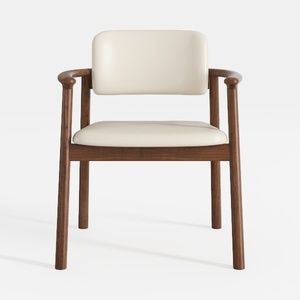
Minimalist Walnut Wood Faux Leather Upholstered Armchair 3D Model

Minimalist Fabric Upholstered Platform Bed with Bedding 3D Model
Looking to transform your space? Homestyler is your go-to online home design platform! Effortlessly create stunning interiors with its user-friendly design tool, explore a vast library of 3D renderings, and watch DIY video tutorials. Design your dream home today with Homestyler!
Design jetzt kostenlos
































