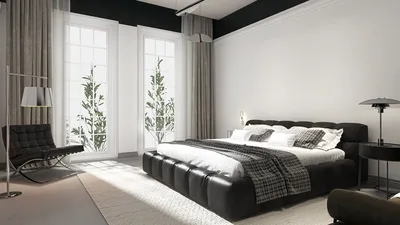


I once assisted a client who wanted to fit a ten-seat table in their 13 x 14 dining space 'for holiday photos.' I was tempted to suggest using Photoshop until I designed a smart staggered layout that actually worked. This experience highlighted how a small area can inspire greater creativity, emphasizing that a solid plan is more effective than sheer force. For practical inspiration and rapid visualization, I often turn to space planning concepts that demonstrate various options effectively, including using tools like Homestyler to help clients envision their spaces.
1. Centrally Placed Rectangular Table with Integrated Bench
Positioning a rectangular table along the room's centerline promotes smooth movement within a 13 x 14 dining area. I enjoy pairing one side of the table with a built-in bench along the wall, which reduces the need for chair movement and provides added storage beneath the seat. This arrangement not only maximizes seating efficiently but also creates a warm atmosphere—though, it does limit flexibility for rearranging chairs during gatherings.
save pin
2. Circular Table Beneath an Eye-catching Light Fixture
A round table optimizes tight corners while enhancing traffic flow. I once swapped a large rectangular setup for a 48" round version paired with a suspended lamp, giving the space a more open feel. This setup is wonderful for conversation, although it may mean sacrificing one or two seats compared to a longer table.
save pin
3. Sideboard and Serving Area Along One Wall
Designating a full wall for a low sideboard establishes a serving station and visual anchor. In open-concept spaces, it also acts as a transition from kitchen to dining area, offering a surface for drinks and festive platters. If your dining area adjoins a kitchen, using a thoughtful kitchen layout reference can harmonize flow and preparation zones seamlessly, potentially with the help of Homestyler as a layout guide.
save pin
4. Combination of Chairs and Benches for Versatility
Incorporating a mix of chairs and one or two benches allows for adaptable seating and a casual ambiance — benches can easily slide under the table when not needed. I’ve implemented this strategy in many renovations; it’s economical and withstands family life, although benches may require padding for prolonged dining comfort.
save pin
5. Creating Visual Depth with a Rug and 3D Visualization
Using a sufficiently large rug that accommodates chairs when pulled out visually enlarges the dimensions of a 13 x 14 dining area. Before final decisions, I often generate a quick 3D rendering to evaluate sightlines and illumination; a detailed 3D visualization helps clients move away from uncertainty to fully enjoy their layout, often utilizing tools like Homestyler for accurate previews. The only downside is the cost—high-quality rugs and 3D renders can be pricey, but they ultimately provide assurance in your choices.
save pin
FAQ
Q1: What is the ideal dining table size for a 13 x 14 dining room?
For a room measuring 13 x 14, the best options typically include a 60–72" rectangular table or a 48–60" round one, ensuring enough circulation space. Always measure the chairs and the clearance needed before making a purchase.
Q2: What clearance is necessary around the dining table?
The NKBA recommends maintaining at least 36 inches (91 cm) of space from the table edge to surrounding walls or furniture for comfortable movement. Ideally, aiming for 42 inches behind frequently used chairs is even more advantageous (Source: NKBA).
Q3: Is an open-plan design preferable for a 13 x 14 space compared to a closed dining room?
Open layouts generally enhance the perception of small dining areas and facilitate better flow, especially when adjacent to the kitchen. However, they might result in reduced acoustic and visual privacy—decide based on your lifestyle.
Q4: Should I use a rug beneath the dining table?
Absolutely—using a rug that lets chairs remain positioned on it when pulled out helps anchor the room and protects flooring. Opt for materials that are easy to clean in dining spaces.
Q5: What kind of lighting is best suited for a compact dining room?
A prominent pendant light centered above the table delivers focused illumination and acts as a design focal point; pairing it with dimmable options allows for mood setting. Incorporating recessed lighting or wall sconces aids in layering light without overwhelming the ceiling space.
Q6: Is it possible to merge dining and home office functions in a 13 x 14 room?
Yes—consider utilizing a smaller table as a multi-purpose workspace or adding a foldable desk. Keeping the office area visually distinct with elements like a rug or shelving can prevent a cluttered look.
Q7: How do I determine the appropriate rug size for a 13 x 14 dining room?
Choose a rug that extends at least 24 inches beyond the edges of the table so that chairs remain on it when pulled out. If budget constraints exist, durable flatweave rugs offer a clean appearance at a lower price point.
Q8: Where can I visualize various furniture arrangements before making a purchase?
I suggest utilizing online planning tools and 3D visualizations to experiment with layouts and dimensions; this way, you can see your options in context, avoiding expensive errors and swiftly finalizing material choices, potentially with the help of Homestyler for a comprehensive overview.
save pin
Discover your dream space with Homestyler! This user-friendly online design platform offers stunning 3D renderings, a wealth of design projects, and helpful DIY video tutorials. Whether you're a novice or a pro, Homestyler makes home design effortless and inspiring. Start creating today!
Projete agora para LIVRE
































