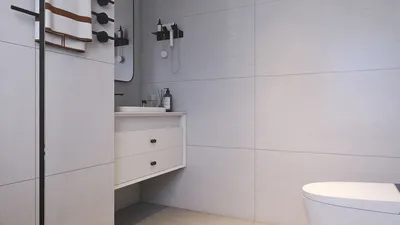


I have worked on designing spaces in apartments of less than 300 square feet, discovering that a vanity can be both space-efficient and incredibly charming. The primary objectives are to achieve a compact size, intelligent storage solutions, flattering lighting, and the use of materials that stand the test of time. Here are some strategies I like to implement with clients to transform awkward corners into soothing ritual spaces that inspire calmness, confidence, and organization.
Design Essentials: Proportion, Ergonomics, and Lighting
Considering height, knee clearance, and ergonomic seating is crucial, even in a compact 24-inch-wide vanity setup. A seated vanity surface is most effective when it measures between 28 to 30 inches high, with 24 inches of legroom and at least 18 inches of side-to-side space for easy mobility. The quality of light plays a significant role in both visual and mental comfort, as noted by the International WELL Building Institute; their WELL v2 guidelines recommend minimizing glare and ensuring ample illuminance for various tasks. According to the Illuminating Engineering Society, task lighting should ideally range between 500 to 1,000 lux for grooming activities, utilizing warm-neutral color temperatures of 2700–3500K to accurately represent skin tones (source: ies.org/standards and wellcertified.com).
When it comes to color psychology, using soft neutrals with warm undertones can alleviate stress and enhance focus, especially compared to vibrant hues. According to Verywell Mind's insights into color psychology, warm whites and muted greens contribute to a calming atmosphere, which is particularly beneficial during those rushed morning routines in smaller spaces.
Wall-Mounted Foldable Vanity
In situations where floor space is at a premium, a wall-mounted panel that can fold down into a compact desktop can be an excellent solution. I recommend using hidden hinges designed for daily activity and a torsion hinge to prevent slamming. The depth when closed should target around 3–5 inches, while the open depth should be approximately 12–16 inches. Pair this design with a low-profile stool that can be tucked underneath. For placement, make use of room layout tools such as Homestyler to visualize circulation effectively.
Mirror Strategy: Vertical and Side Lighting
A narrow vertical mirror measuring 12–16 inches in width and 30–36 inches in height can help visually elongate the wall. Surround the mirror with two slim sconces positioned at about eye level (60–65 inches from the floor) to reduce shadows. It’s best to choose dimmable fixtures that provide around 500–800 lux, with a color rendering index (CRI) of 90+ and a color temperature between 2700–3000K to flatter skin tones. Adding diffusers or prismatic lenses can minimize glare and ensure a soft, even light distribution.
Storage Alternatives: Vertical Pull-Outs
Rather than using deep drawers that can become stuck in close corners, I prefer to utilize vertical pull-out storage solutions that are 4 to 6 inches wide, featuring shallow shelves secured with elastic retainer cords. Frequently used items should be stored at chest height for accessibility, while bulkier items can fit nicely at knee level. Incorporating a magnetic strip inside the cabinet door aids in organizing smaller tools like tweezers and scissors. Utilizing soft-close glides can also help prevent vibration and maintain stability for items stored within.
Slide-Out Vanity from Closet Space
For those with closets close to natural light, integrating a slide-out shelf at a height of 28–30 inches along with a low-profile pivoting mirror from the side wall can be quite effective. Adding a cable grommet for hair tools and an outlet with a 20A circuit if you're situated in the US is advisable. A comfortable seat width of 16 to 18 inches ensures usability without invading hanging space. It’s wise to include a slim, quiet fan for ventilation to handle heat generated by hair tools.
Floating Shelf with Concealed Compartment
An effective design concept is a floating shelf that measures 6 to 8 inches in depth and includes a flip-top compartment for securely storing brushes, compact palettes, and daily skincare items. Opting for a matte finish can help minimize glare from overhead lights. Rounded front edges provide improved comfort when leaning in. Ensure the underside remains clear to allow for a tuck-away ottoman.
Multipurpose Design: Vanity by Day, Desk by Night
In micro studios, I frequently suggest a 30-inch-wide surface featuring a central flip mirror and power dock; when the mirror is closed, it resembles a tidy desktop. Effective cable management is essential; consider utilizing a rear channel and under-shelf tray. To adapt to a dynamically used space, using an interior layout planning tool like Homestyler can aid in simulating adjacency and circulation effectively.
Lighting Considerations: Color Temperature, CRI, and Glare
For grooming tasks, effective color rendering and shadow management are crucial. Stick to lighting within the 2700–3500K range, aiming for a CRI of 90 or higher. Frosted diffusers or fabric shades can soften harsh shadowing. Sole reliance on top-down lighting may create under-eye shadows, so integrating side lighting will help to achieve a balanced effect on the face. Be cautious with glossy finishes placed in direct beam paths to prevent distracting glare.
Materials Suitable for Small Spaces
Using compact-grade laminate or oiled hardwood offers the durability and easy maintenance required for small vanity spaces. It's essential to select water-resistant finishes, particularly near sinks. For hardware and pulls, brushed bronze or satin nickel can minimize the visibility of fingerprints. If eco-friendliness is a priority, utilizing FSC-certified plywood and low-VOC finishes helps maintain air quality, particularly in small, poorly ventilated environments.
Seating Solutions: Slim, Supportive, and Storable
A narrow stool with a seat width of 16–18 inches and a curved front edge helps to alleviate knee pressure. If standing is preferred, angling the mirror slightly and maintaining a surface height of 36 inches may be comfortable. For seated situations, employing a shallower cushion with firm foam can prevent slouching. If floor space is limited, consider a folding chair that can be hung on a hook.
Acoustic Comfort and a Calm Morning Atmosphere
Even compact homes can benefit from acoustic solutions. Incorporating a small rug or cork flooring beneath the vanity can diminish tool sounds and create a sense of order. Utilizing felt liners within compartments can reduce rattling and make it easier to grip items stored within.
Color Psychology: Crafting a Calming Palette
Soft neutral walls such as warm white or pale clay, combined with muted greens, can decrease stress levels and facilitate clear decision-making. It’s advisable to reserve bolder colors for accent pieces—such as a terracotta tray or deep green drawer handle—to avoid over-stimulating visuals in tightly designed areas.
Cabling, Heat Management, and Safety Considerations
Maintain a tidy workspace by keeping cords off the surface using a rear grommet and Velcro ties. A heat-resistant silicone mat is essential for managing curling irons. Installing an auto-off outlet strip or a smart plug on a timer can help mitigate risks. Ensure that GFCI protection is provided for any outlets located within 6 feet of a sink.
Micro-Zone Design Strategies
Establish a dedicated micro-zone for your vanity with a wall segment measuring 30–36 inches wide, a centered mirror, and light boundaries. It’s critical to ensure that adjacent pathways remain clear with at least 30 inches of space. If the area serves multiple functions, simulate traffic flows using a layout simulation tool such as Homestyler.
DIY Assembly Tips
Utilizing French cleats for wall-mounted installations allows for effective load distribution and simplifies leveling. Panels should be pre-finished prior to installation. For floating shelves, ensure you anchor into studs or use heavy-duty toggles rated for the combined weight of the shelf and items it will hold. Edges should be rounded over by at least 3 mm to reduce the risk of chipping.
Final Touches
In conclusion, a slim vase, a low-profile tray, and a lidded waste bin can maintain a tranquil surface appearance. Labeling narrow pull-outs can decrease searching time. A small, tilting magnifying mirror with 5x magnification, positioned away from direct sconce lighting, can provide precision without overwhelming the overall design.
Common Questions
Aim for a work surface height of 28–30 inches, paired with a stool seat measuring around 17–19 inches high. This design maintains neutral wrist angles and helps avoid shoulder hunching.
Target a lighting intensity of 500–800 lux at face level, with side sconces producing light at 2700–3000K and a CRI of 90+. This setup helps to reduce harsh shadows while rendering colors accurately.
Yes, provided you secure the installation into studs or utilize heavy-duty wall anchors designed to handle the total weight. Employing a French cleat can make both removal and leveling more straightforward.
A vertical mirror, sized at 12–16 inches wide and 30–36 inches high, will maintain a slim footprint while allowing for full face visibility during use.
Utilize shallow vertical pull-outs, a magnetic strip for small tools, and a lidded tray for daily items; keeping backups in a separate bin helps avoid overcrowding.
Compact-grade laminate, oiled hardwood, or FSC-certified plywood with low VOC finishes are ideal for managing everyday wear while being easy to clean.
Opt for warm-neutral light ranging from 2700–3500K with a high CRI. Extremely cool lighting can diminish skin tone, while overly warm lighting may distort color perception.
Incorporate a flip-top mirror in a desk that is 30 inches wide, ensure cable management channels, and use dimmable task lighting. Closing the mirror during working hours can reduce visual noise in the space.
Keep a minimum of 30 inches of clear space in front for comfortable movement. If doors are nearby, confirm they won’t interfere with the vanity zone.
Ensure a rear grommet is installed, along with Velcro ties, and provide a silicone mat on the surface. Consider using a smart plug with a timer for auto-off safety features.
Utilizing a small rug, cork flooring, and felt drawer liners can significantly diminish noise from tools, fostering a calmer morning routine.
Absolutely—high CRI fixtures (90+) greatly enhance color accuracy for skin and makeup as compared to lower-CRI lighting options.
Discover the ease of home design with Homestyler! This user-friendly online platform offers a powerful design tool, stunning 3D renderings, and a wealth of design projects and DIY video tutorials. Perfect for anyone looking to transform their space effortlessly!
Desain sekarang Gratis
































