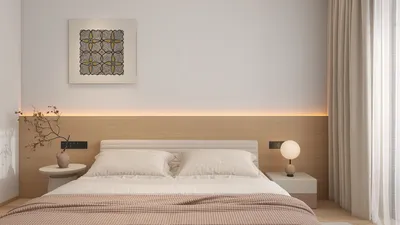


I once had a client who firmly believed their bed should face the window to “wake up with the sunrise,” only to complain about the bothersome glare every morning. This experience taught me the importance of careful planning regarding orientation and the value of blackout options. In compact studios, an intelligent layout can preserve sanity, which is why I often suggest space-saving designs right from the initial sketch phase. Here, I will share five practical strategies that I adopt in my projects to transform tight corners into calming retreats, especially with the help of tools like Homestyler for visual planning.
1. Elevate the Bed: Consider a Loft or Platform
By raising the bed, you can create hidden storage or a cozy lounge area beneath, mimicking the effect of adding a second floor without any construction. This is especially advantageous for renters when using modular platforms, but make sure to check the ceiling height beforehand to ensure there’s adequate headroom above the mattress.
save pin
2. Implement Sliding or Curtain Partitions
Utilizing sliding doors or heavy drapes offers separation without the floor space consumption of swinging doors. I once arranged a plush velvet curtain to delineate a bedroom area, creating a feeling of luxury; however, the downside is slightly reduced sound insulation compared to more solid walls.
save pin
3. Design a Multi-Functional Wall
A wall unit combining storage, a fold-down desk, and lighting keeps essentials accessible while maintaining clear surfaces. For cost-conscious clients, I often design built-in elements featuring open shelves alongside a few closed cabinets; this approach is economical yet gives a custom look. To quickly test proportions, I like to use visualization tools, like Homestyler, that allow clients to see just how much space remains open.
save pin
4. Opt for a Streamlined Nightstand Solution
In small studios, a compact shelf, a wall-mounted sconce, or an organizer is a better choice than bulky nightstands. This minor adjustment can provide immediate visual relief, although some individuals may need persuading to forgo drawers. I usually recommend a slim rolling cart as a middle ground.
save pin
5. Incorporate Layered Lighting and Mirrors
Effective lighting can make a snug bedroom appear more spacious and adaptable for various tasks. Mirrors not only reflect daylight but also extend sightlines; I have successfully placed a tall mirror behind a narrow dresser to create a significant impact. If your studio includes a nearby kitchenette, consider how a mirror can enhance the workflow sightline without giving the impression of a cluttered mirror maze.
save pin
FAQ
Q1: What colors are ideal for a studio bedroom?
A: Light, warm neutrals or subdued pastels can help small bedrooms feel more spacious. Limit accent colors to textiles or artwork to maintain a tranquil ambiance.
Q2: Is it possible to give a studio bedroom a sense of privacy without building walls?
A: Absolutely — employing rugs, strategic lighting, and furniture arrangements can define the sleeping area. Adding curtains or sliding panels can offer privacy while remaining flexible.
Q3: How much storage should I expect under a raised bed?
A: Prepare for seasonal storage in addition to daily use items; drawers or bins that glide out are most practical. Always measure to avoid awkward gaps or unusable spaces.
Q4: Are loft beds safe to use in older buildings?
A: Loft beds are safe when constructed according to codes and properly anchored; make sure to check local regulations and ceiling height before proceeding. If uncertain, a professional installer can ensure safety.
Q5: What mattress size is advisable for a studio?
A: Select the largest mattress that allows freedom of movement around the bed. For many studios, a full or small queen strikes a balance between comfort and mobility. Don’t forget to measure doorway widths to confirm the mattress can be delivered without issues.
Q6: How can I minimize noise in a studio bedroom?
A: Utilize soft furnishings, rugs, and acoustic panels to absorb sound. Sealing window gaps and adding heavy curtains can help control both noise and light.
Q7: Is it preferable to have an open-plan or partitioned studio bedroom?
A: Open plans can feel more spacious, while partitions provide privacy; the choice should reflect your lifestyle — those who enjoy entertaining may favor openness, while remote workers might lean towards separation.
Q8: Are the lighting suggestions supported by research?
A: Yes — the National Sleep Foundation indicates that warm, dim lighting in the evening supports healthier sleep patterns, so layering lights and incorporating dimmers where possible is advisable (Source: National Sleep Foundation).
Discover your home’s potential with Homestyler! This user-friendly platform offers an exceptional online design tool, stunning 3D renderings, and a wealth of design projects. Plus, with DIY video tutorials at your fingertips, transforming your space has never been easier or more inspiring!
立即免费设计
































